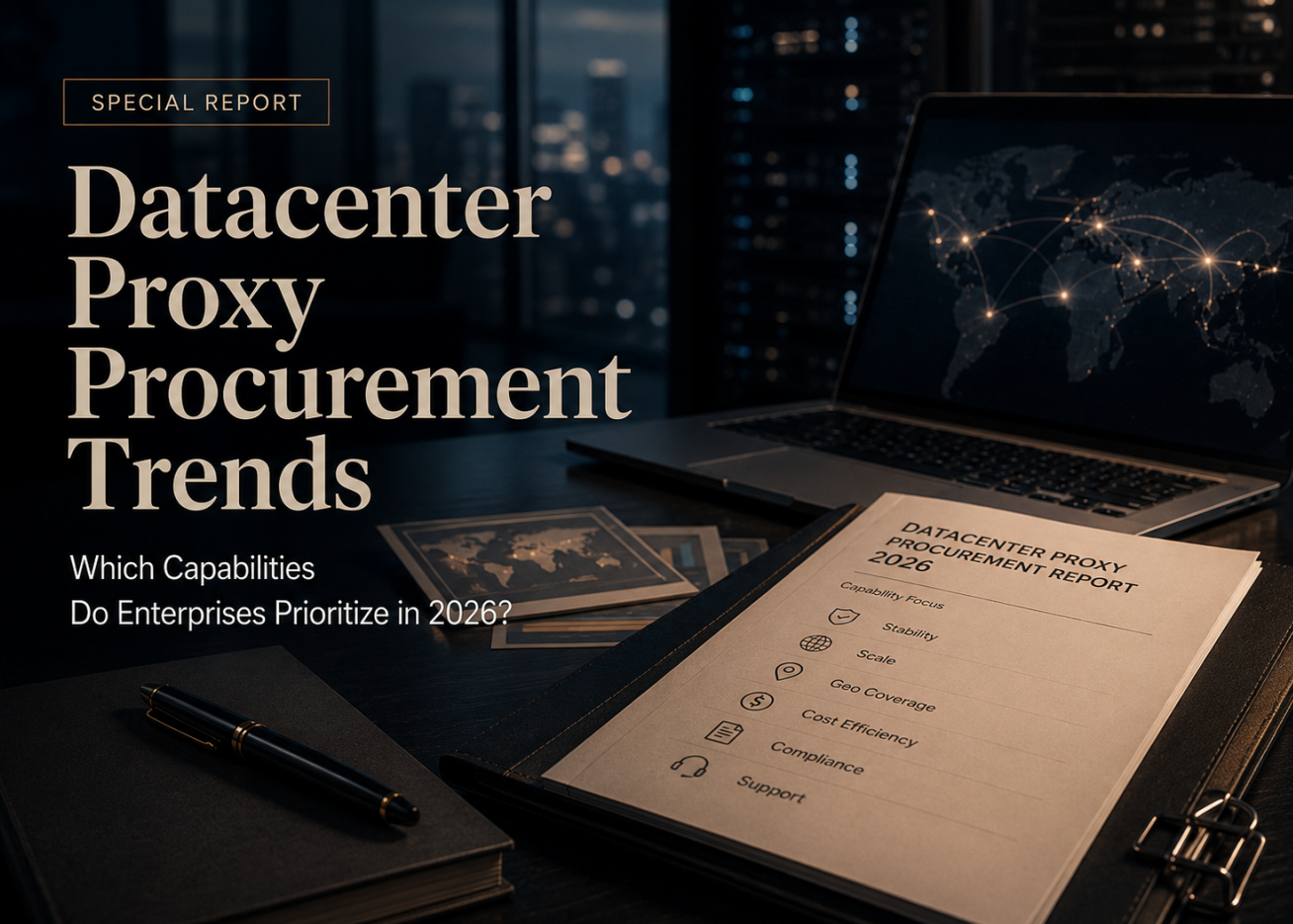
How 2026 datacenter proxy procurement is shifting from spec sheets to four capability dimensions: business isolation, compliance credentials, verifiable SLAs, and cost-structure transparency.
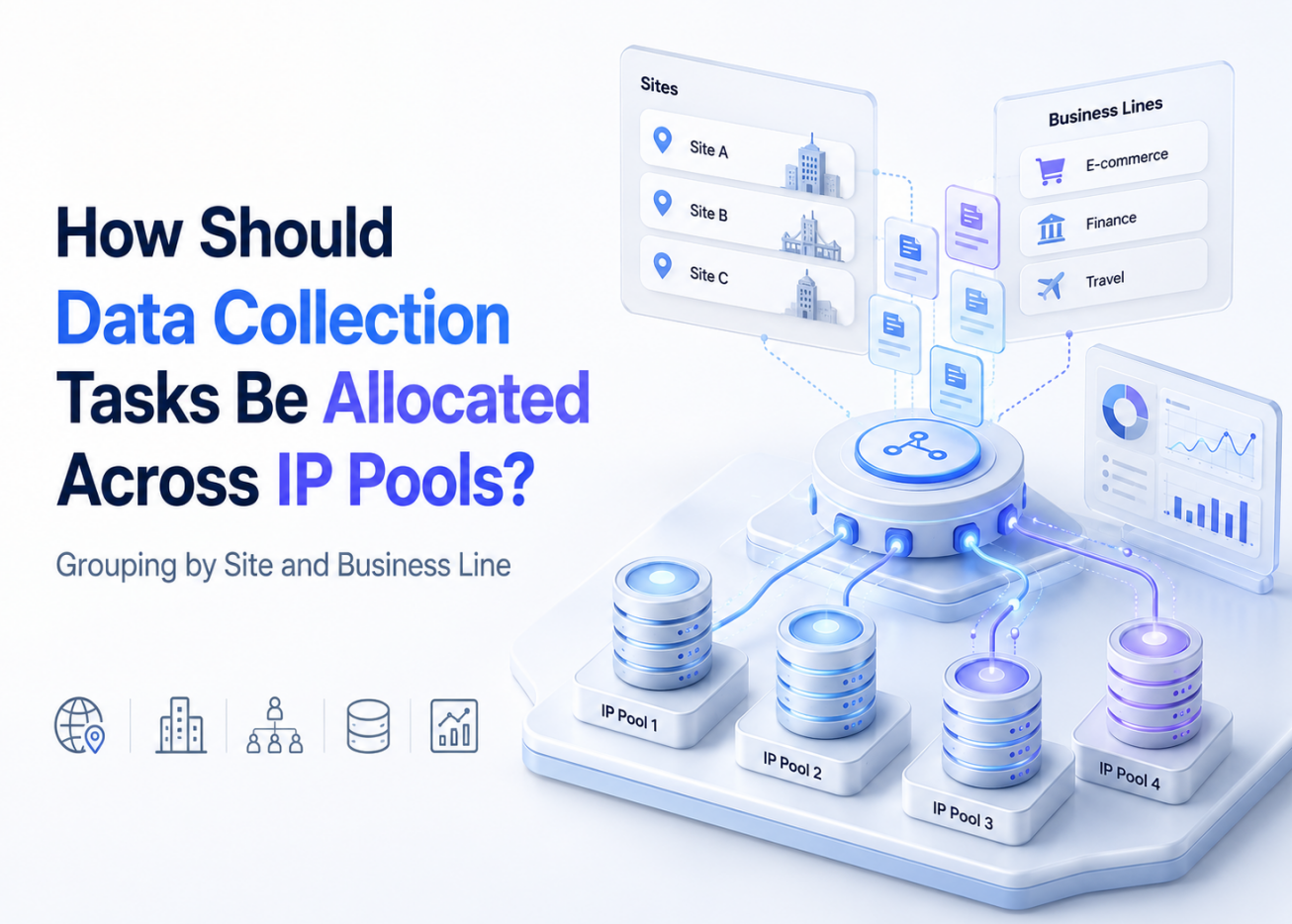
Group IP pools along two dimensions—target site and business line—to prevent cross-contamination when running multiple data collection tasks in parallel.
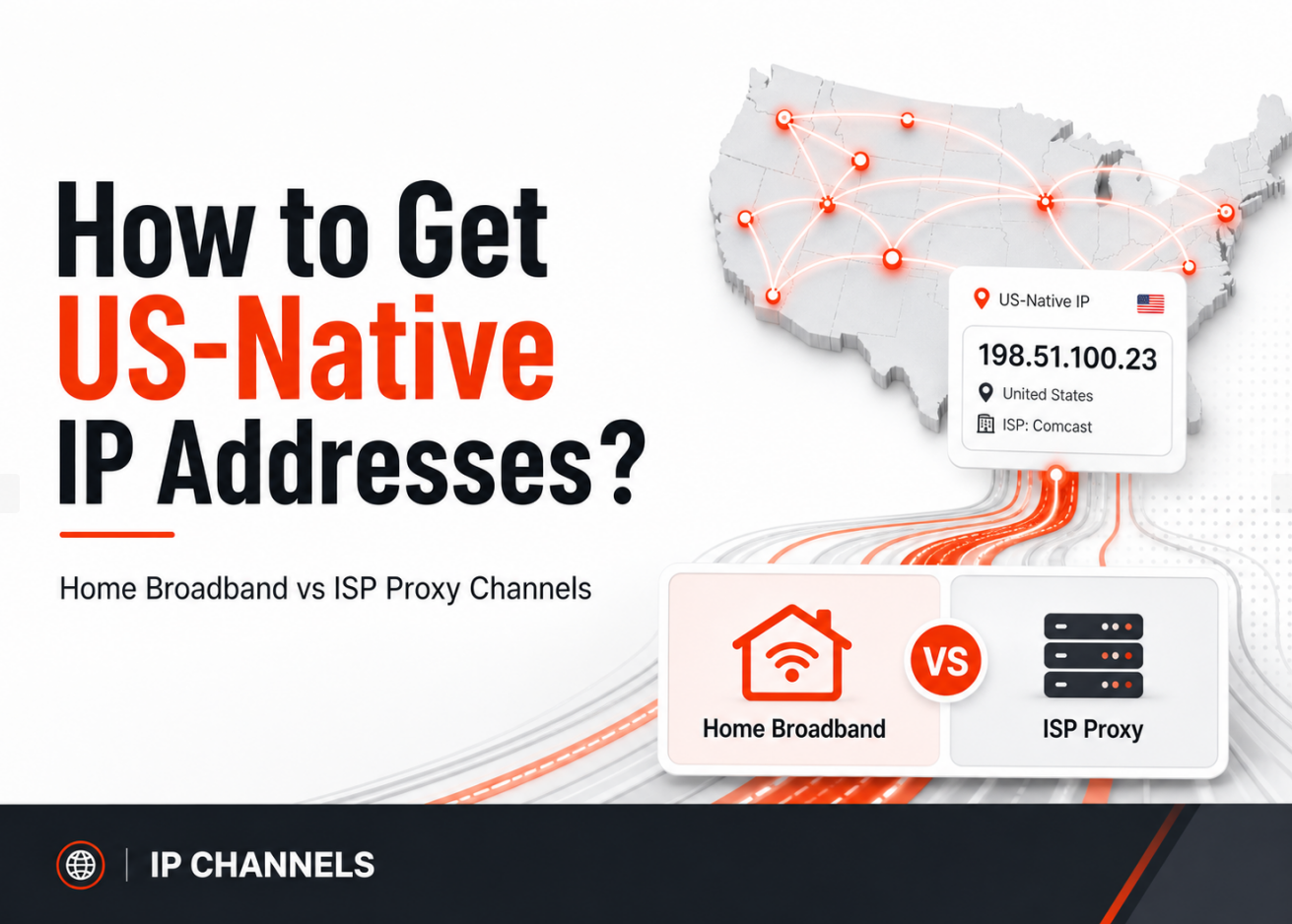
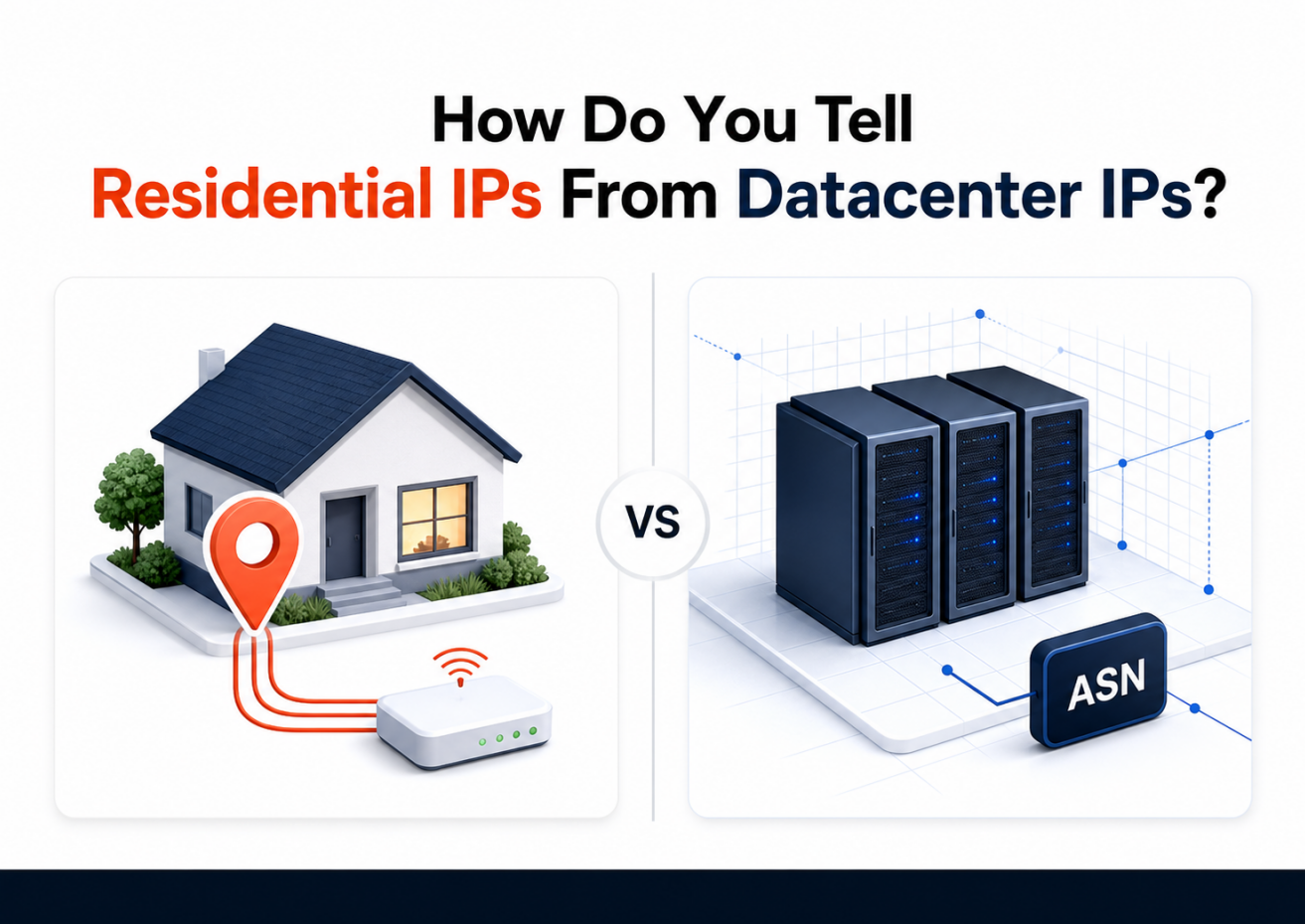
How to distinguish residential IPs from datacenter IPs using ASN lookup and IP reputation databases—with a hands-on tool list and scenario-based selection guidance.
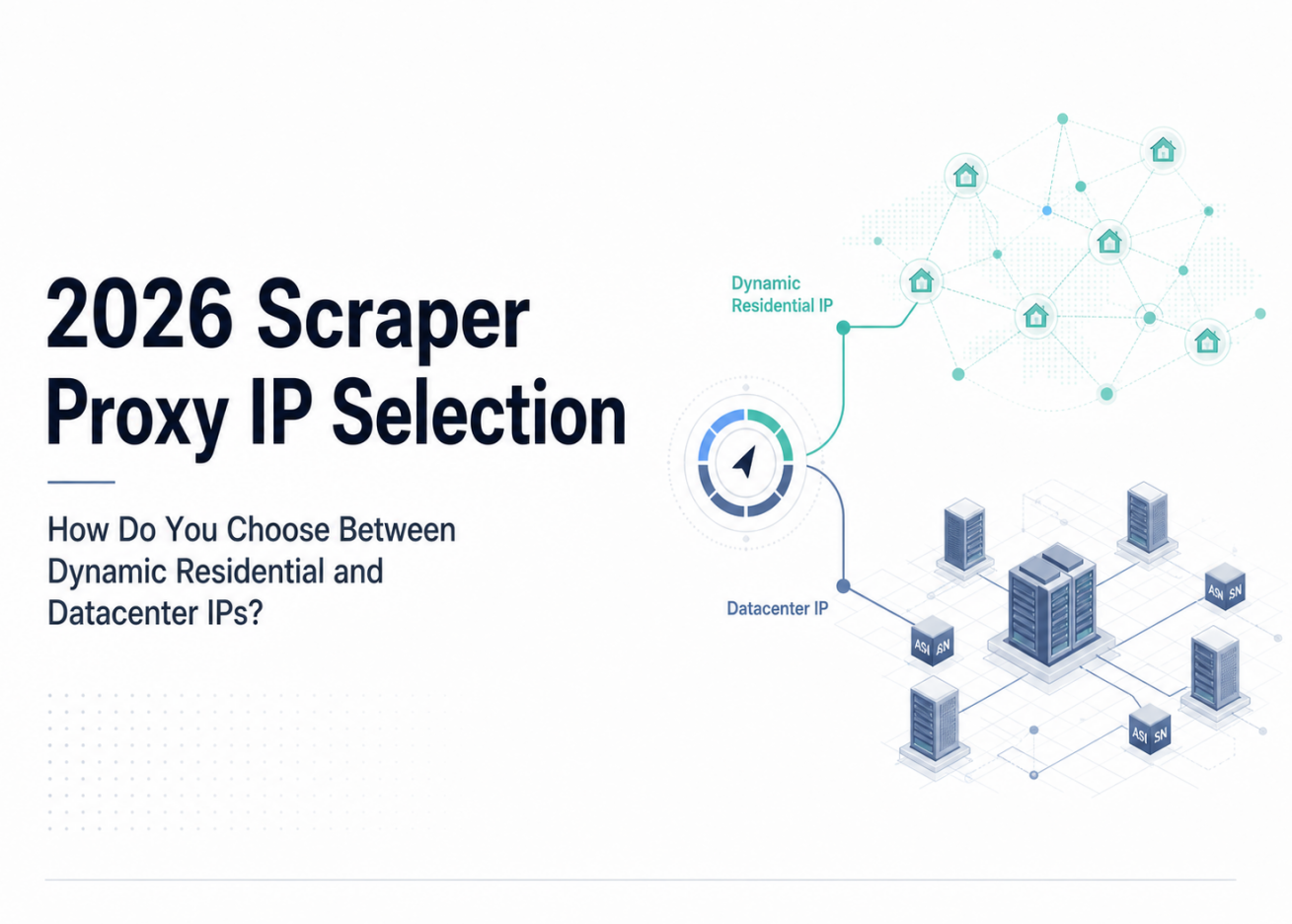
How to choose between dynamic residential and datacenter proxies for scraping—scenario-fit analysis across four dimensions, plus a hybrid architecture that cuts cost 60-70%.
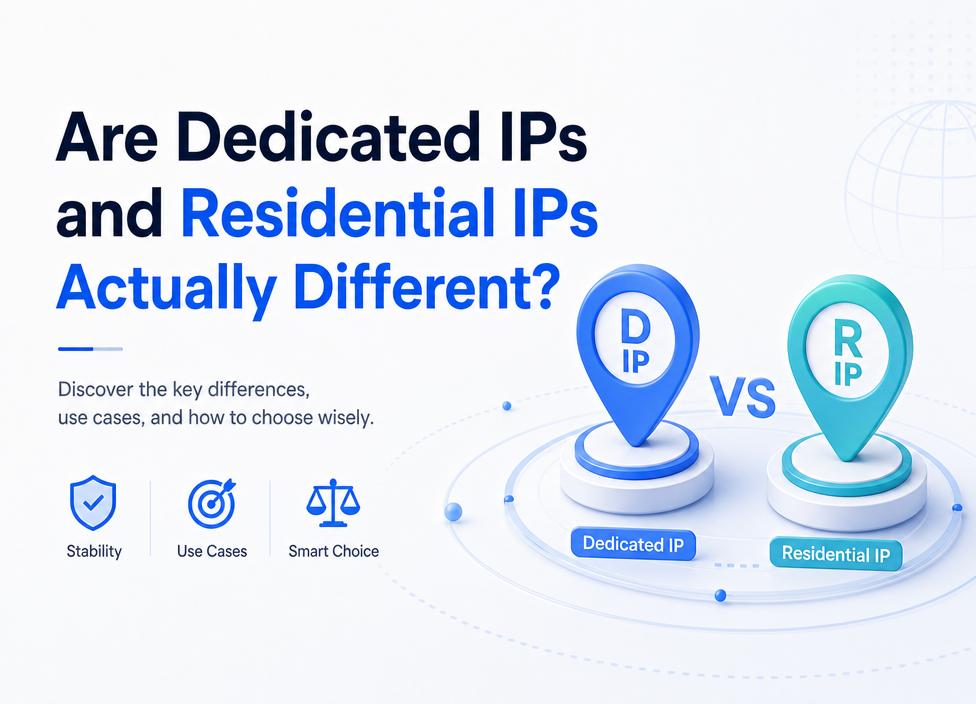
Dedicated and residential IPs describe two different dimensions—understand the four cross-combinations, scenario fit, and how impure IPs cause silent scraping failures.
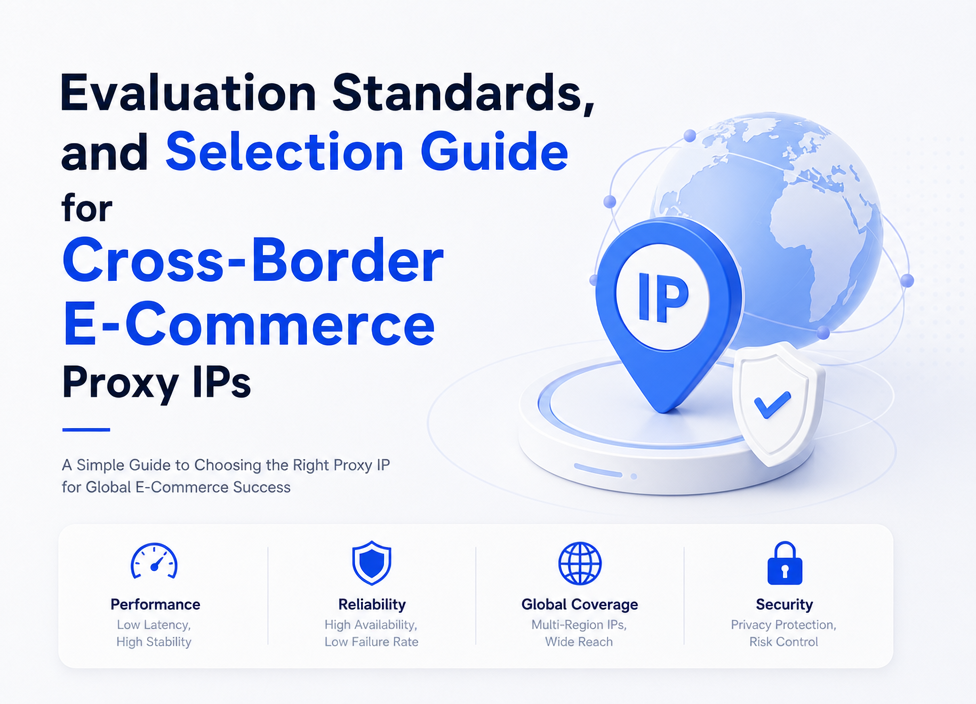
A five-dimension testing methodology for cross-border e-commerce proxy IPs—covering connectivity, latency, geographic precision, protocol compatibility, and stability, with a scenario-weighted selection framework.
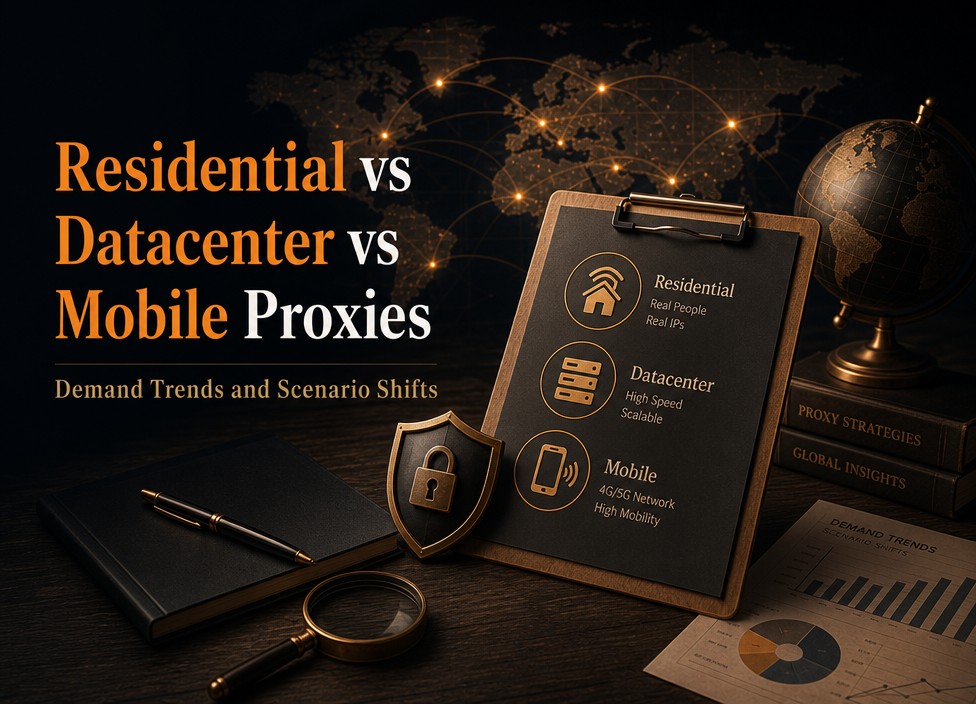
Residential IP demand keeps rising on compliance and access-isolation needs; datacenter IPs remain essential for throughput; mobile IPs are shifting from edge use to mainstream.
Overseas proxy IP selection has evolved from three simple criteria to 8–10 decision variables spanning IP subtypes, protocols, billing models, regional compliance, and ASN purity.