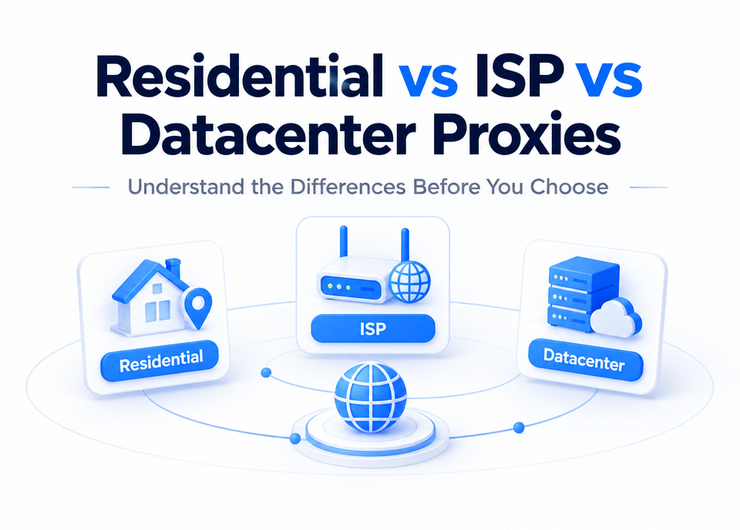
Short-lived, tunnel, and long-lived proxies do not have a universal priority order. Short-lived proxies suit bulk short requests, tunnel proxies suit continuous access and unified endpoints, and long-lived proxies suit fixed exits and ongoing tasks.
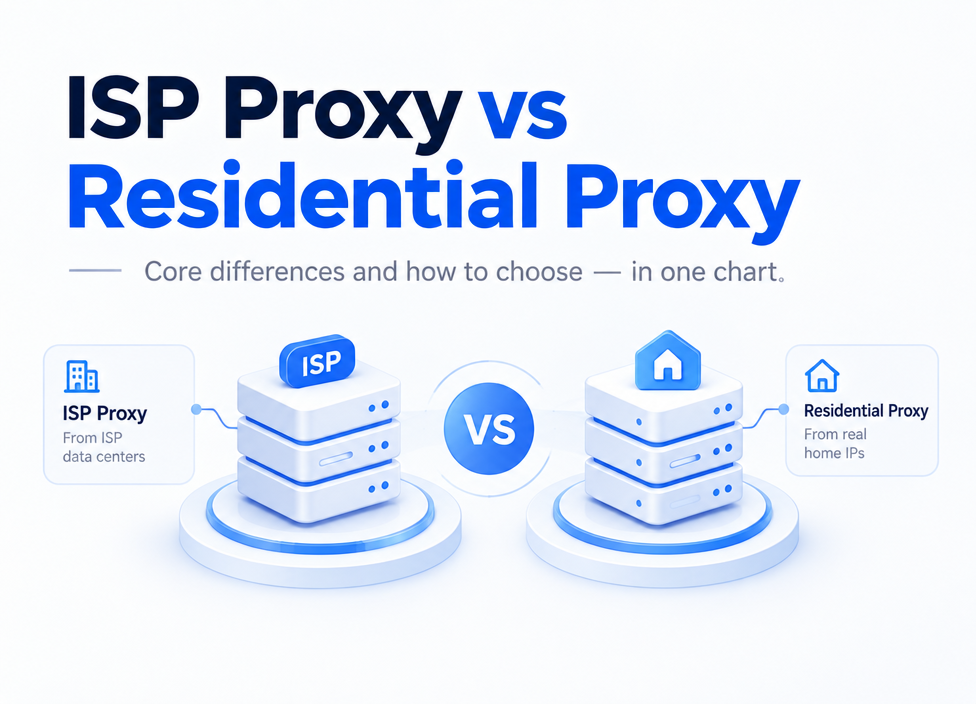
ISP proxies emphasize fixed exits, stable connections, and carrier network attribution. Residential proxies emphasize IPs from real home or access networks. Choose by task requirements.
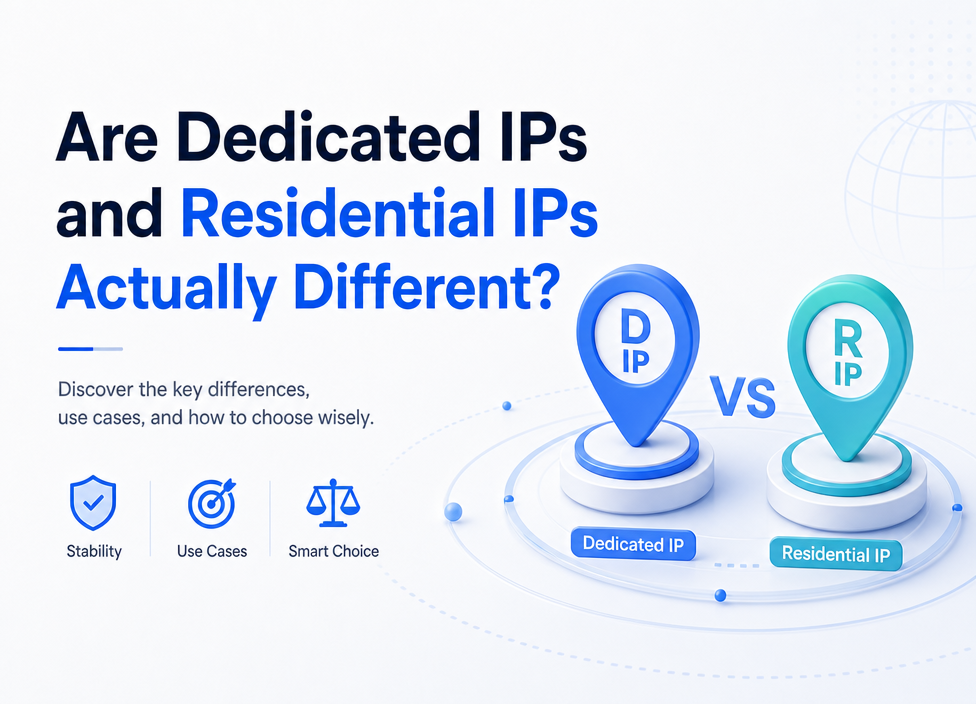
Dedicated and residential IPs describe two different dimensions—understand the four cross-combinations, scenario fit, and how impure IPs cause silent scraping failures.
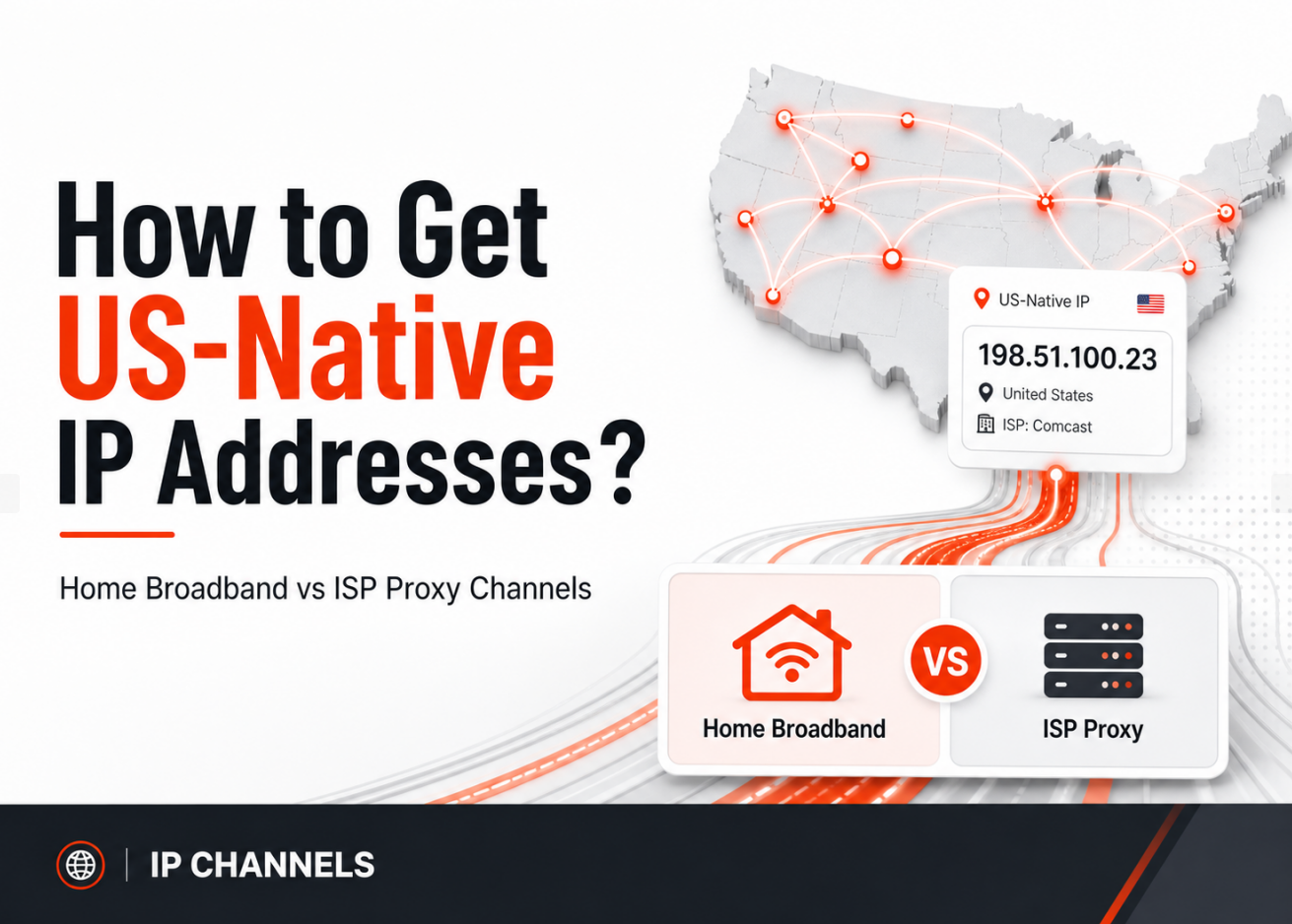
Three criteria defining the top purity tier for native static residential IPs—direct ISP issuance, AS-geo consistency, and cross-database residential tagging—with a five-tier hierarchy for benchmarking.
How 2026 datacenter proxy procurement is shifting from spec sheets to four capability dimensions: business isolation, compliance credentials, verifiable SLAs, and cost-structure transparency.
Use Cases2026/07/08 49 Likes 0 Comments 1075 Views
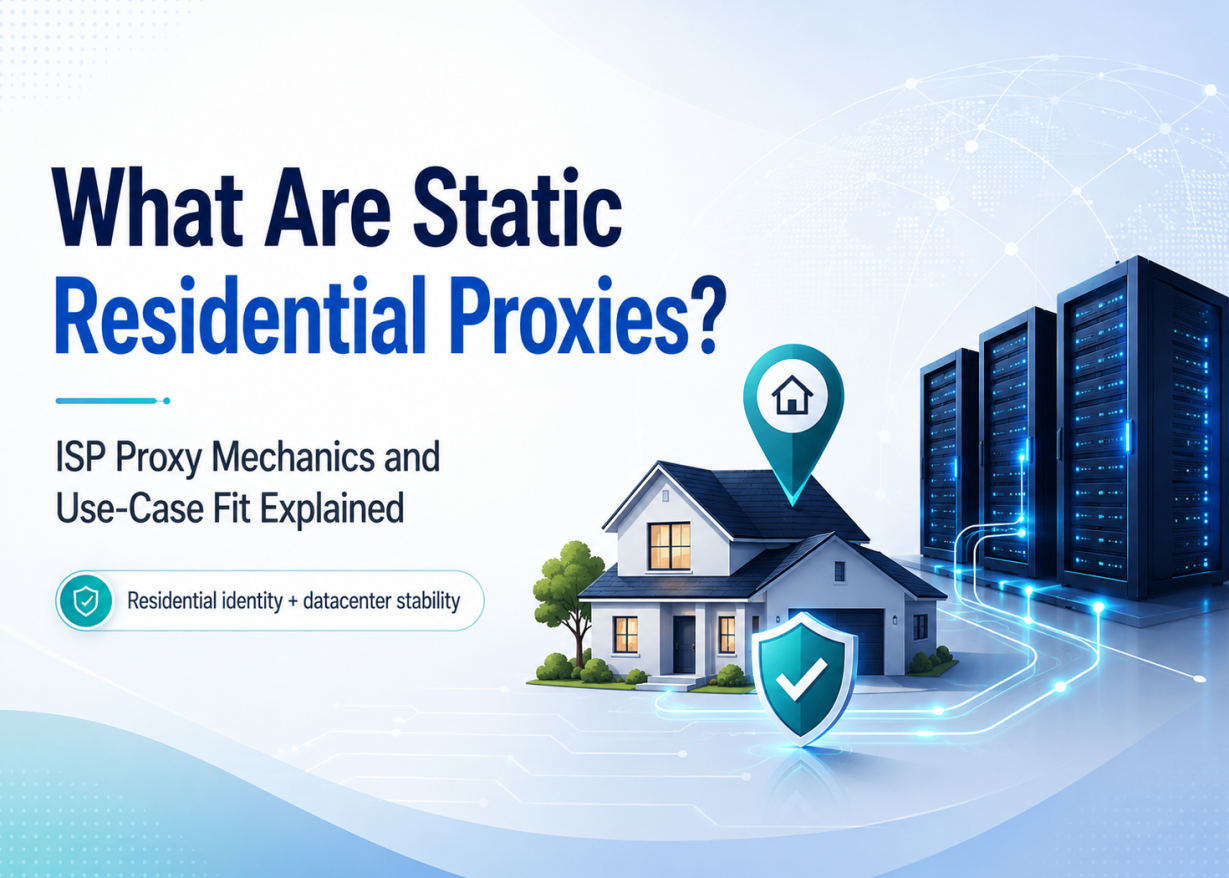
Static residential proxies hold the same IP long-term while keeping a residential identity — combining the access environment of a home user with datacenter stability.
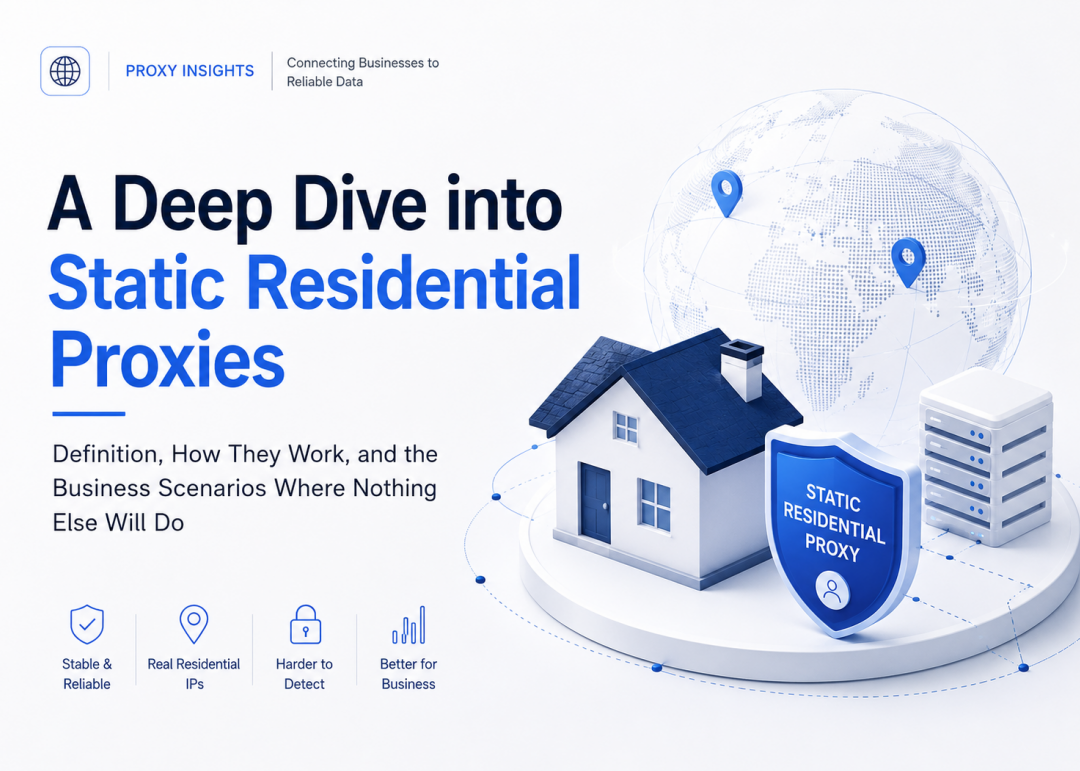
Static residential proxies combine real-ISP authenticity with month-long IP stability — irreplaceable for long sessions, audit-traceable queries, and platforms that block datacenter IPs.