The 2026 proxy market is shifting focus from node count and low pricing to source compliance, IP quality, session stability, geo precision, and auditable service.
AI scraping is turning proxies from interchangeable IP capacity into a managed data-access layer. Future products will be judged by usable-data yield, session consistency, geographic accuracy, compliance controls, and cost per verified record.
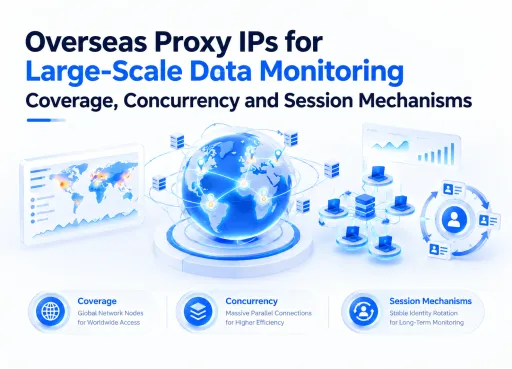
Selecting an overseas dynamic IP provider isn't about IP pool size — it's about matching pool type and access mode to your scenario. This guide walks through super pool vs. residential pool, short-lived vs.
A scenario-based comparison of 7 emerging overseas residential proxy providers across four mechanism dimensions — integration mode, protocol coverage, billing model, and compliance credentials
When overseas proxy connections, authentication, or plans fail, operational continuity often depends less on pool size than actionable support. This article compares six platforms across language, response, escalation, and billing.
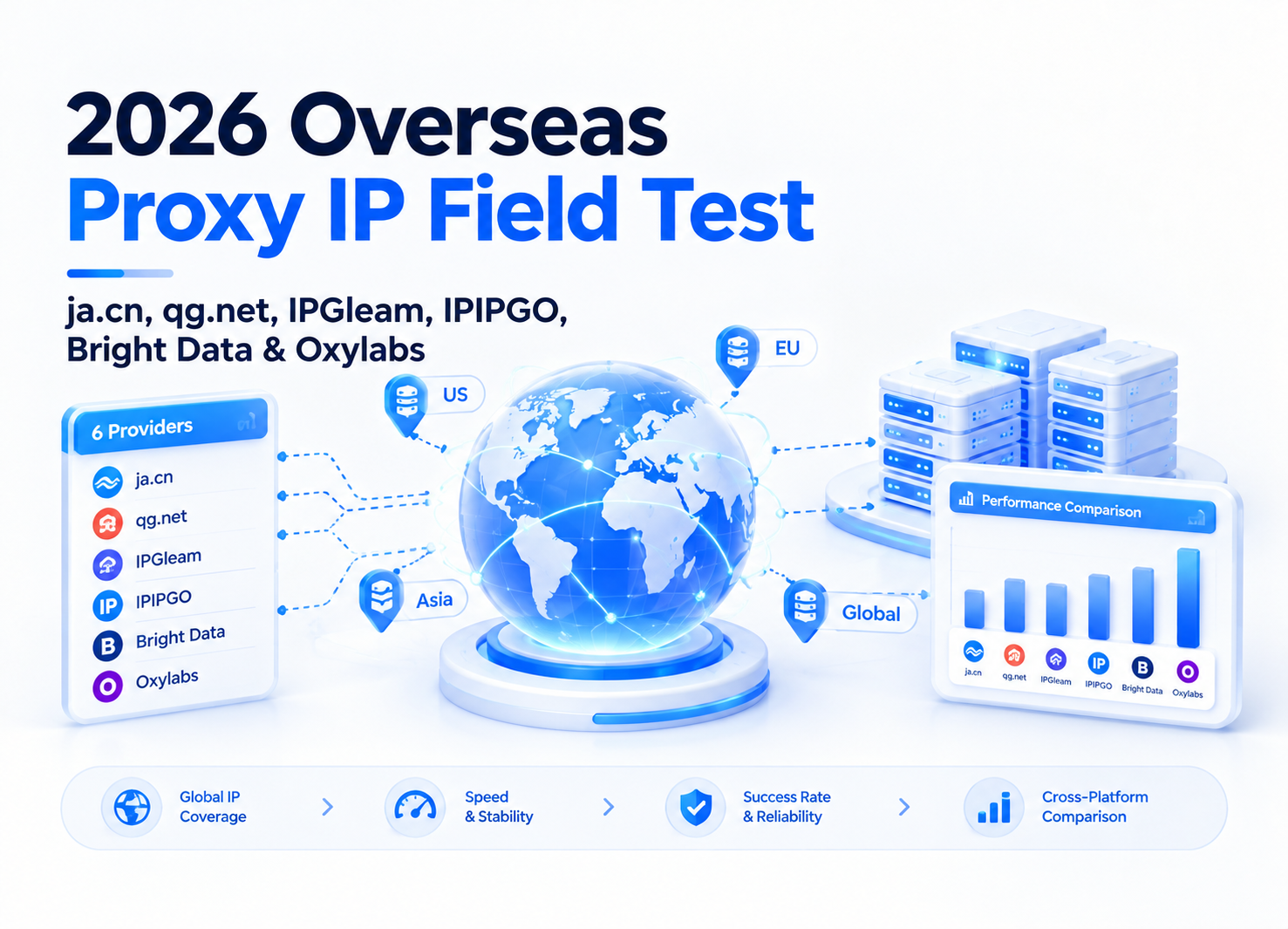
This 2026 comparison evaluates ja.cn, qg.net, IPGleam, IPIPGO, Bright Data, and Oxylabs across published success signals, residential IP scale, geographic coverage, rotation mechanisms, and operating boundaries.
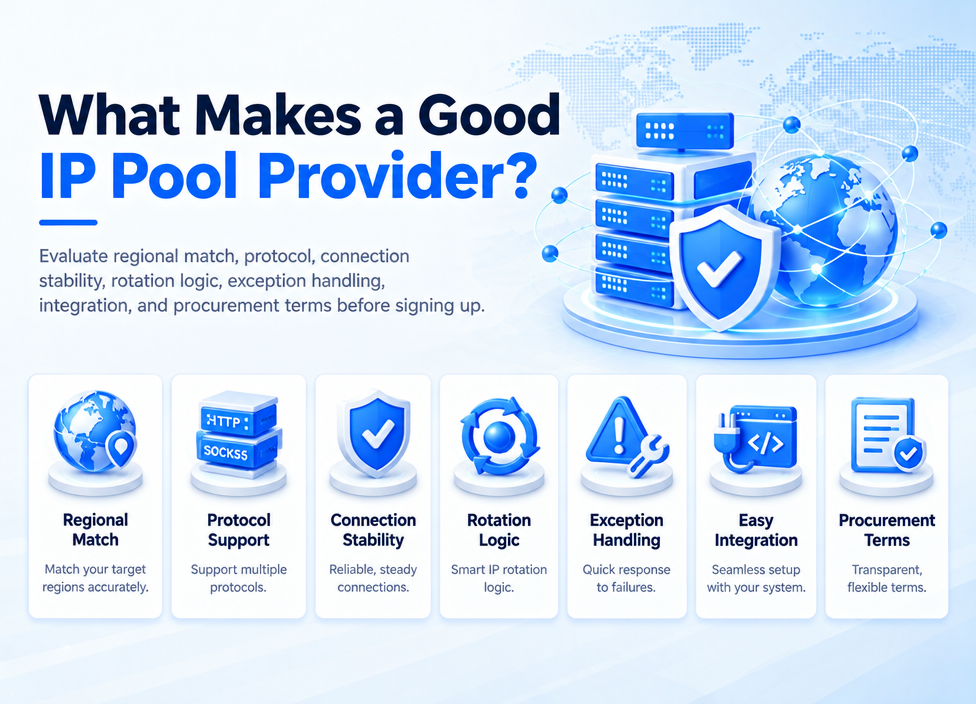
A good IP pool isn't just about resource scale. Evaluate regional match, protocol, connection stability, rotation logic, exception handling, integration, and procurement terms before signing up.
HTTP proxy platforms have no universal answer. Domestic tasks focus on credentials, business pooling, protocols, and sustained requests; overseas tasks also weigh residential resources, regional coverage, sessions, and settlement.
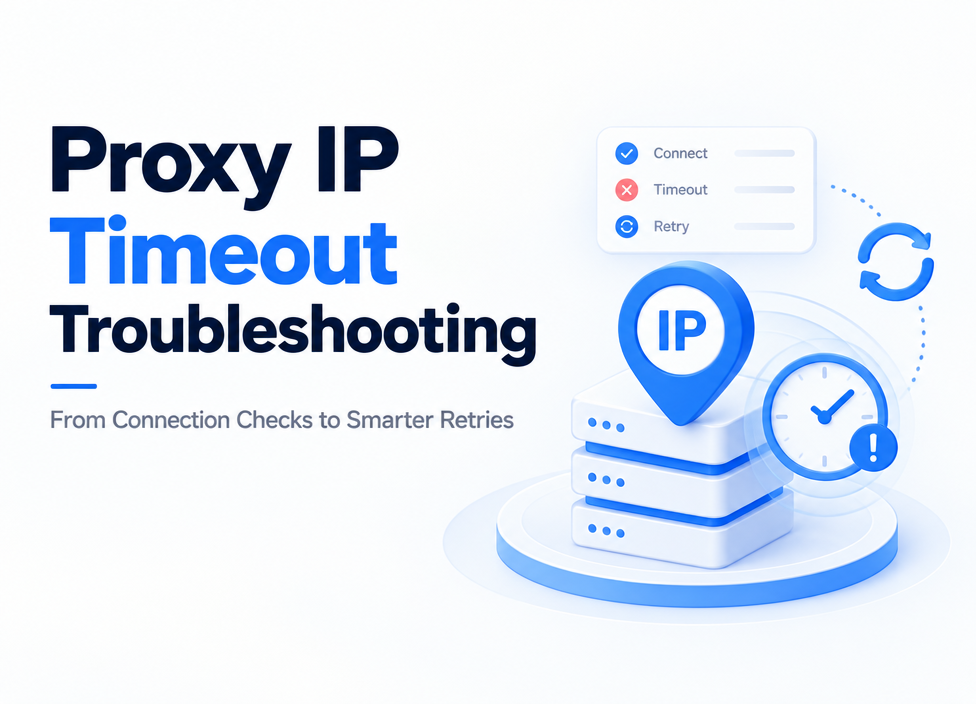
Proxy IP request timeouts are usually related to an unreachable proxy, incorrect protocol or authentication settings, slow target responses, oversized requests, or excessive concurrency.