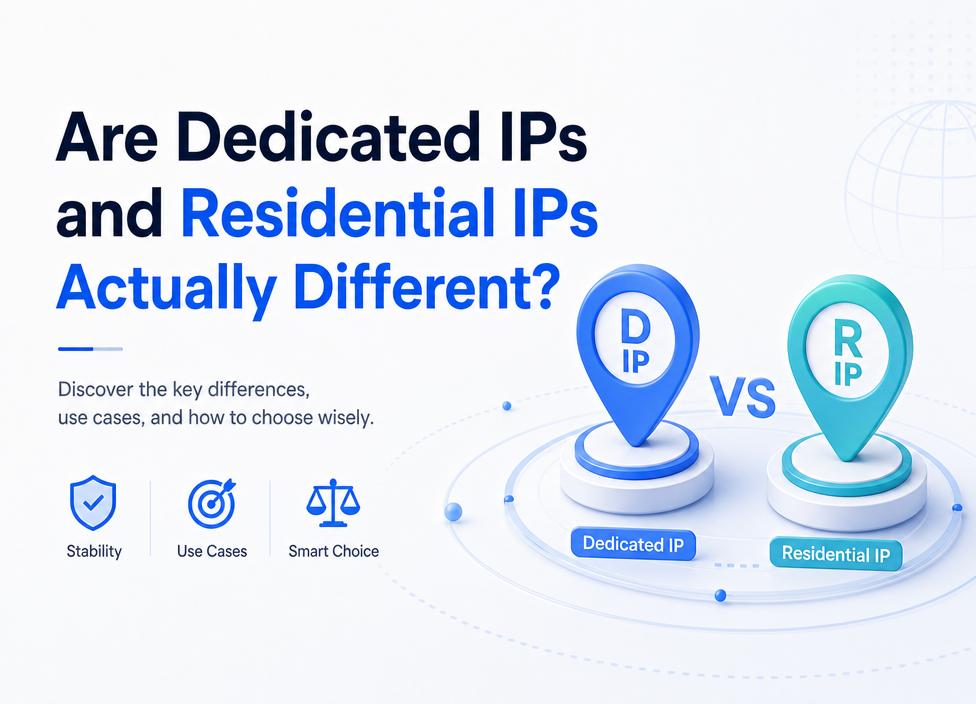
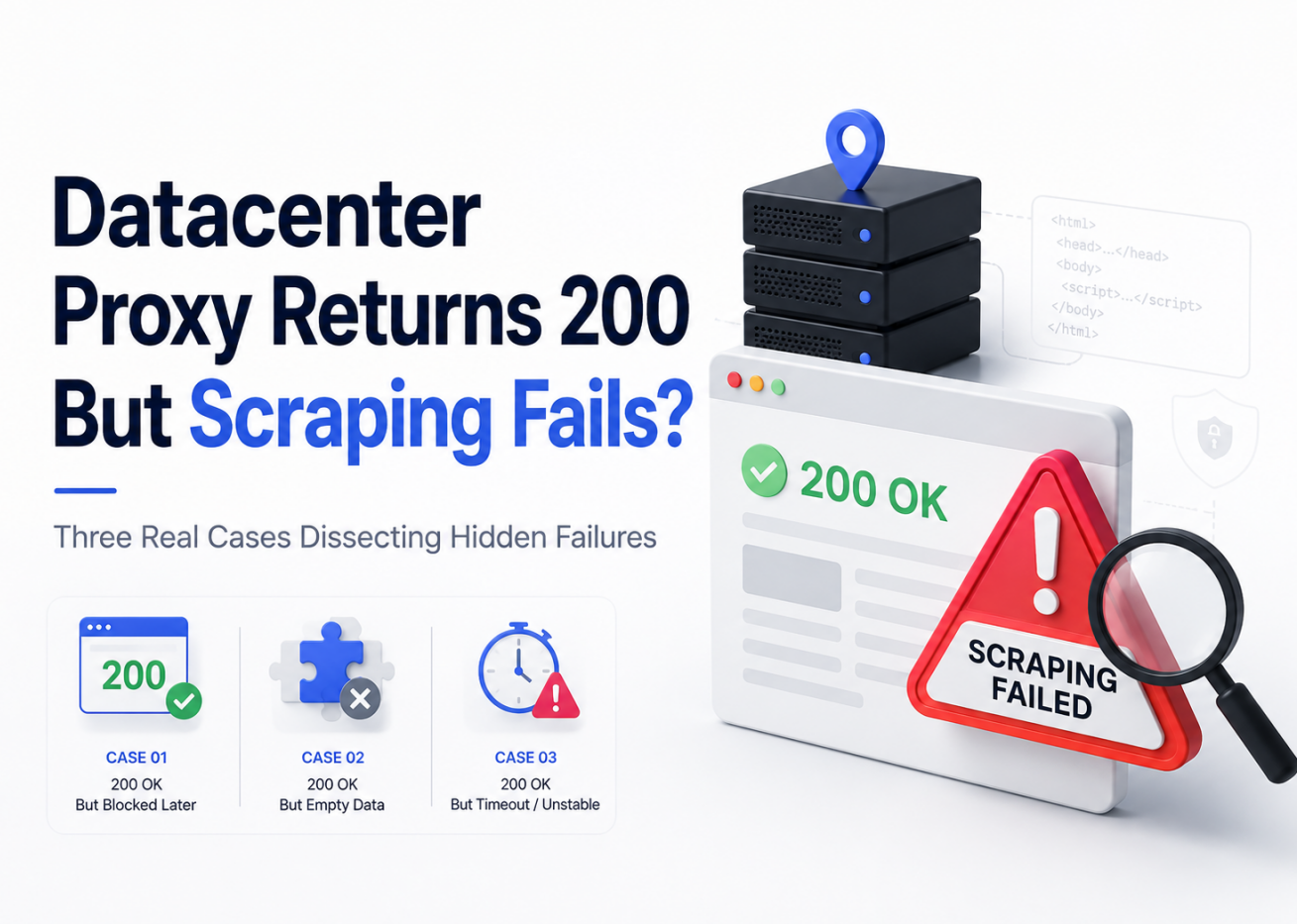
Dedicated and residential IPs describe two different dimensions—understand the four cross-combinations, scenario fit, and how impure IPs cause silent scraping failures.
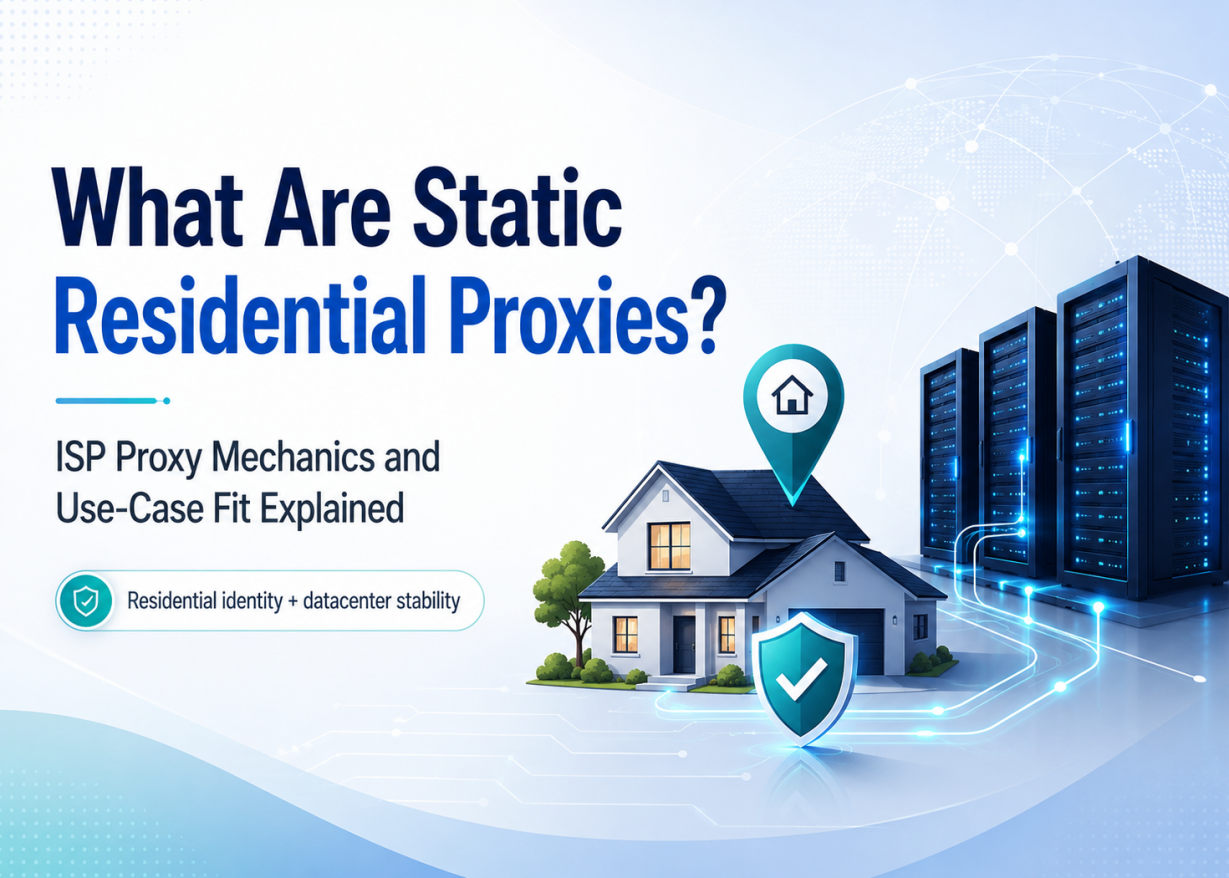
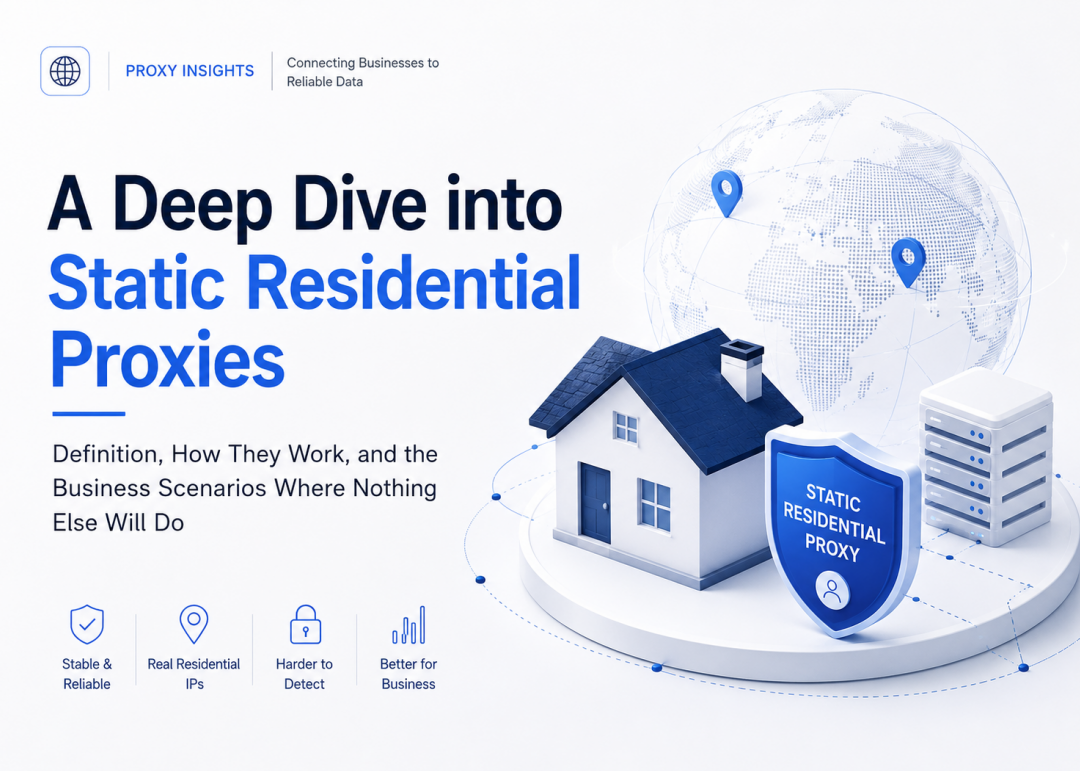
Static residential proxies hold the same IP long-term while keeping a residential identity — combining the access environment of a home user with datacenter stability.
Real-test baselines for overseas proxy IPs — scale tiers, availability gaps versus vendor claims, cleanliness scoring methods, and a 3–5 day sampling plan for vendor selection.
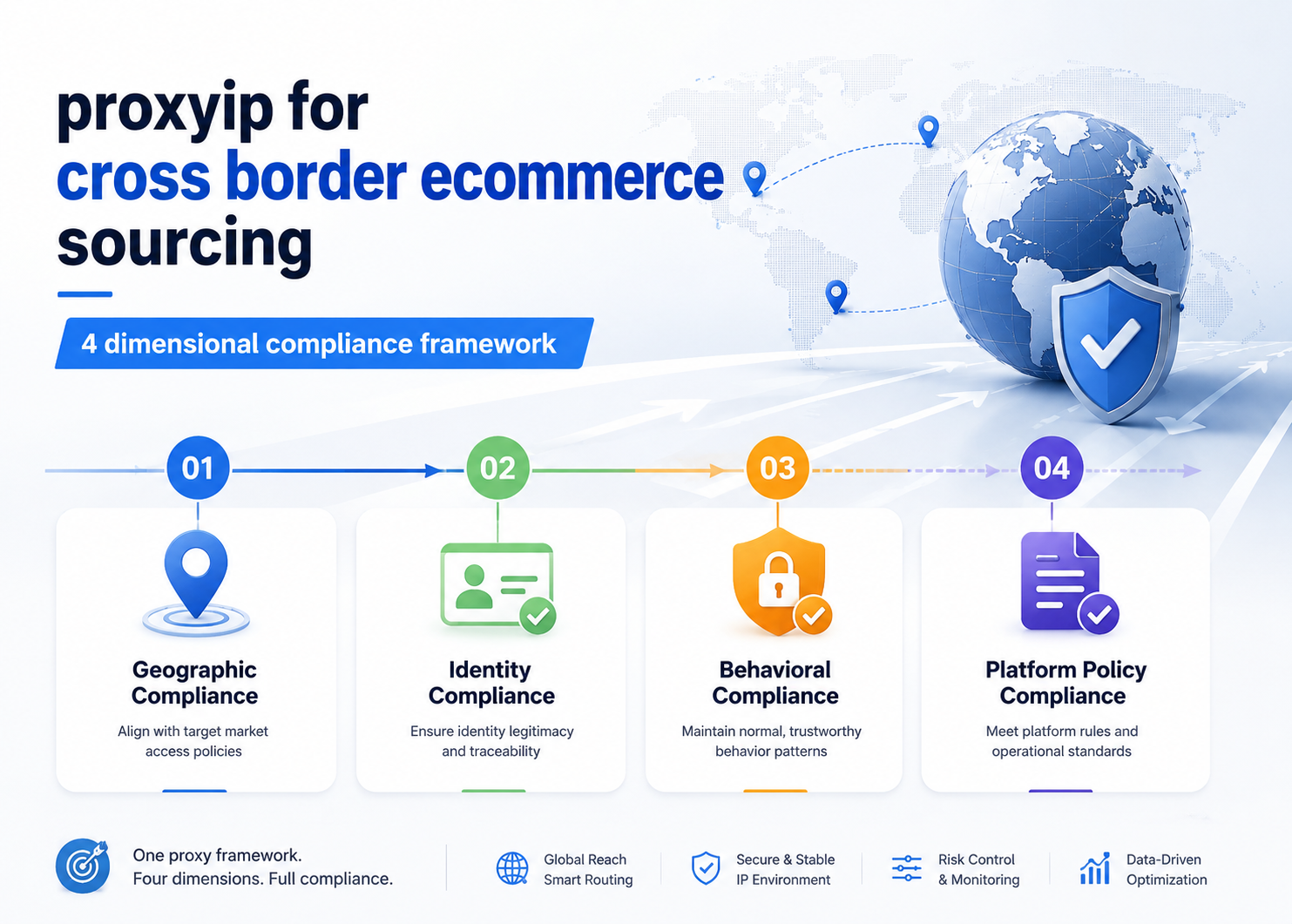
The overseas proxy IP market is shifting fast — from IP pool size to compliance fit, scenario tiering, and AI pipeline integration. Here are four trends reshaping how cross-border businesses should approach proxy IP selection in 2026.
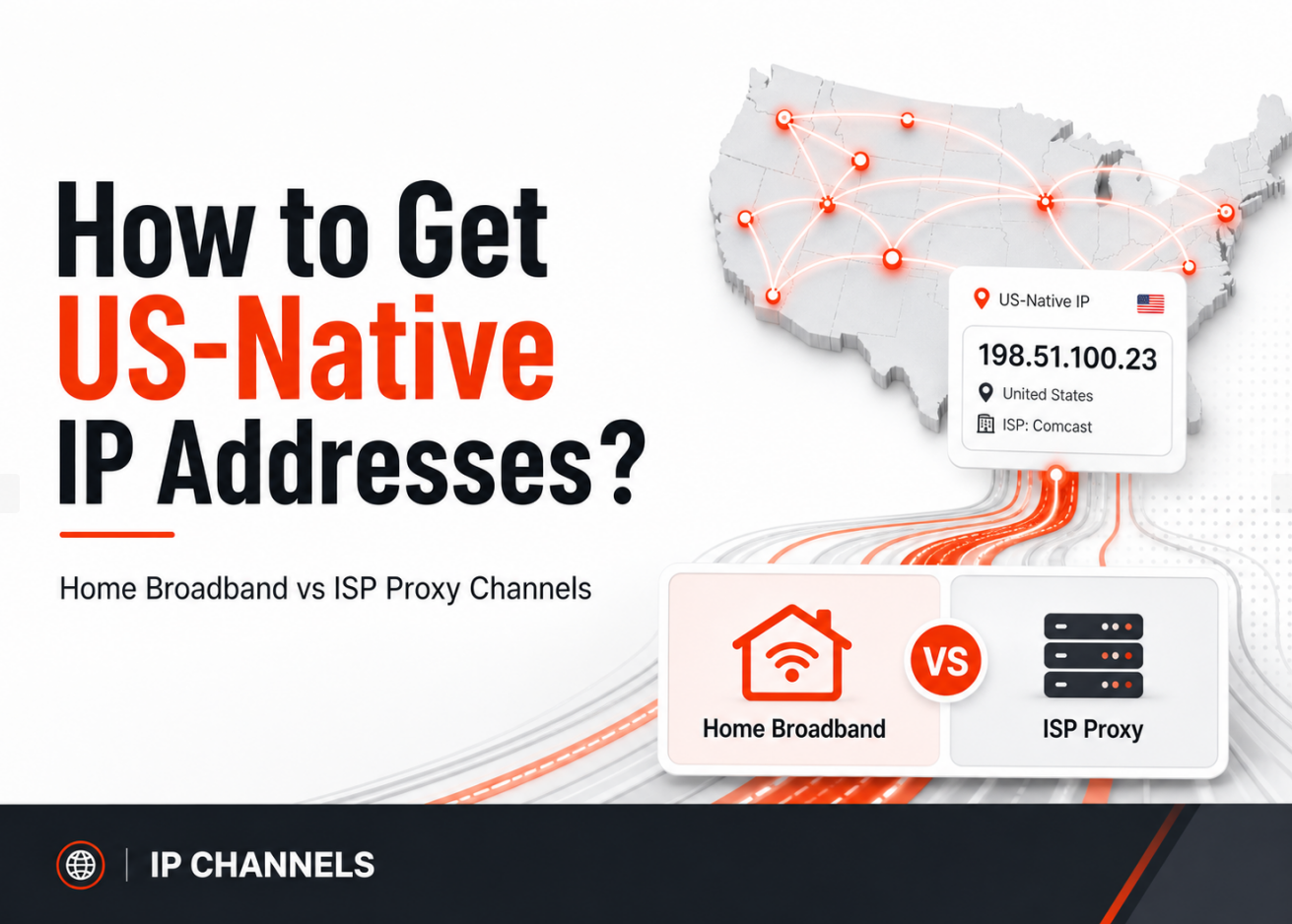
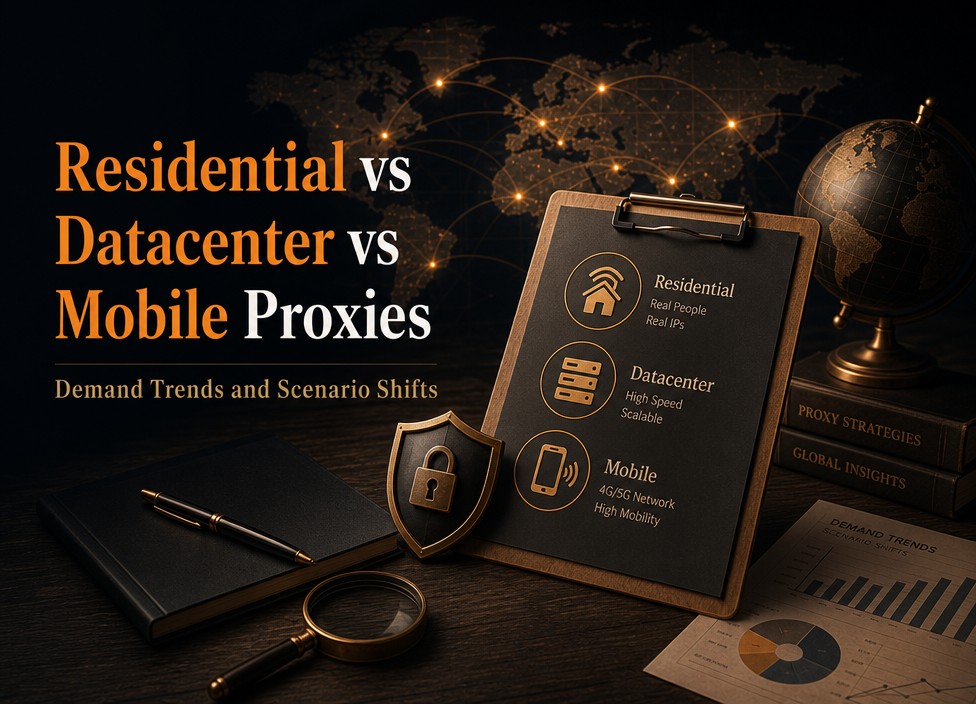
Residential IP demand keeps rising on compliance and access-isolation needs; datacenter IPs remain essential for throughput; mobile IPs are shifting from edge use to mainstream.
Static residential proxies combine real-ISP authenticity with month-long IP stability — irreplaceable for long sessions, audit-traceable queries, and platforms that block datacenter IPs.
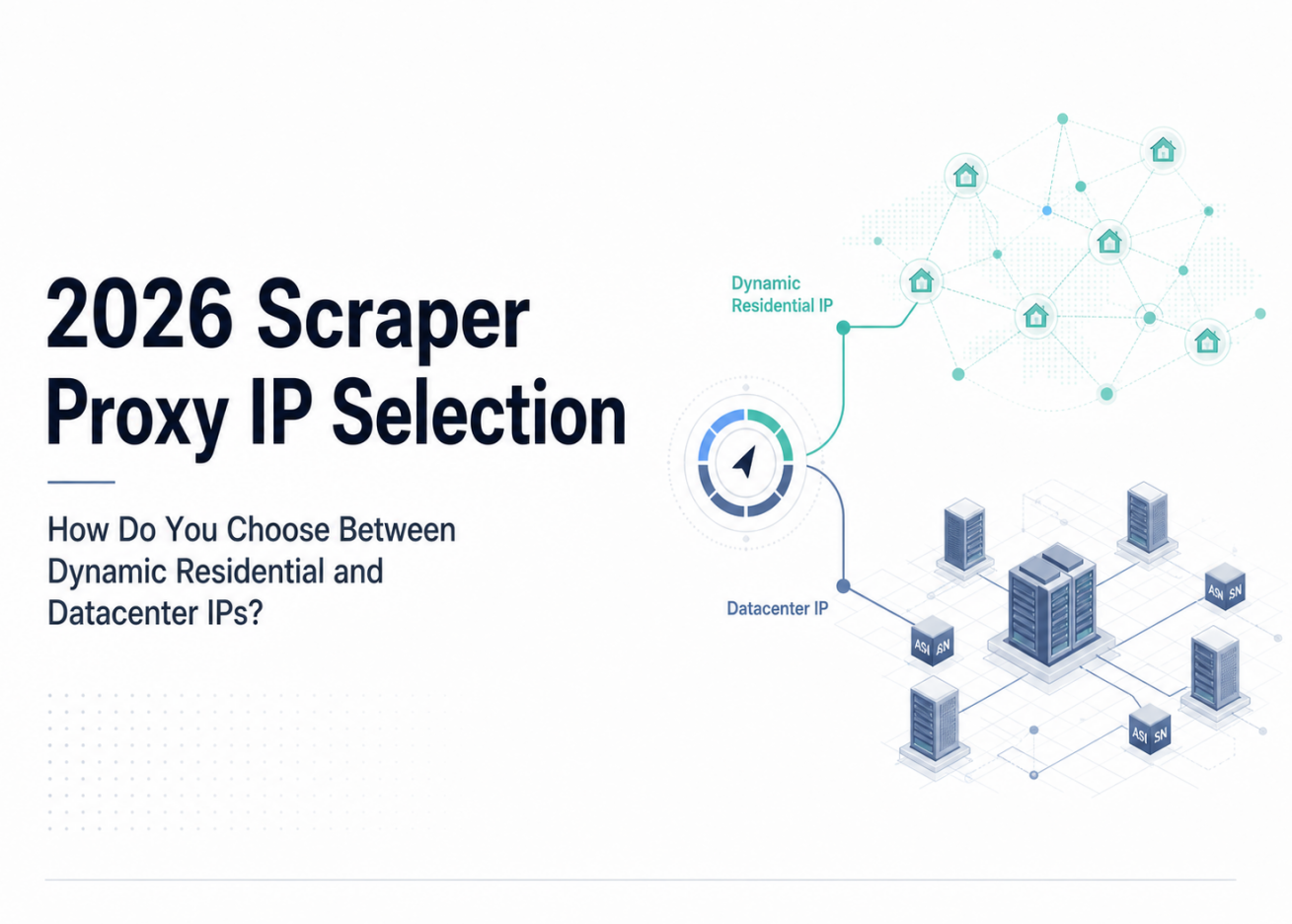
How to choose between dynamic residential and datacenter proxies for scraping—scenario-fit analysis across four dimensions, plus a hybrid architecture that cuts cost 60-70%.