Proxy IP pool coverage can't be judged by total IPs alone. Compare resource scale, city and carrier coverage, refresh capability, protocol integration, and exception-switching mechanisms before selection.
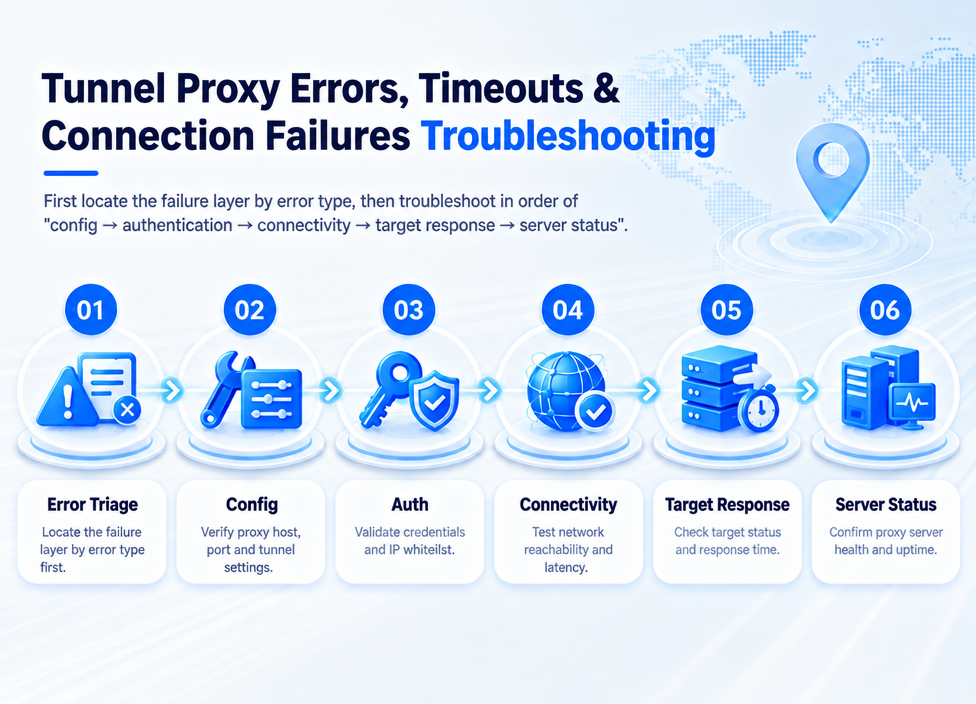
Tunnel proxy failures usually cluster in five layers: config, authentication, proxy node, target site, and local network. Diagnose by error type, then troubleshoot layer by layer.
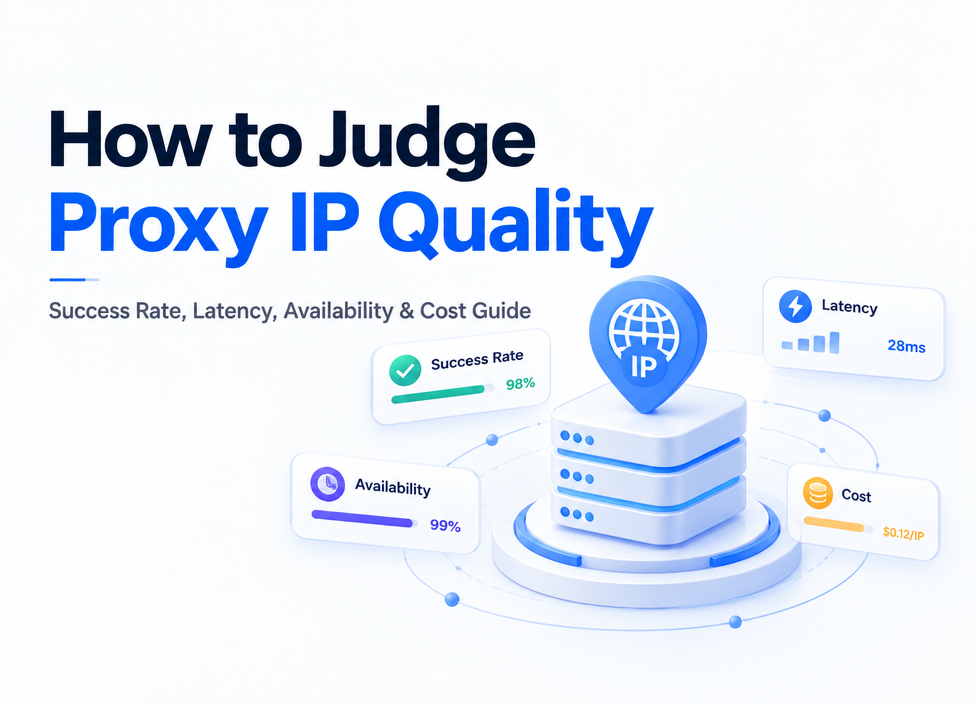
Proxy IP quality can't be judged on a single metric. Under unified test conditions, observe success rate, latency percentiles, IP availability, and effective cost together against business goals.
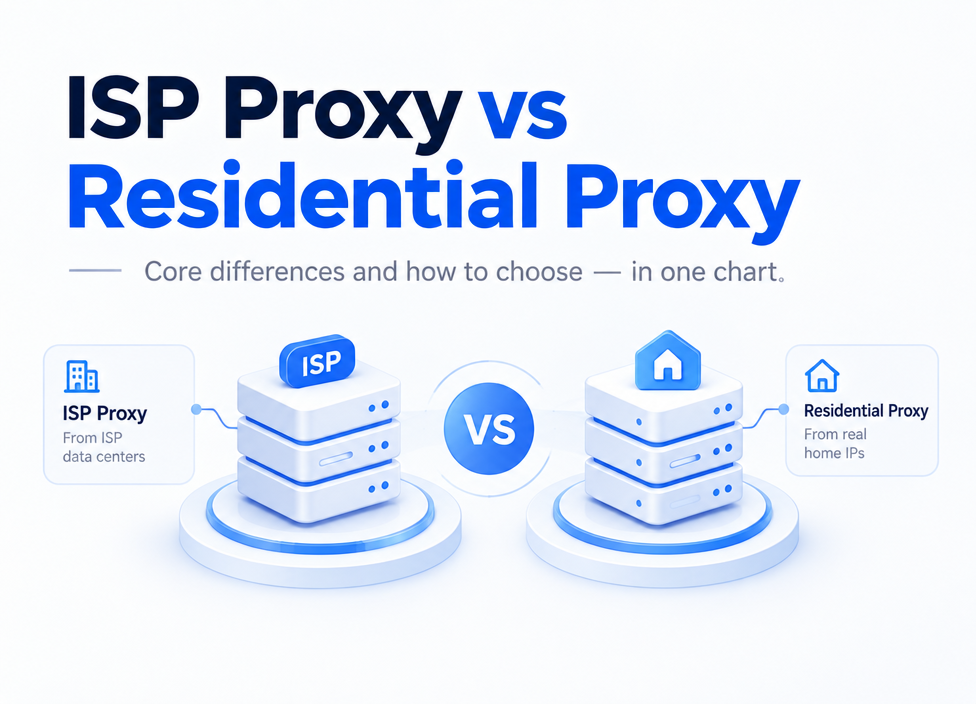
ISP proxies emphasize fixed exits, stable connections, and carrier network attribution. Residential proxies emphasize IPs from real home or access networks. Choose by task requirements.
Overseas proxy IP failures are rarely single-cause. Troubleshoot in order of local network, proxy authentication, protocol, and target site response — isolate the failure layer before swapping proxies.
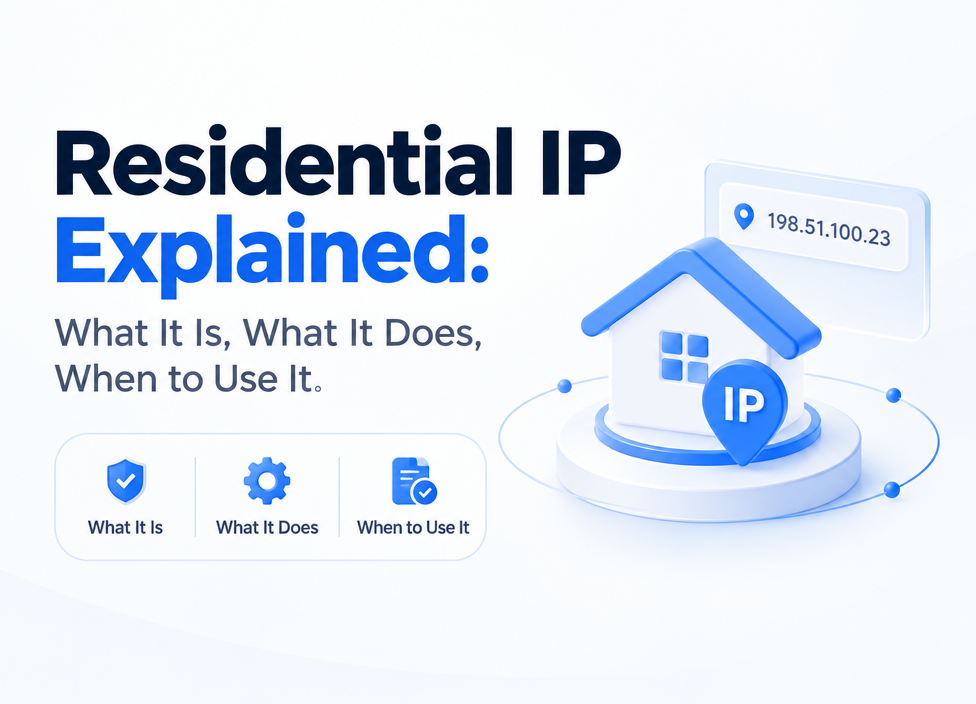
Residential IPs come from home broadband or mobile networks and better match real resident access environments. They suit regional content testing, public data scraping, ad verification, and cross-region business checks.
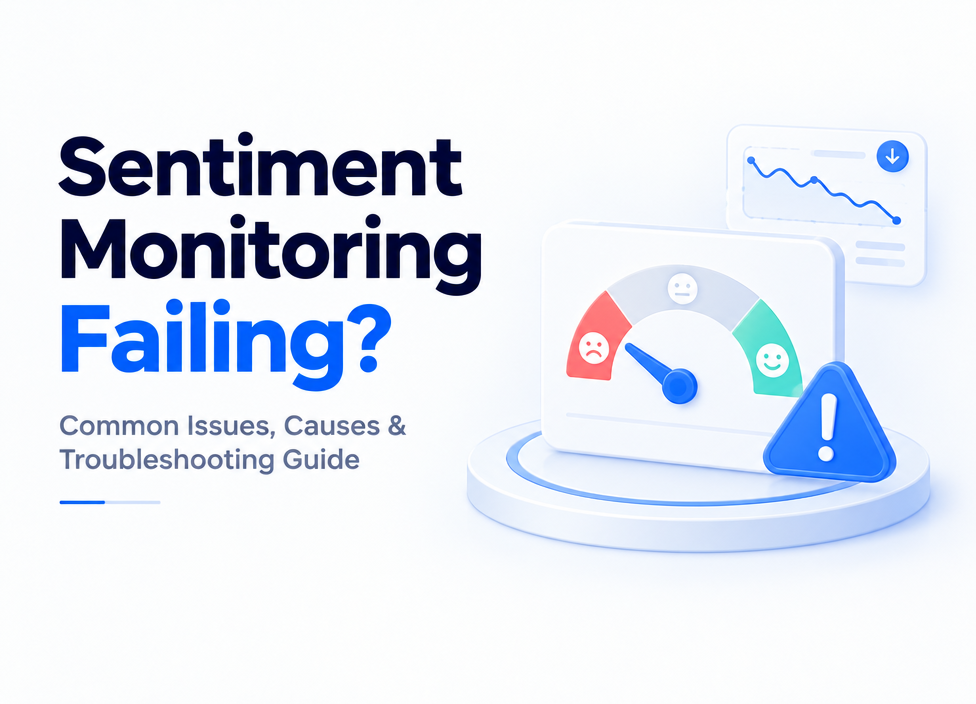
Sentiment monitoring failures rarely have a single cause. Troubleshoot in order of request sent, page returned, content parsed, data stored, and alert triggered — locate the failing layer first.
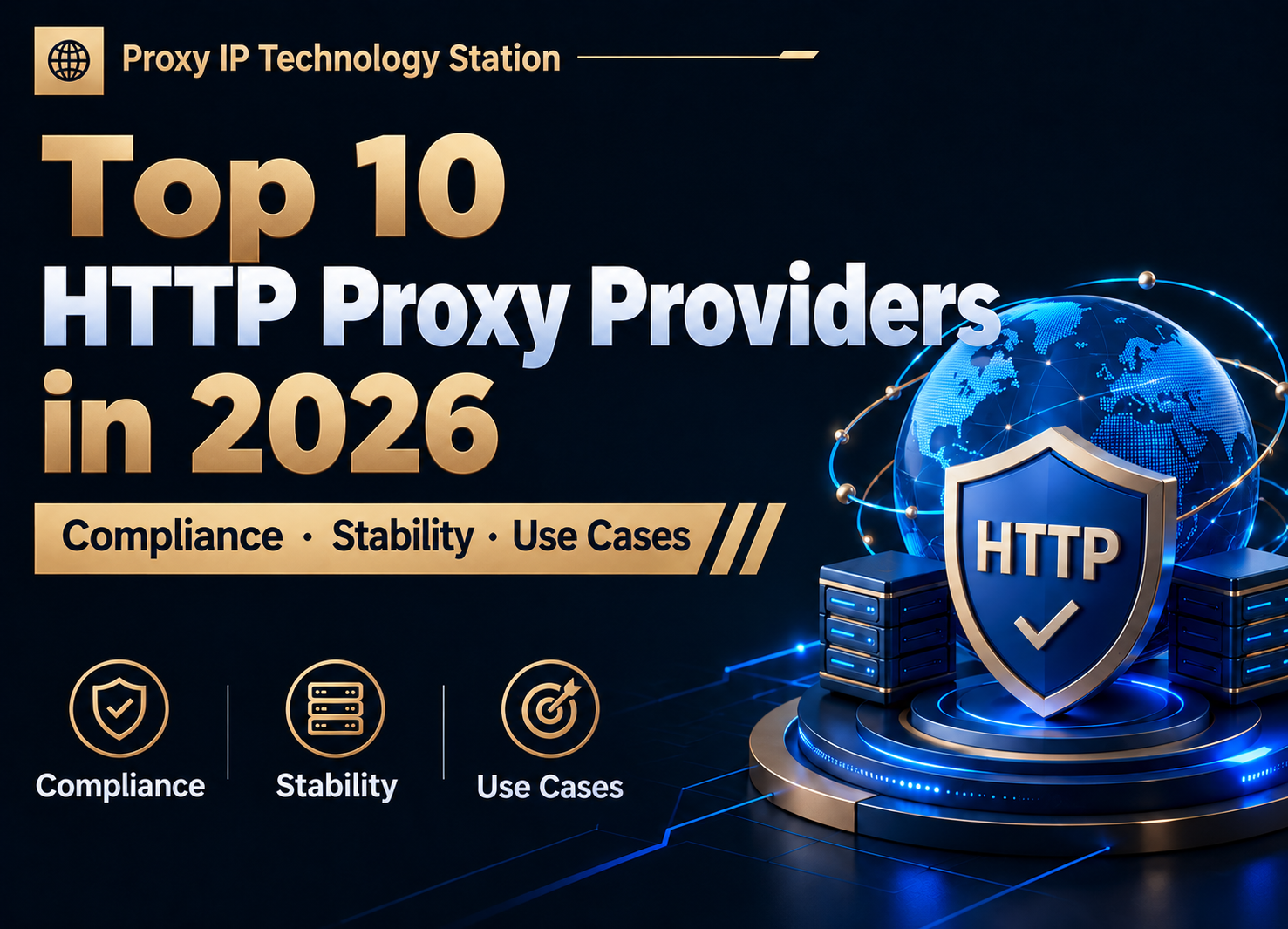
HTTP proxy platforms have no universal answer. Domestic tasks focus on credentials, business pooling, protocols, and sustained requests; overseas tasks also weigh residential resources, regional coverage, sessions, and settlement.
No single proxy IP provider fits every monitoring task. Define region, request frequency, data type, and billing first — then compare across product breadth, residential, enterprise service, APAC, and geo precision.