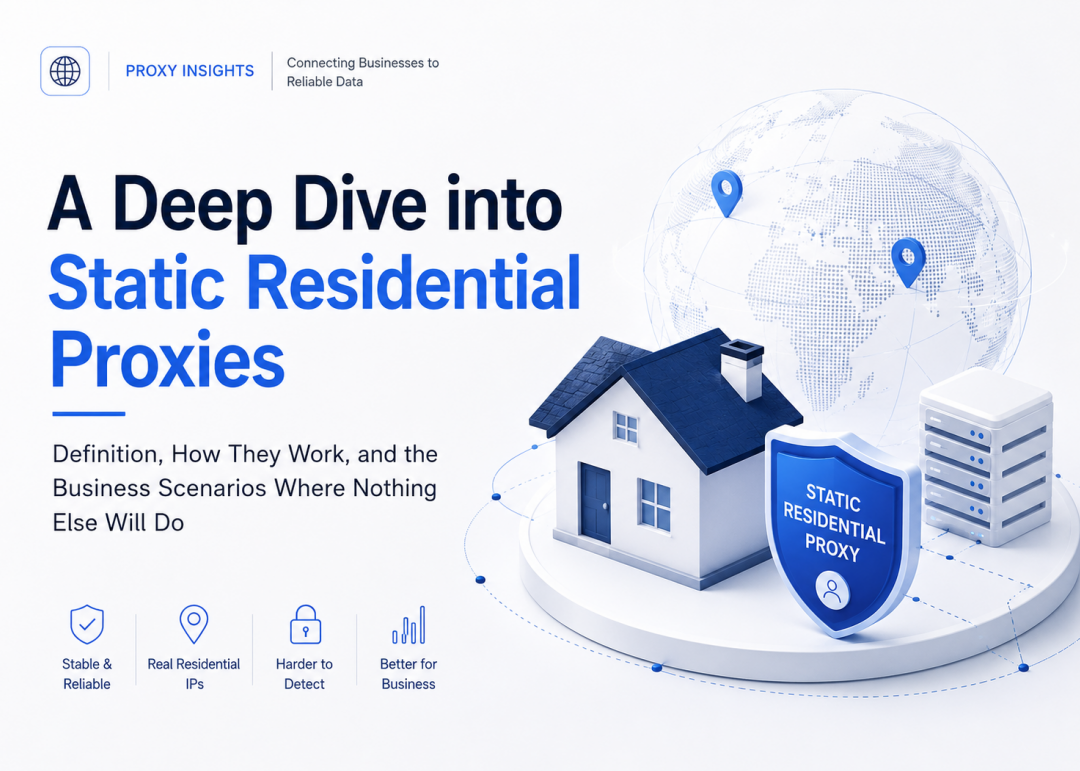
Static residential proxies combine real-ISP authenticity with month-long IP stability — irreplaceable for long sessions, audit-traceable queries, and platforms that block datacenter IPs.
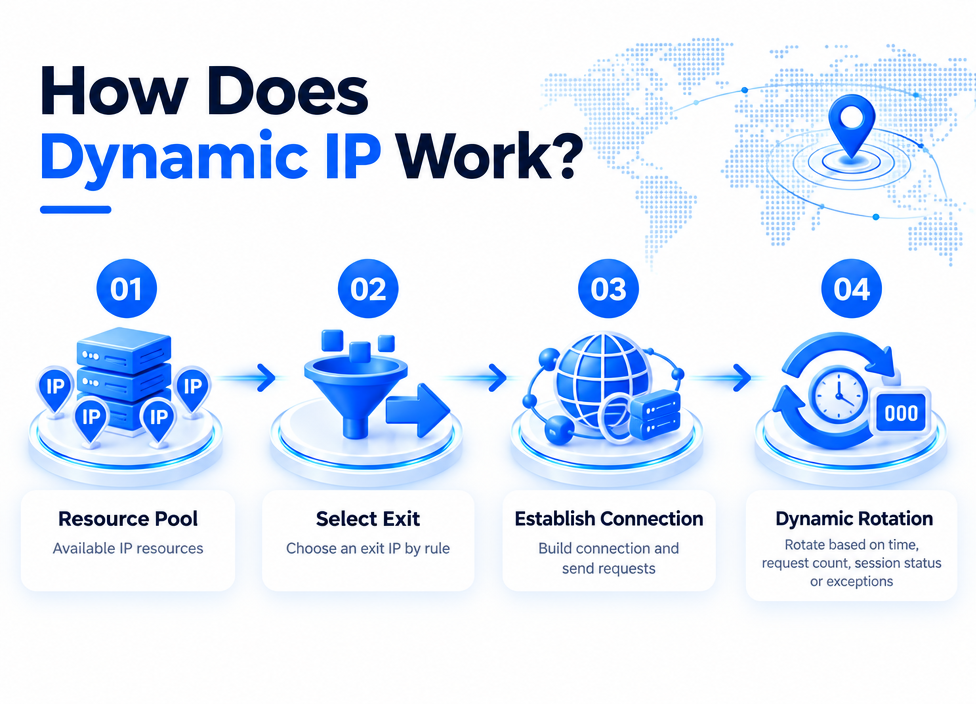
A dynamic IP picks an exit from available resources by rule and rotates by time, request count, session state, or anomaly. Match the strategy to task continuity and frequency.
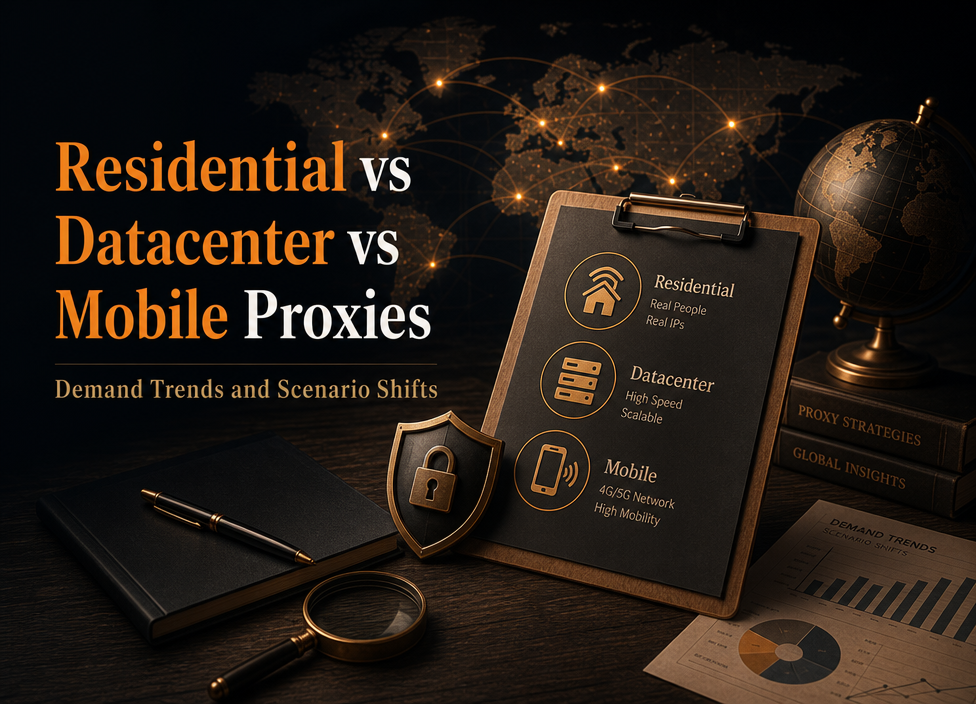
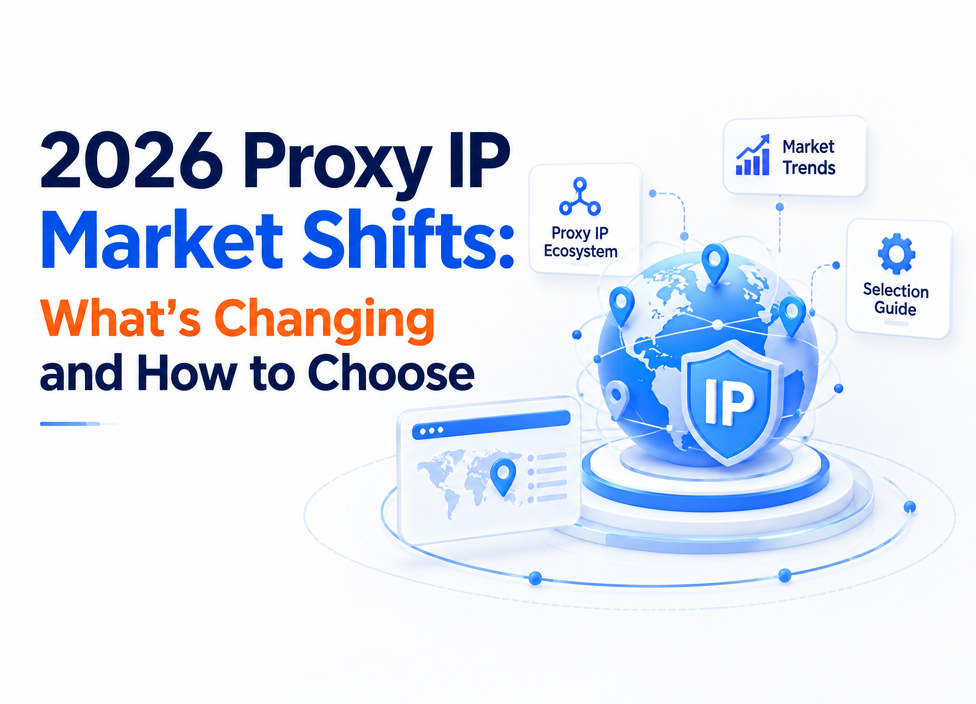
Residential IP demand keeps rising on compliance and access-isolation needs; datacenter IPs remain essential for throughput; mobile IPs are shifting from edge use to mainstream.
The 2026 proxy market is shifting focus from node count and low pricing to source compliance, IP quality, session stability, geo precision, and auditable service.
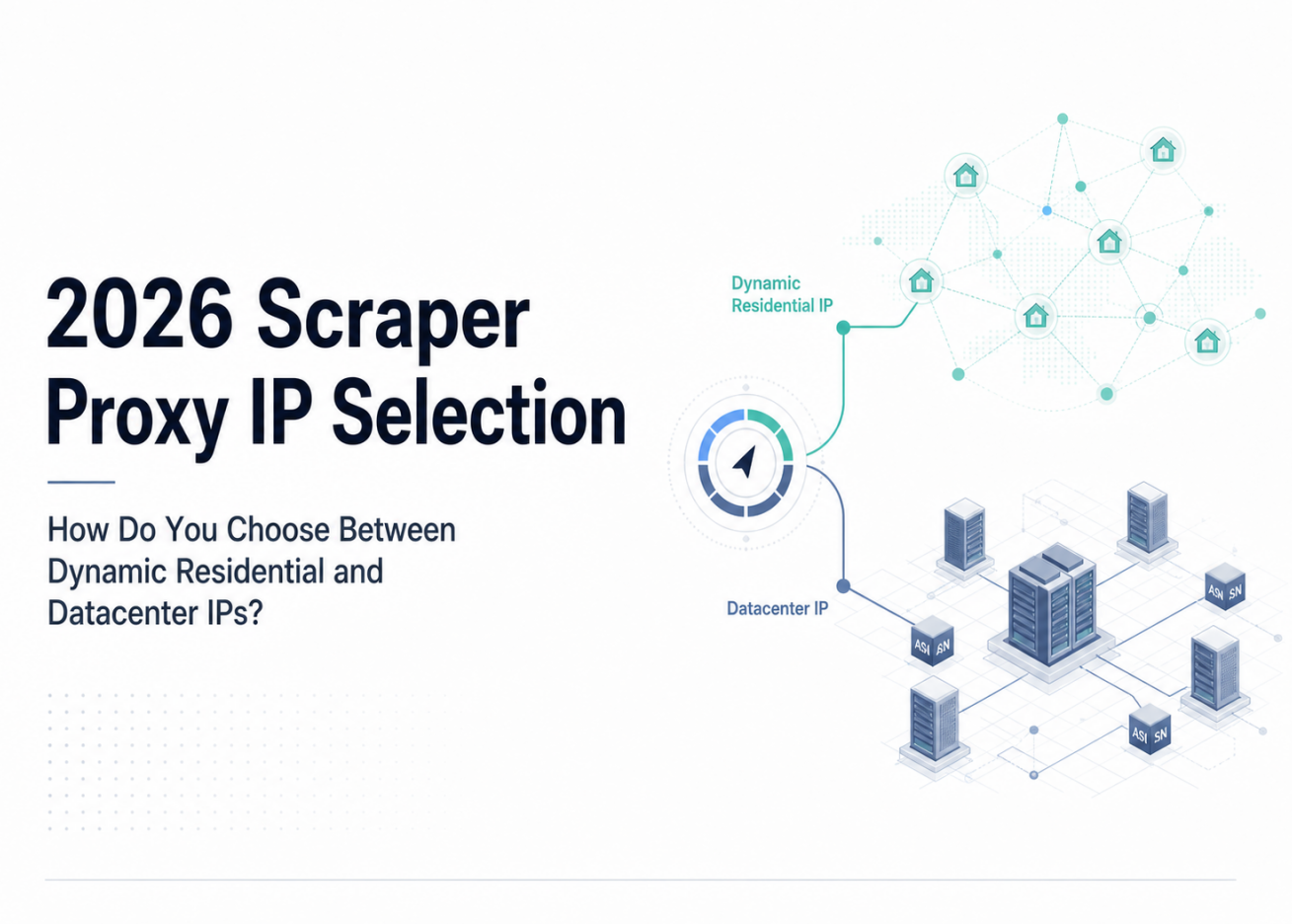
How to choose between dynamic residential and datacenter proxies for scraping—scenario-fit analysis across four dimensions, plus a hybrid architecture that cuts cost 60-70%.
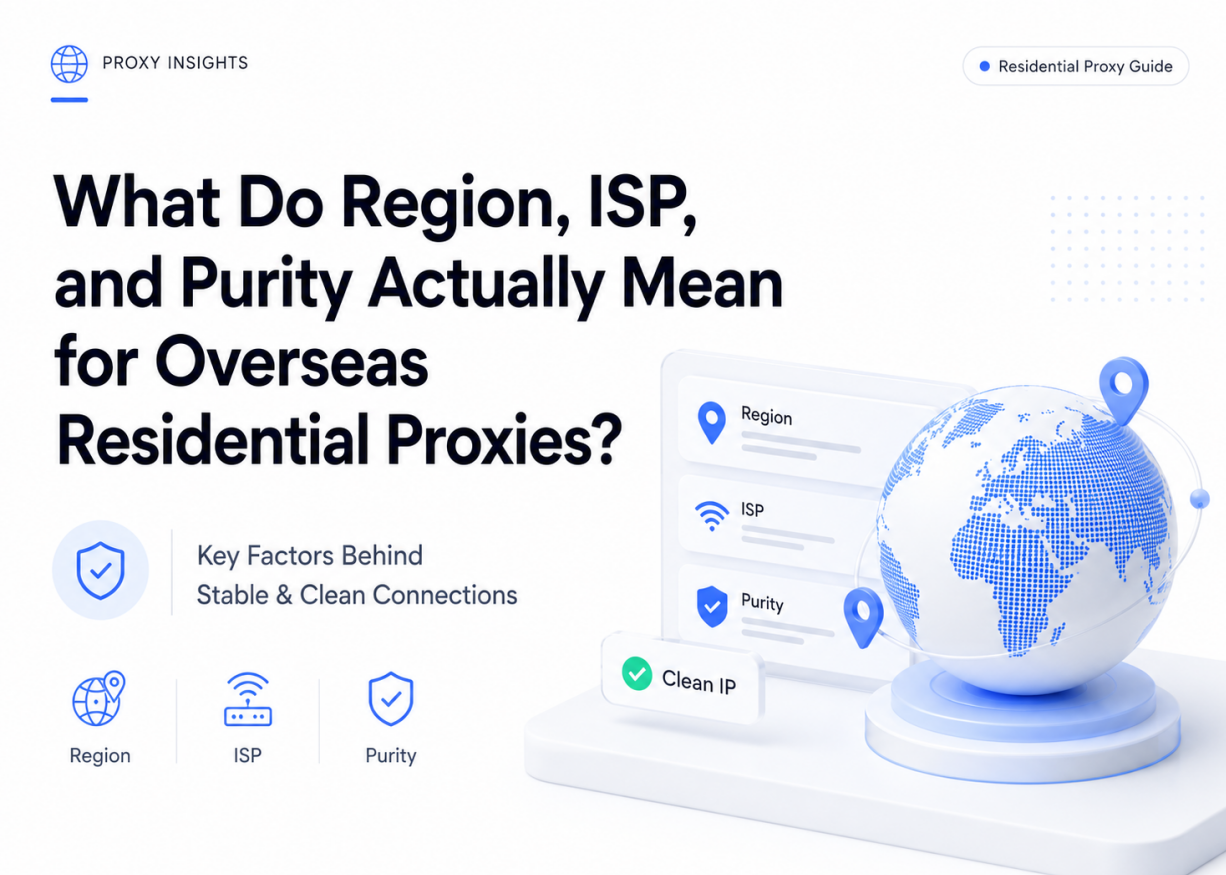
Stop comparing residential proxy providers on IP pool size alone. Region, ISP, and purity are the three layered filters that actually determine whether an IP works for your task — and what to ask during selection to verify each one
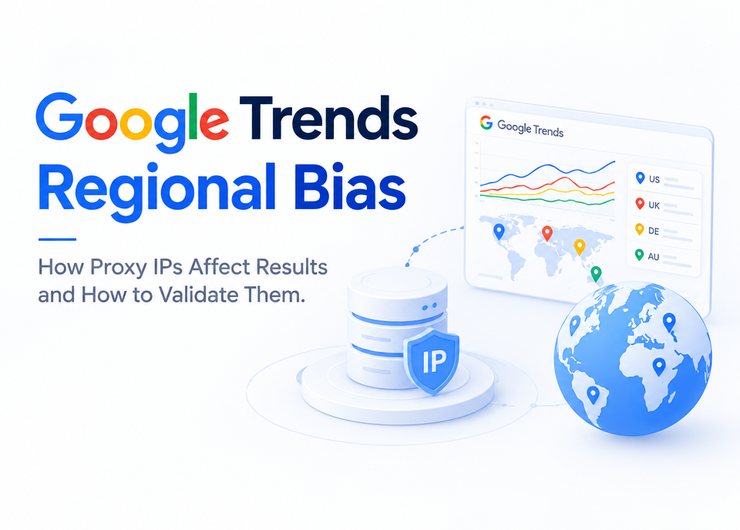
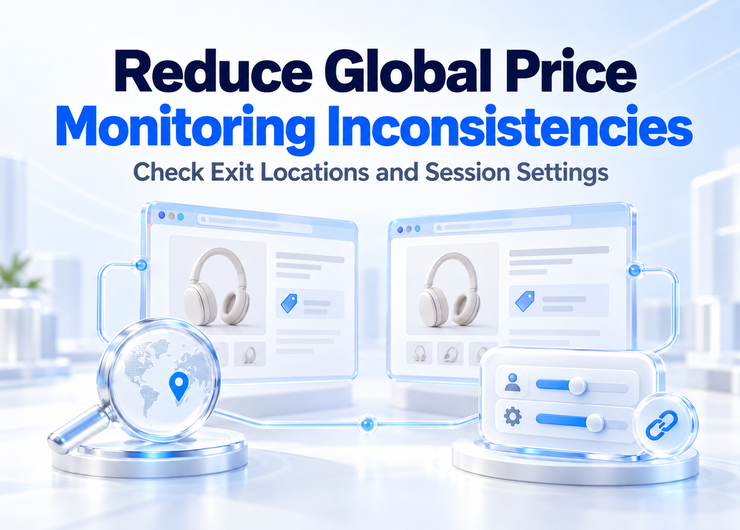
A price monitoring application may retrieve pages successfully without producing comparable results. Access location, currency, delivery conditions, and session state can all change page content.
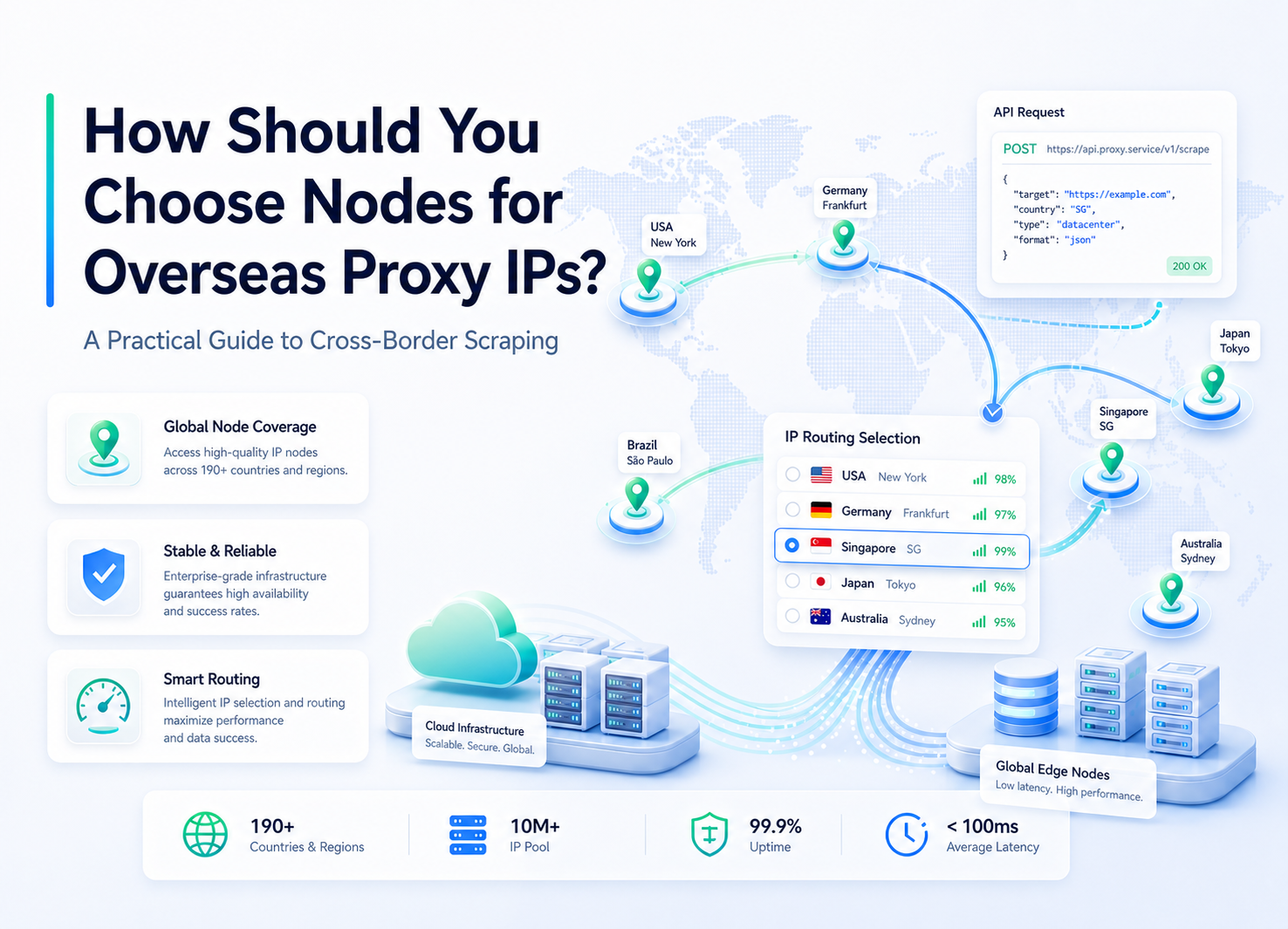
**A practical guide to choosing overseas proxy IP nodes for cross-border scraping — covering target-market alignment, pool types, latency testing, and compliance risks.**