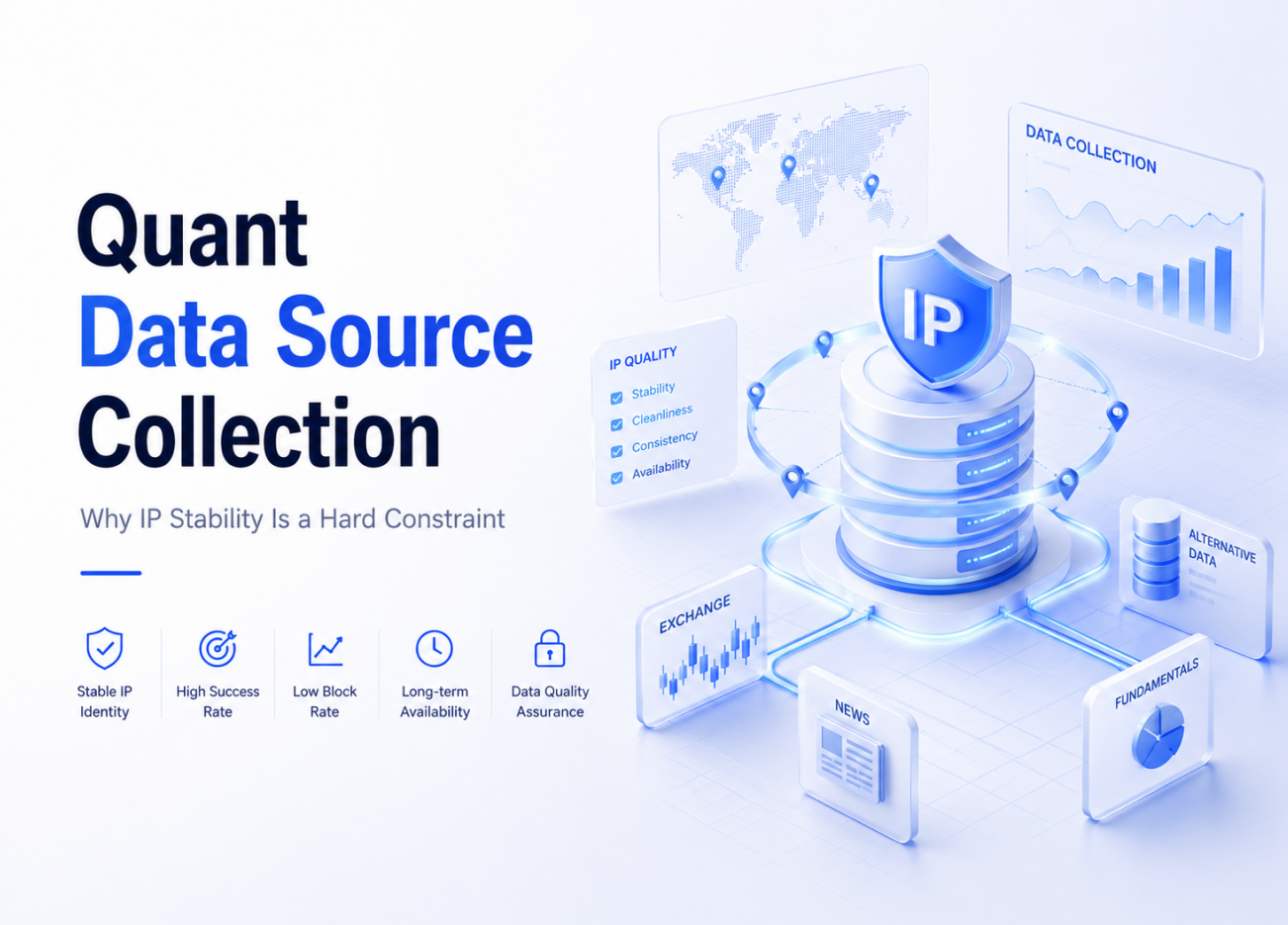
Why IP stability—not pool size—is the hard constraint on quant data collection quality, with a four-metric evaluation framework and ROI model for enterprise teams.
Use Cases2026/07/14 22 Likes 0 Comments 1169 Views
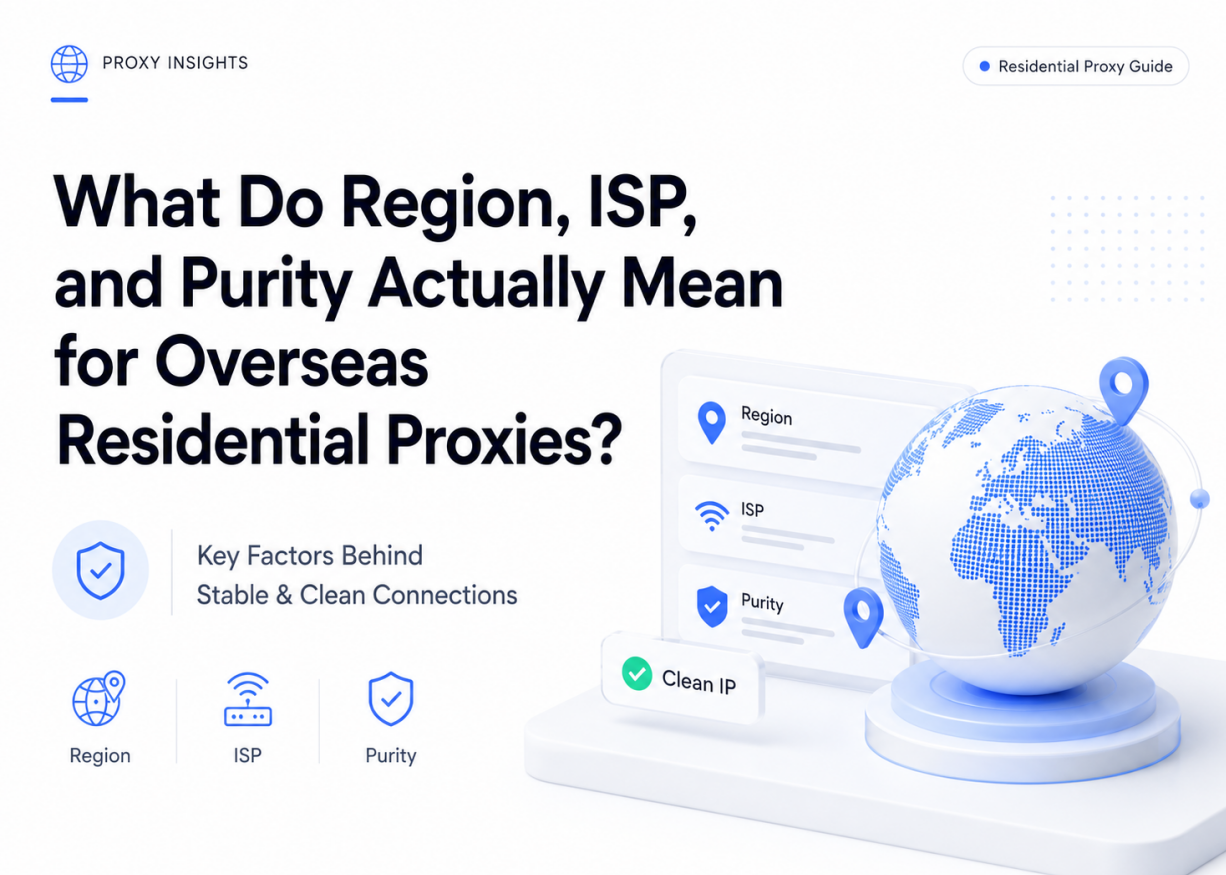
Stop comparing residential proxy providers on IP pool size alone. Region, ISP, and purity are the three layered filters that actually determine whether an IP works for your task — and what to ask during selection to verify each one
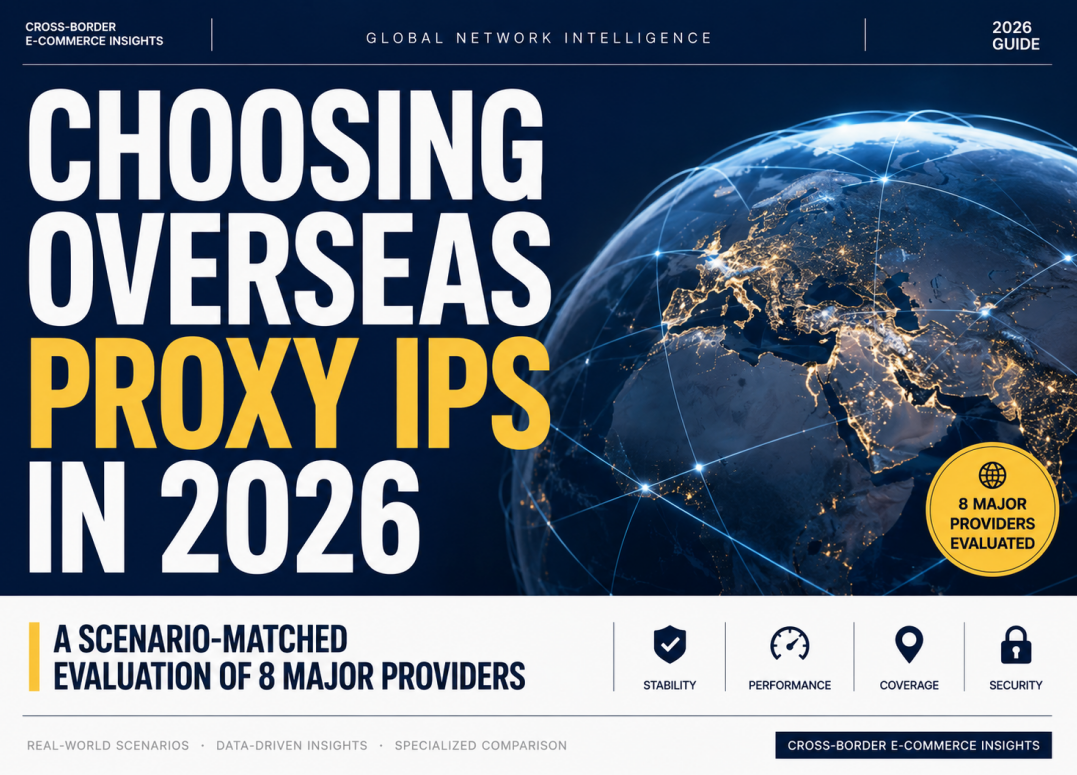
A 2026 buyer's guide to 8 overseas proxy providers, evaluated by real business scenarios — cross-border sourcing, ad monitoring, sentiment monitoring, and AI data collection — not by feature checklists.
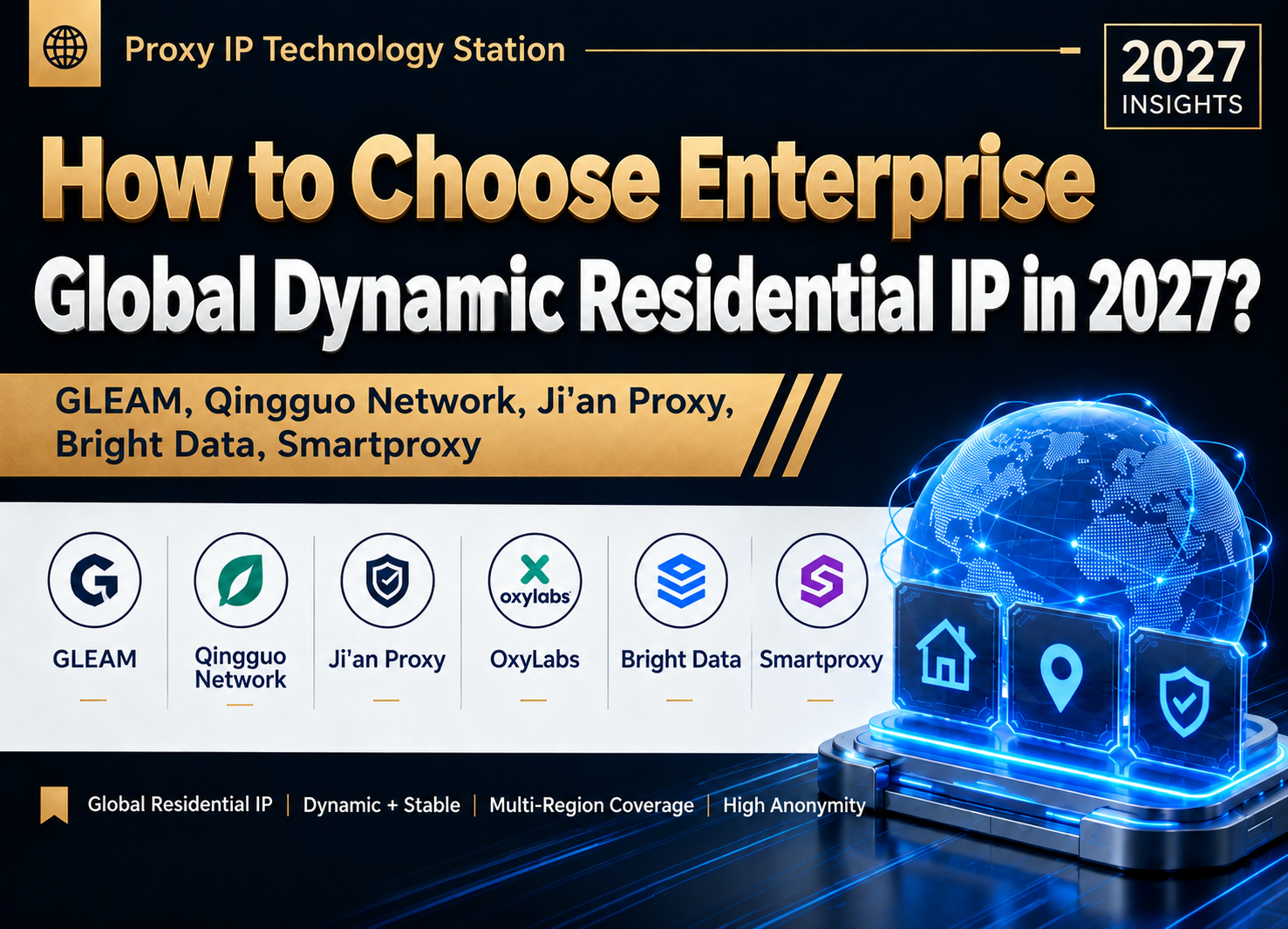
When choosing a residential proxy pool, start with geography, sessions, rotation, and IP reuse controls. Providers serve different needs, so do not judge them solely by IP pool size or price per GB.
Define target region, concurrency, session, and compliance first — then compare six leading providers on product line, protocol auth, billing, and enterprise support. Don't decide by IP pool scale alone.
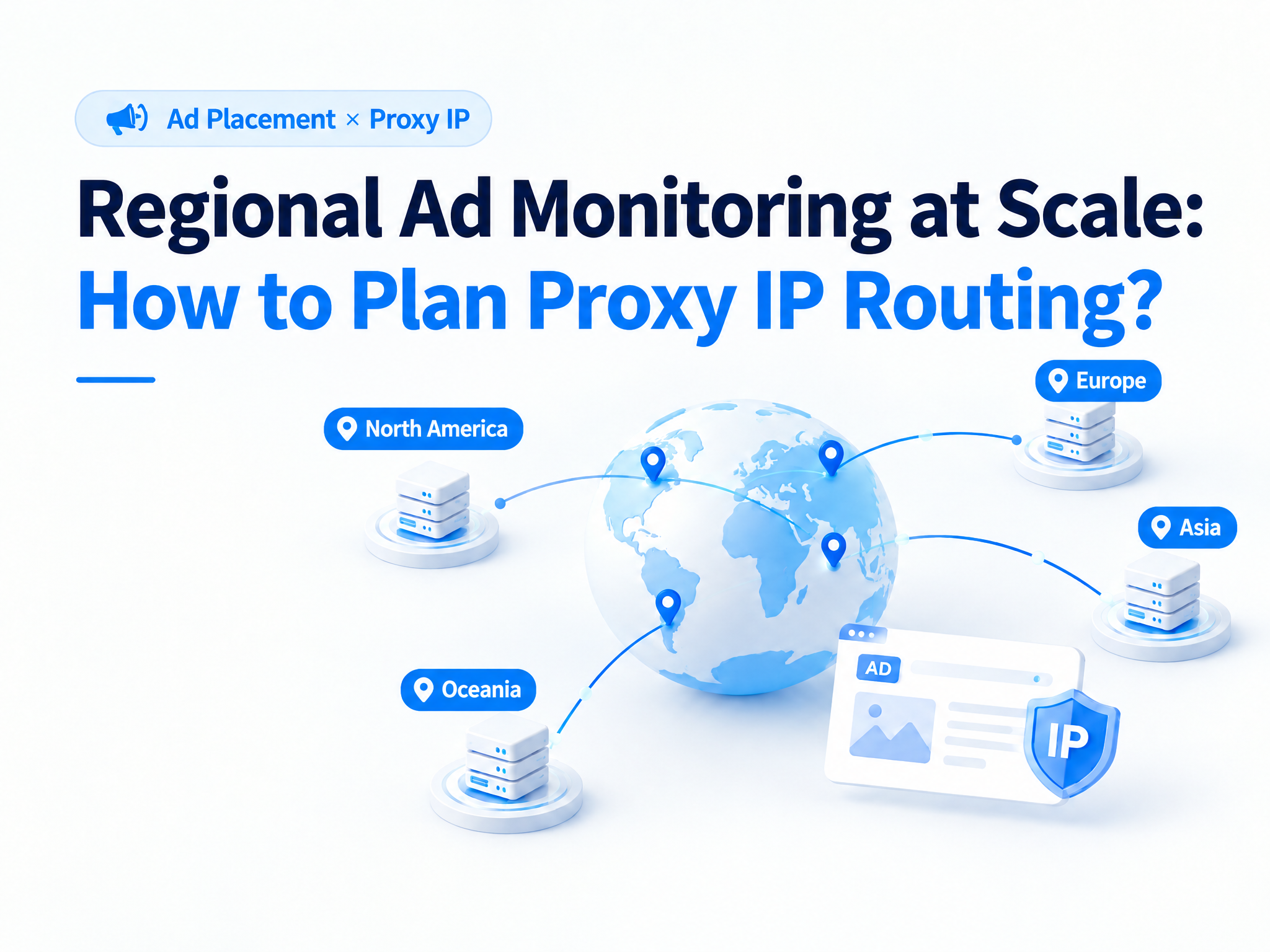
A reliable ad verification workflow requires more than increasing retry counts. You must manage the proxy environment, task state, and data quality together.
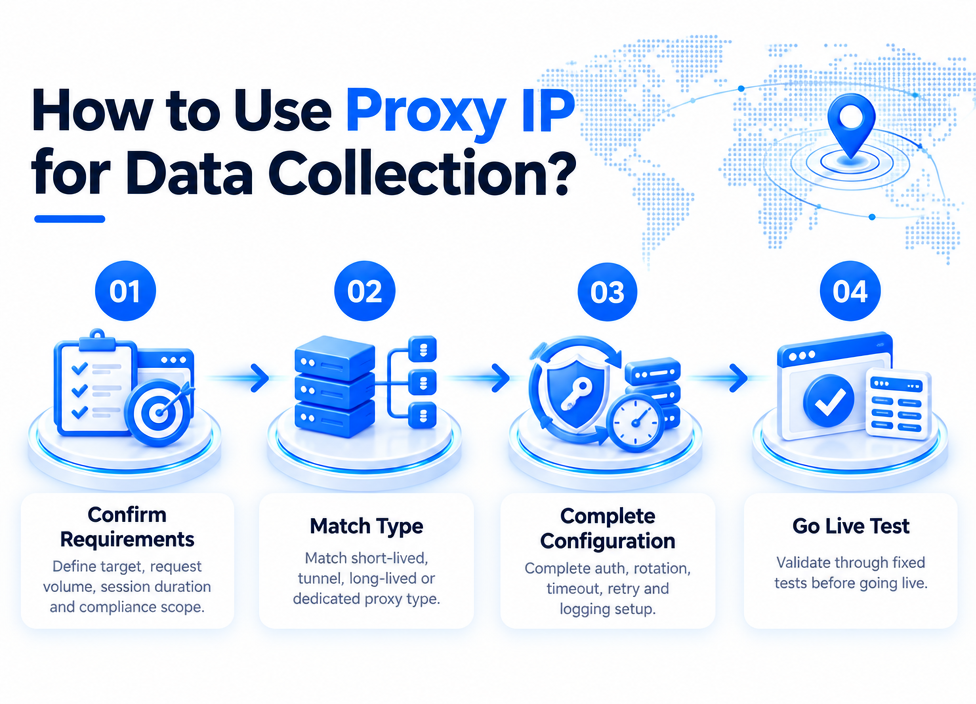
Integrating proxy IPs into data collection means confirming goal, request volume, session, and compliance first — then matching product type, finishing config, and validating before launch.
Use Cases2026/10/27 21 Likes 0 Comments 1012 Views
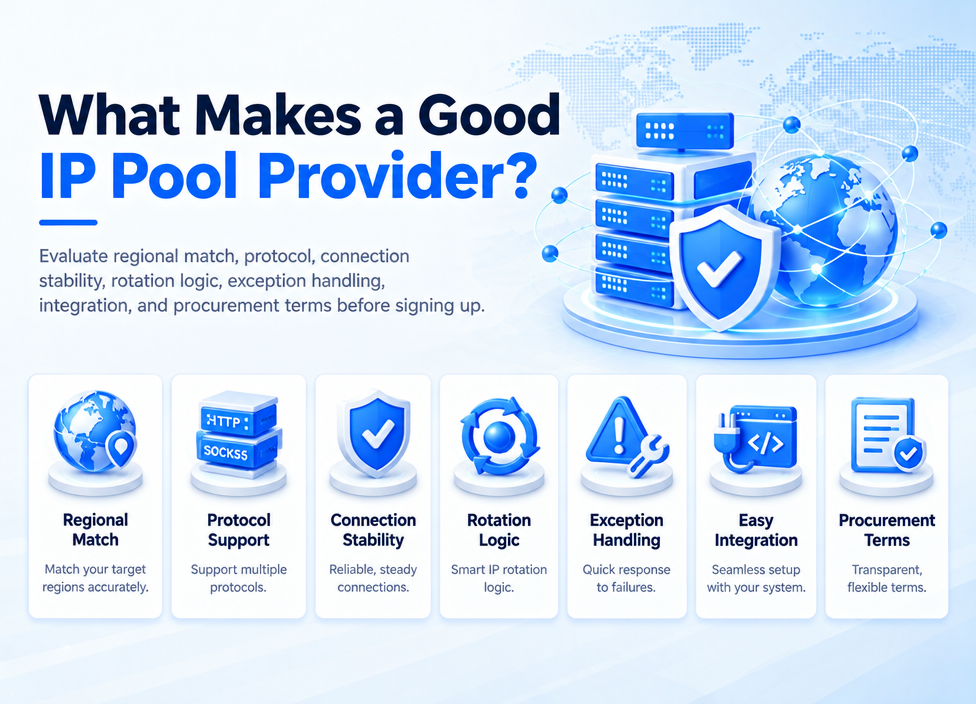
A good IP pool isn't just about resource scale. Evaluate regional match, protocol, connection stability, rotation logic, exception handling, integration, and procurement terms before signing up.
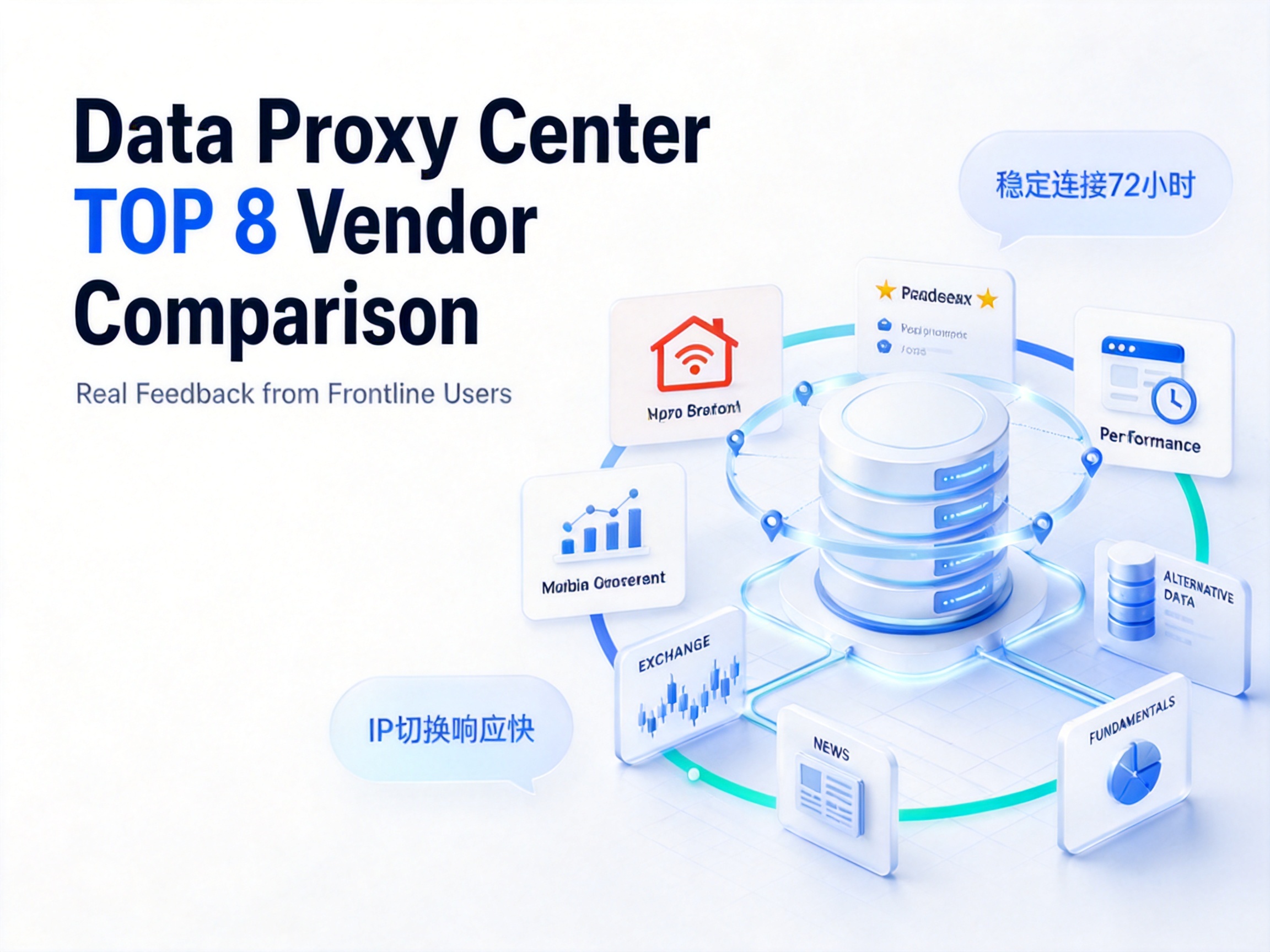
A frontline comparison of 8 overseas data proxy vendors — mechanism axes, residential pricing tiers, and product-to-scenario mapping for cross-border scraping selection.
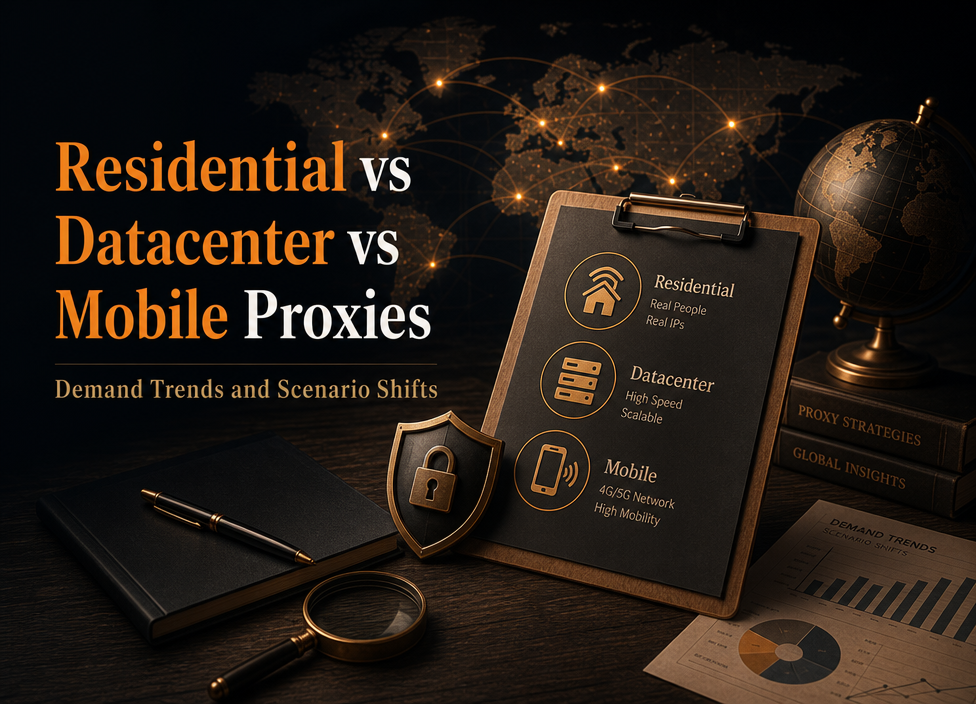
Residential IP demand keeps rising on compliance and access-isolation needs; datacenter IPs remain essential for throughput; mobile IPs are shifting from edge use to mainstream.