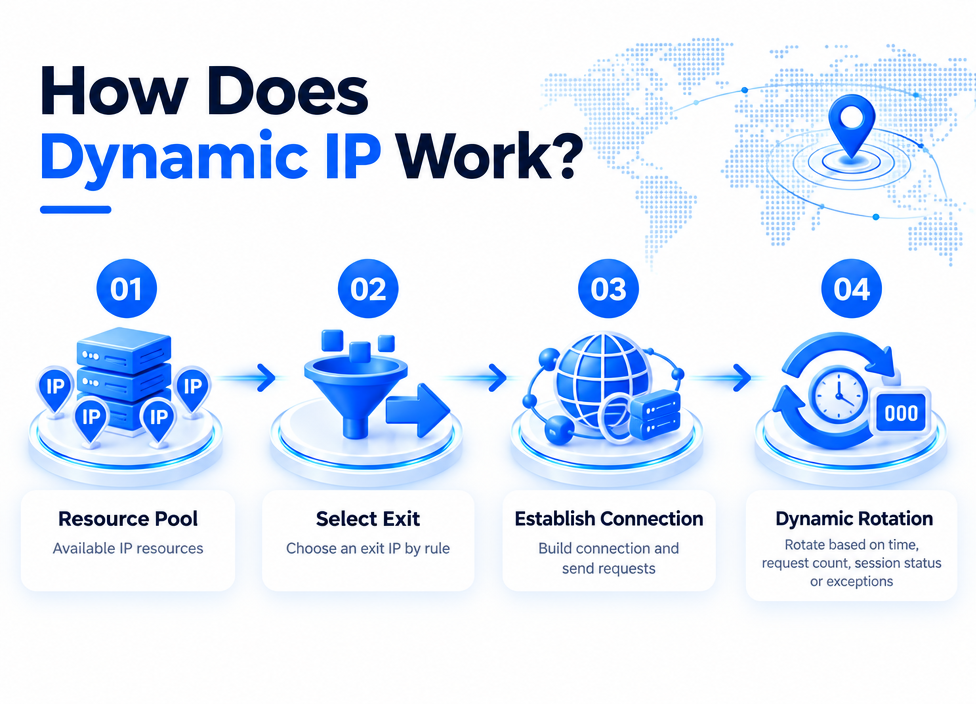
A dynamic IP picks an exit from available resources by rule and rotates by time, request count, session state, or anomaly. Match the strategy to task continuity and frequency.
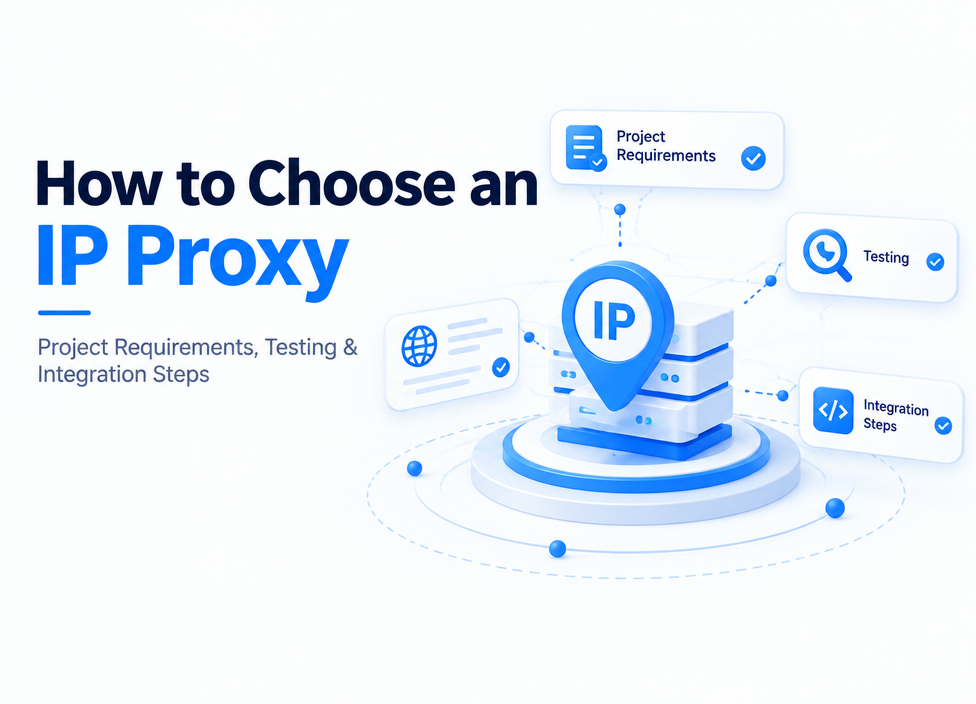
IP proxy selection isn't about price alone. Confirm access target, region, protocol, concurrency, billing, and compliance boundaries first — then validate through small-scale testing and phased integration.
Real-test baselines for overseas proxy IPs — scale tiers, availability gaps versus vendor claims, cleanliness scoring methods, and a 3–5 day sampling plan for vendor selection.
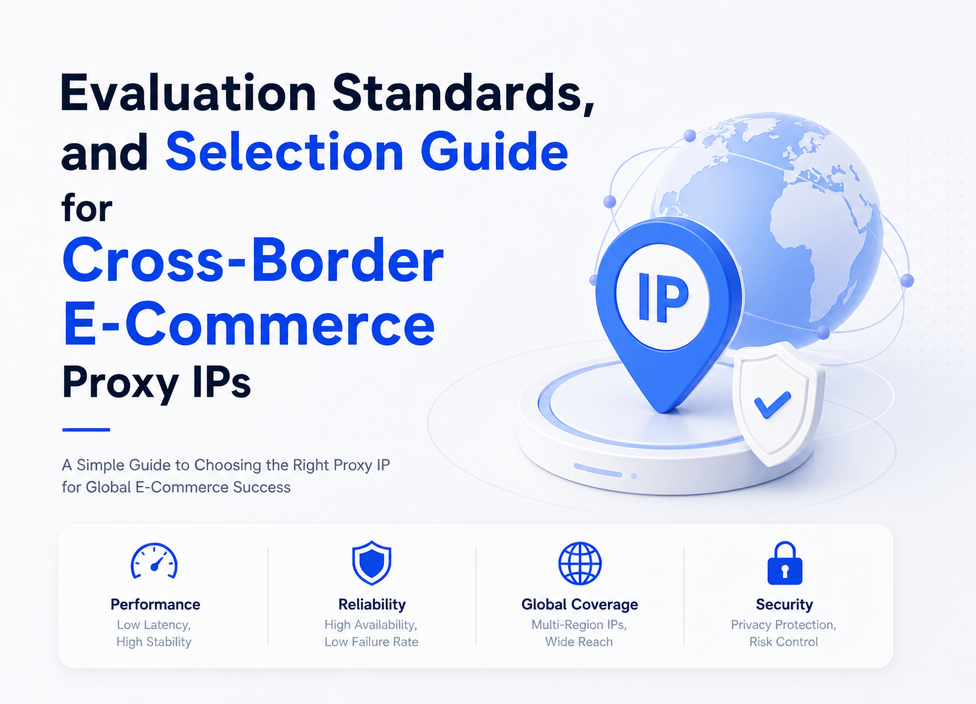
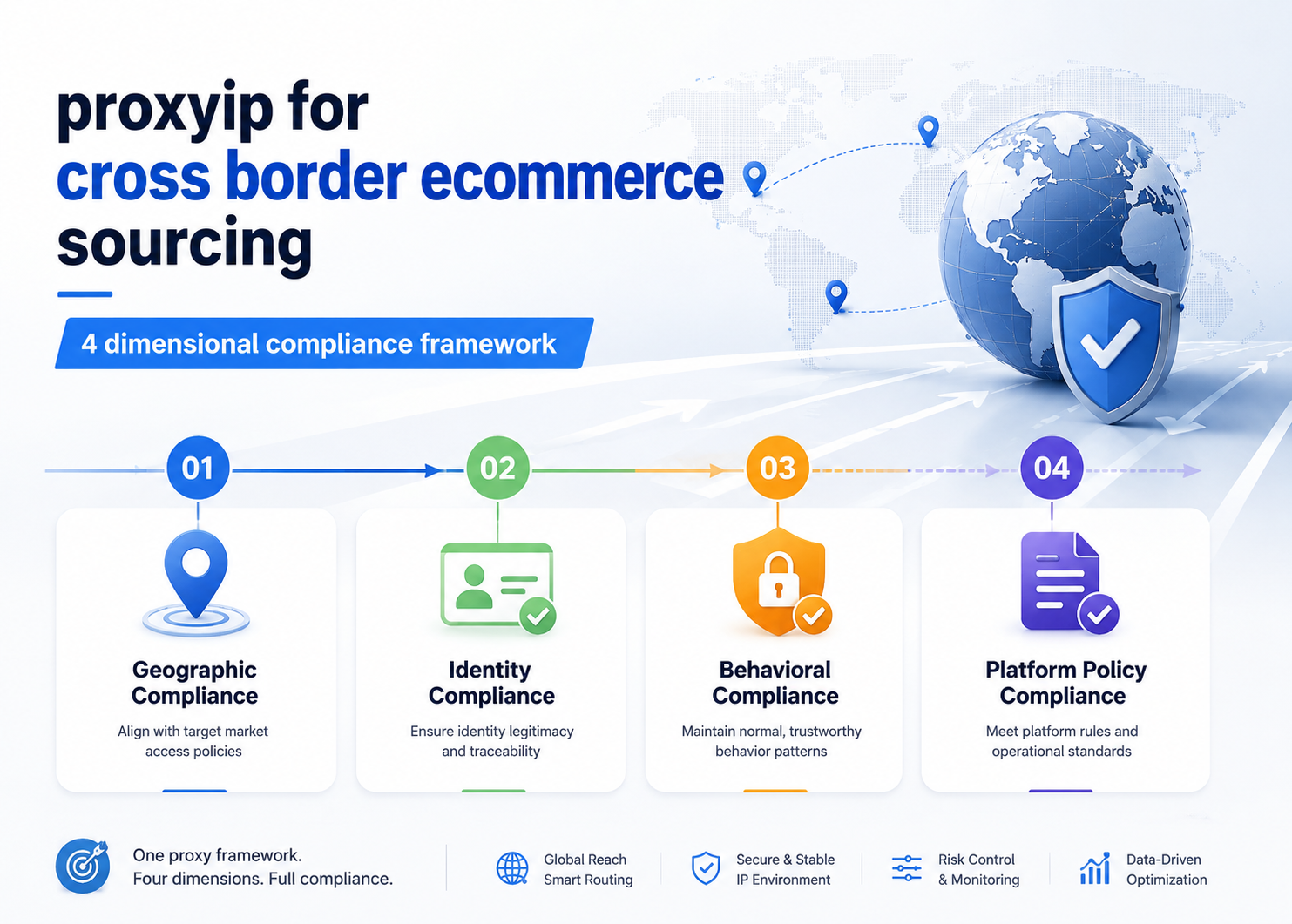
A five-dimension testing methodology for cross-border e-commerce proxy IPs—covering connectivity, latency, geographic precision, protocol compatibility, and stability, with a scenario-weighted selection framework.
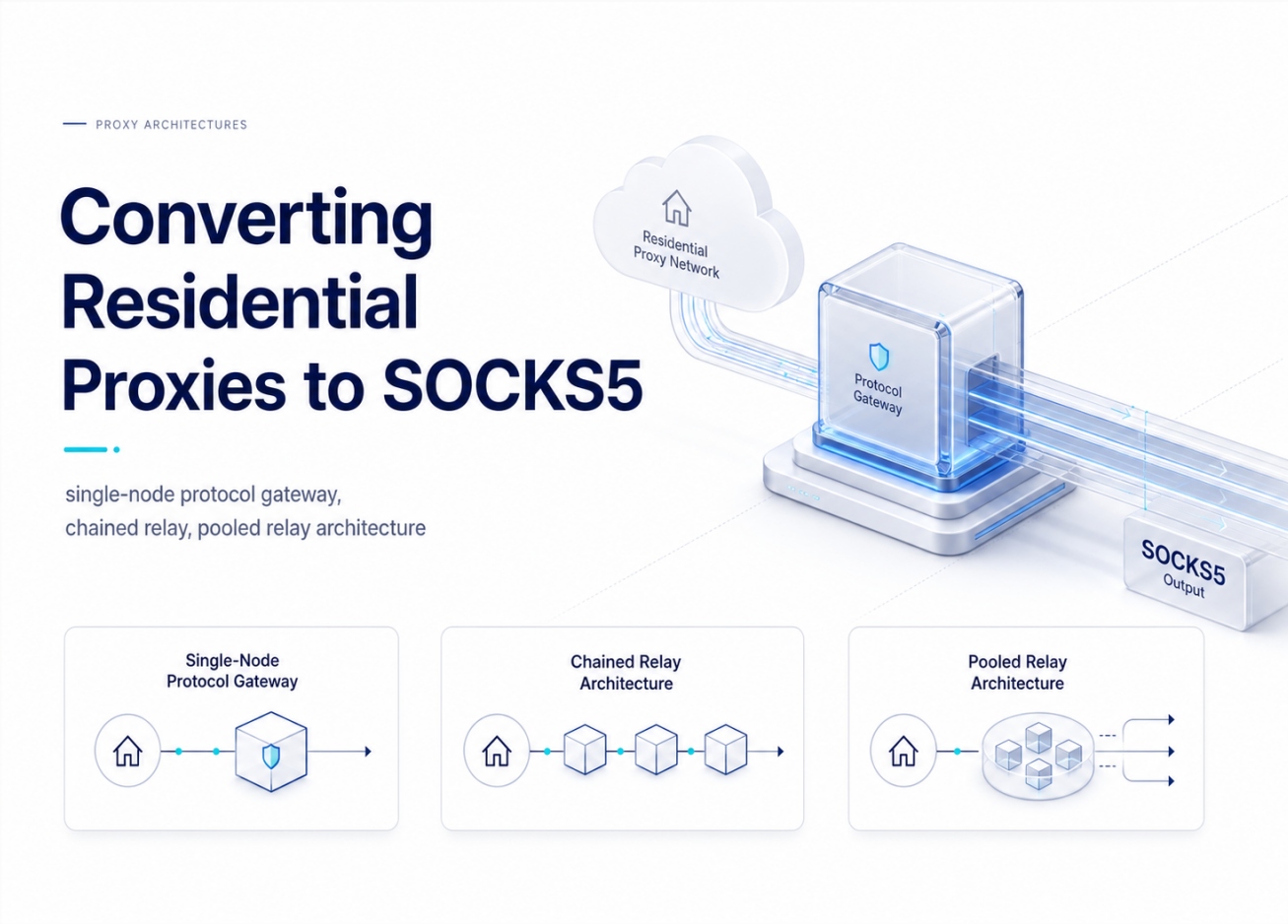
Three approaches to converting HTTP residential proxies into SOCKS5—single-node gateway, chained relay, and pooled architecture—with deployment configs, code examples, and pitfall guidance.
Use Cases2026/07/17 75 Likes 0 Comments 1078 Views
A scenario-based comparison of 7 emerging overseas residential proxy providers across four mechanism dimensions — integration mode, protocol coverage, billing model, and compliance credentials
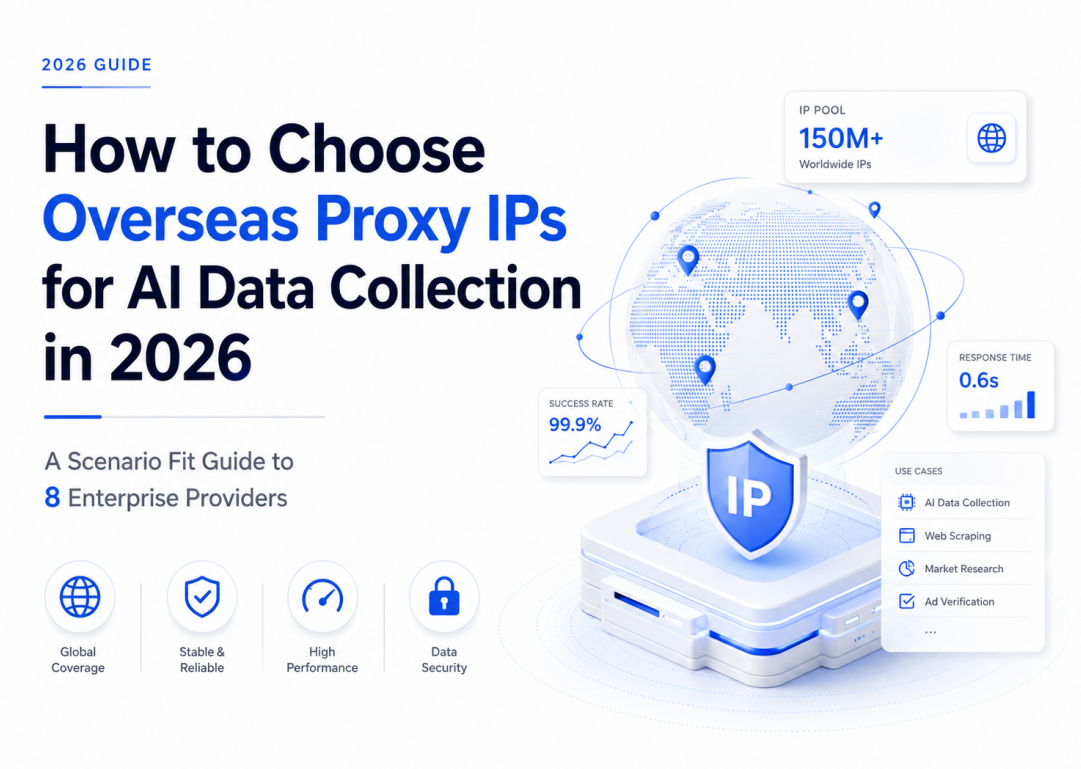
A scenario-matched evaluation of 8 overseas proxy providers for 2026 AI data collection — covering bandwidth, billing models, and compliance, not just IP pool size.
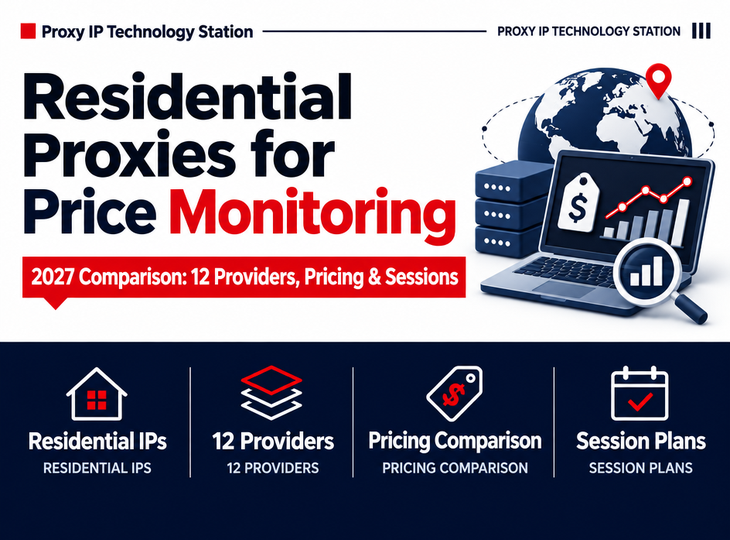
When choosing a residential proxy pool, start with geography, sessions, rotation, and IP reuse controls. Providers serve different needs, so do not judge them solely by IP pool size or price per GB.