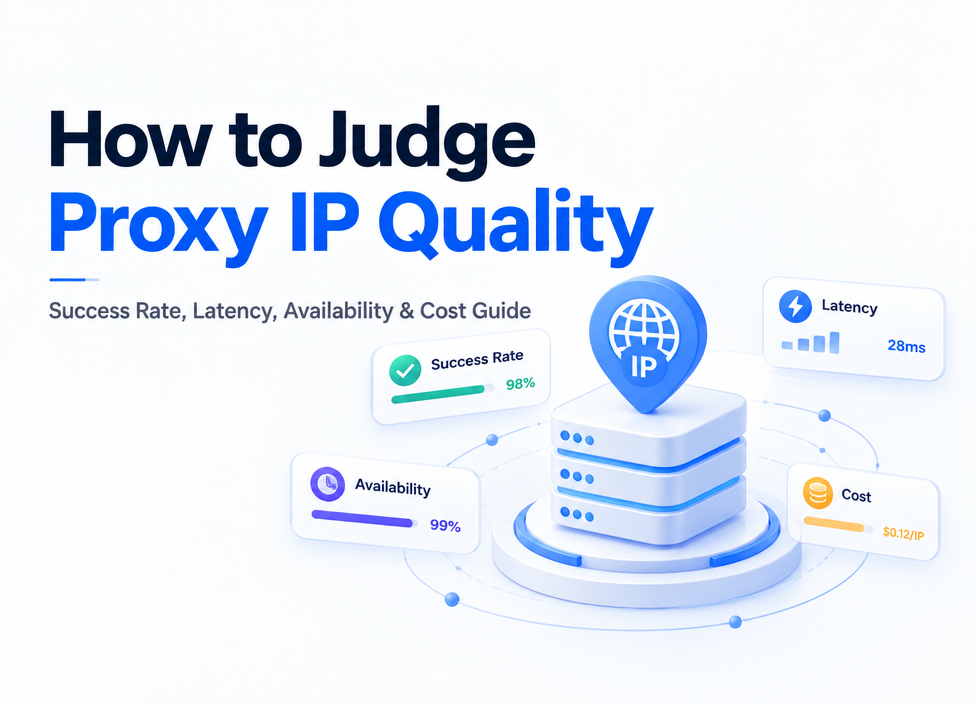
Proxy IP quality can't be judged on a single metric. Under unified test conditions, observe success rate, latency percentiles, IP availability, and effective cost together against business goals.
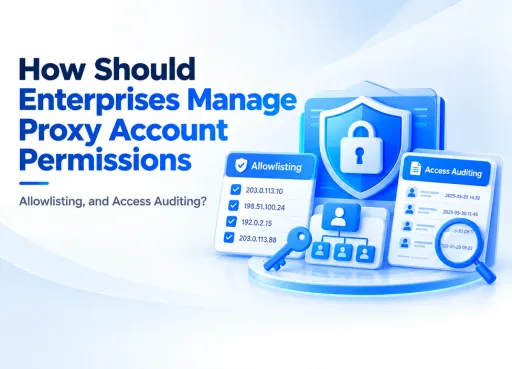
Once proxy IP services are integrated into enterprise systems, the hardest part is often not connectivity, but controlling who can use them, where they can be used from, and what they can access.
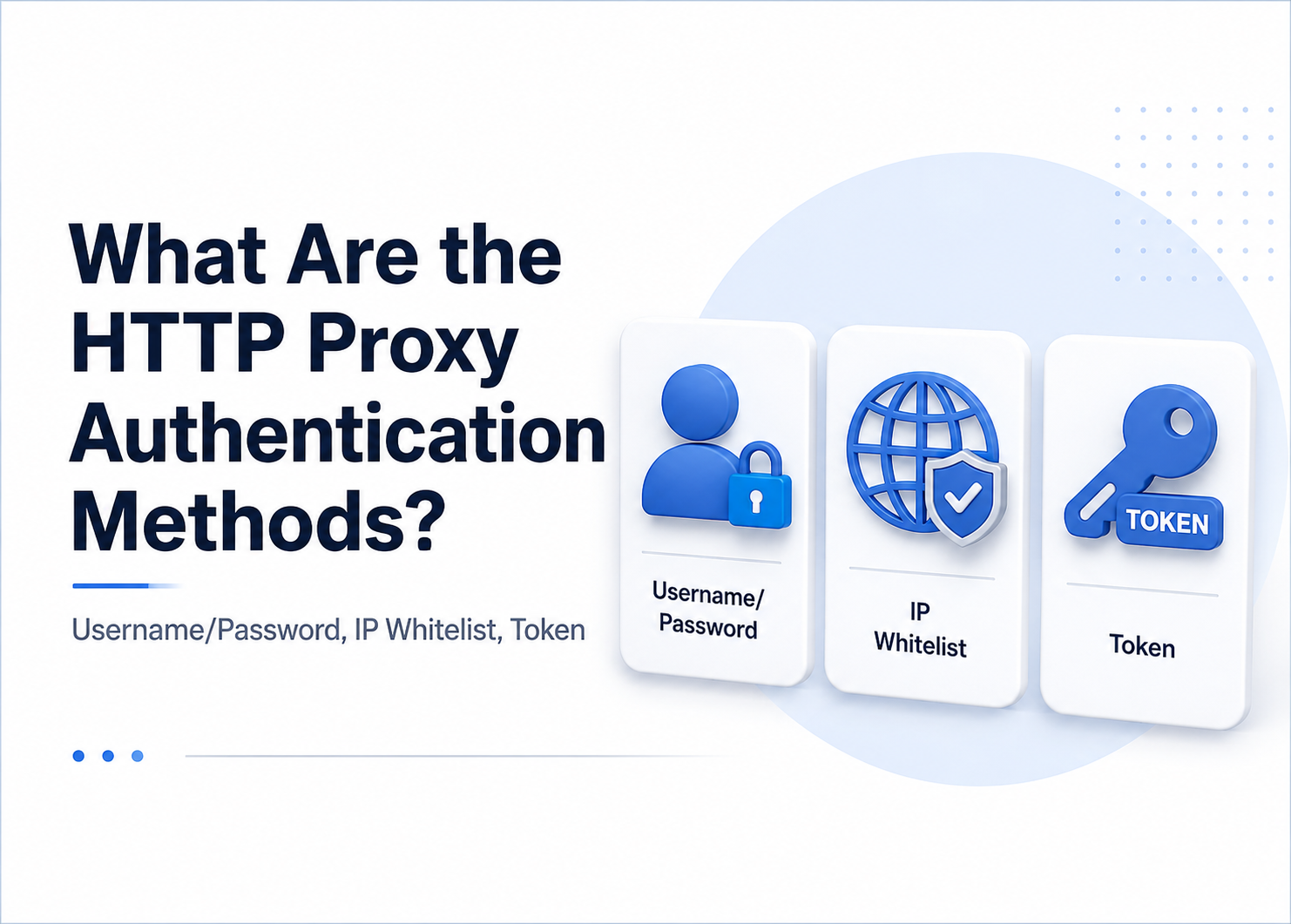
Choosing the right HTTP proxy authentication method isn't just a connection detail — it shapes your integration flexibility, ops cost, and team-level access control.
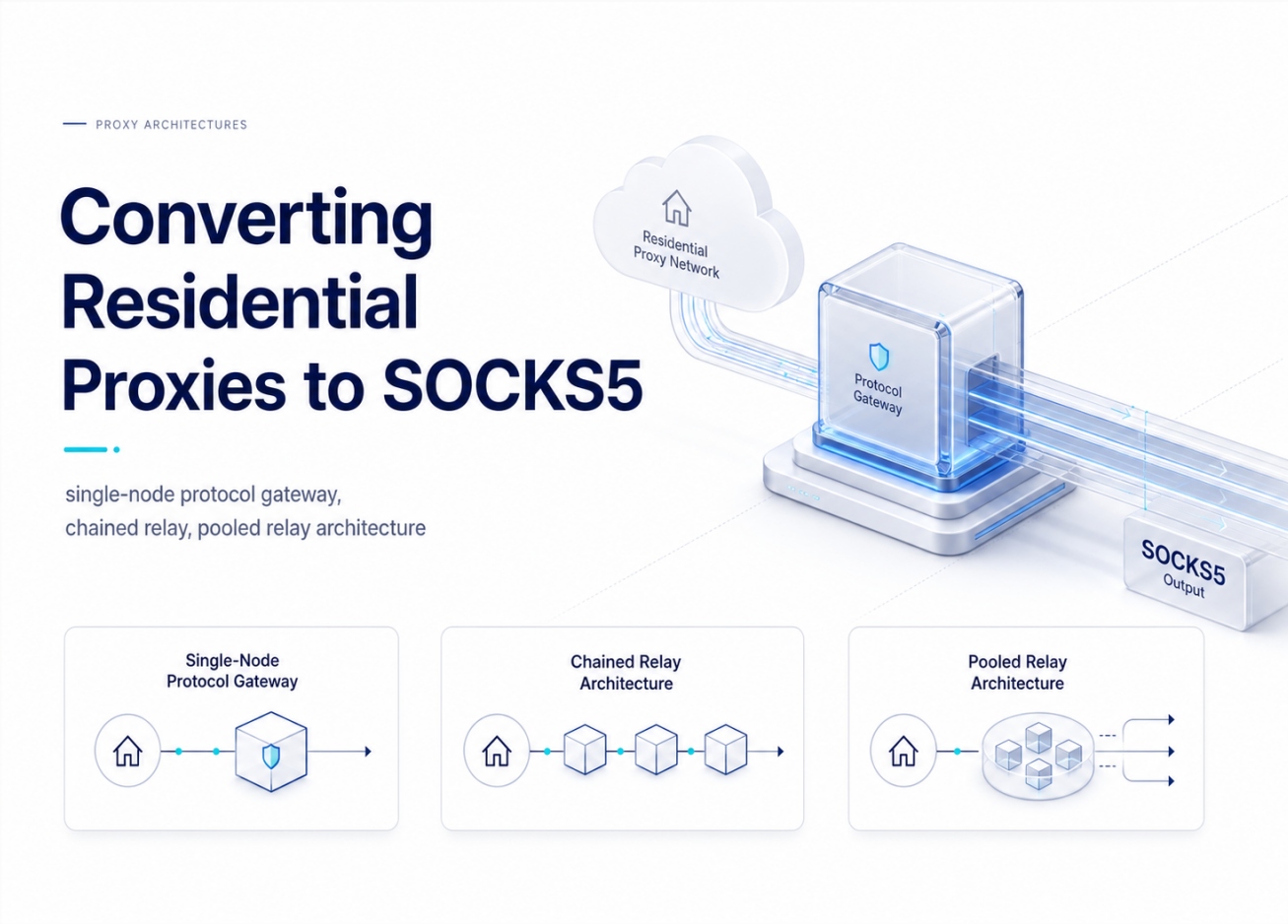
Three approaches to converting HTTP residential proxies into SOCKS5—single-node gateway, chained relay, and pooled architecture—with deployment configs, code examples, and pitfall guidance.
Use Cases2026/07/17 75 Likes 0 Comments 1031 Views
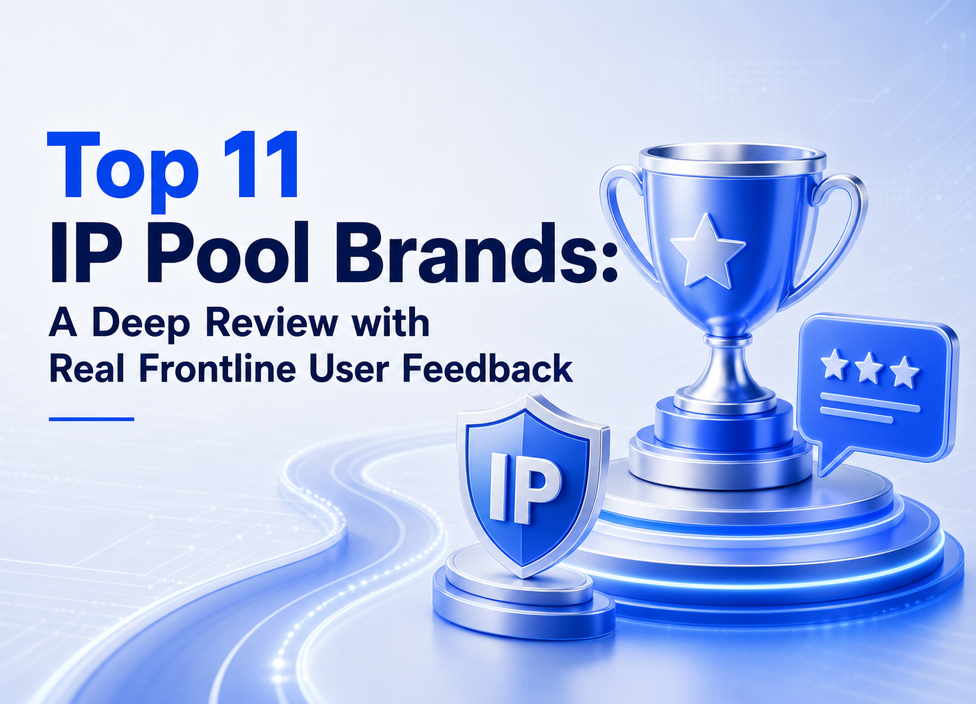
Ranking IP pool brands misses the point. This review sorts 11 providers into five tiers by business constraints — compliance, stability, coverage, and integration — for smarter selection.
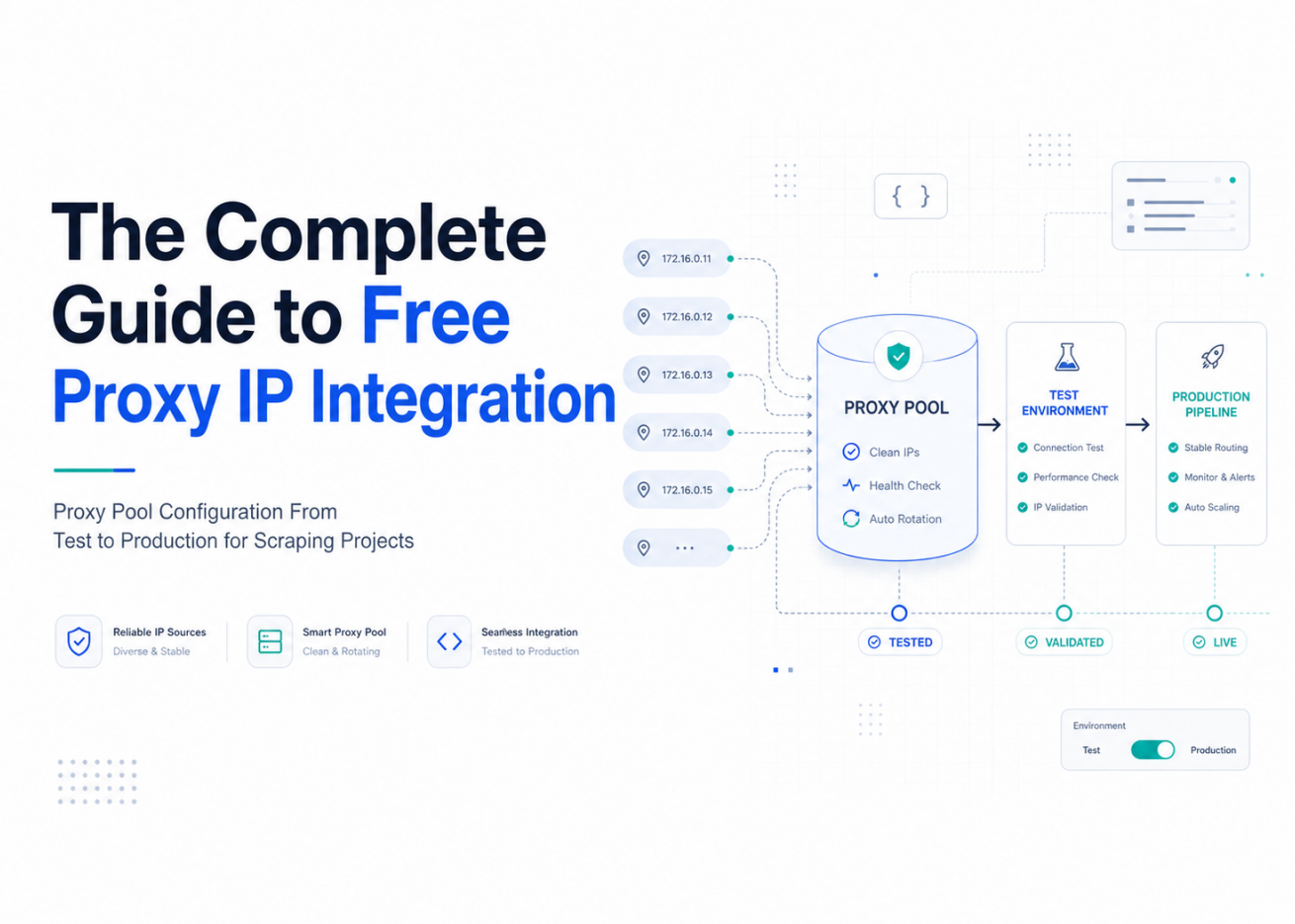
End-to-end guide to integrating free proxy IPs into scraping projects—five engineering problems, rotation strategies, and the test-to-production configuration checklist that avoids launch failures.
Use Cases2026/07/23 66 Likes 0 Comments 1047 Views
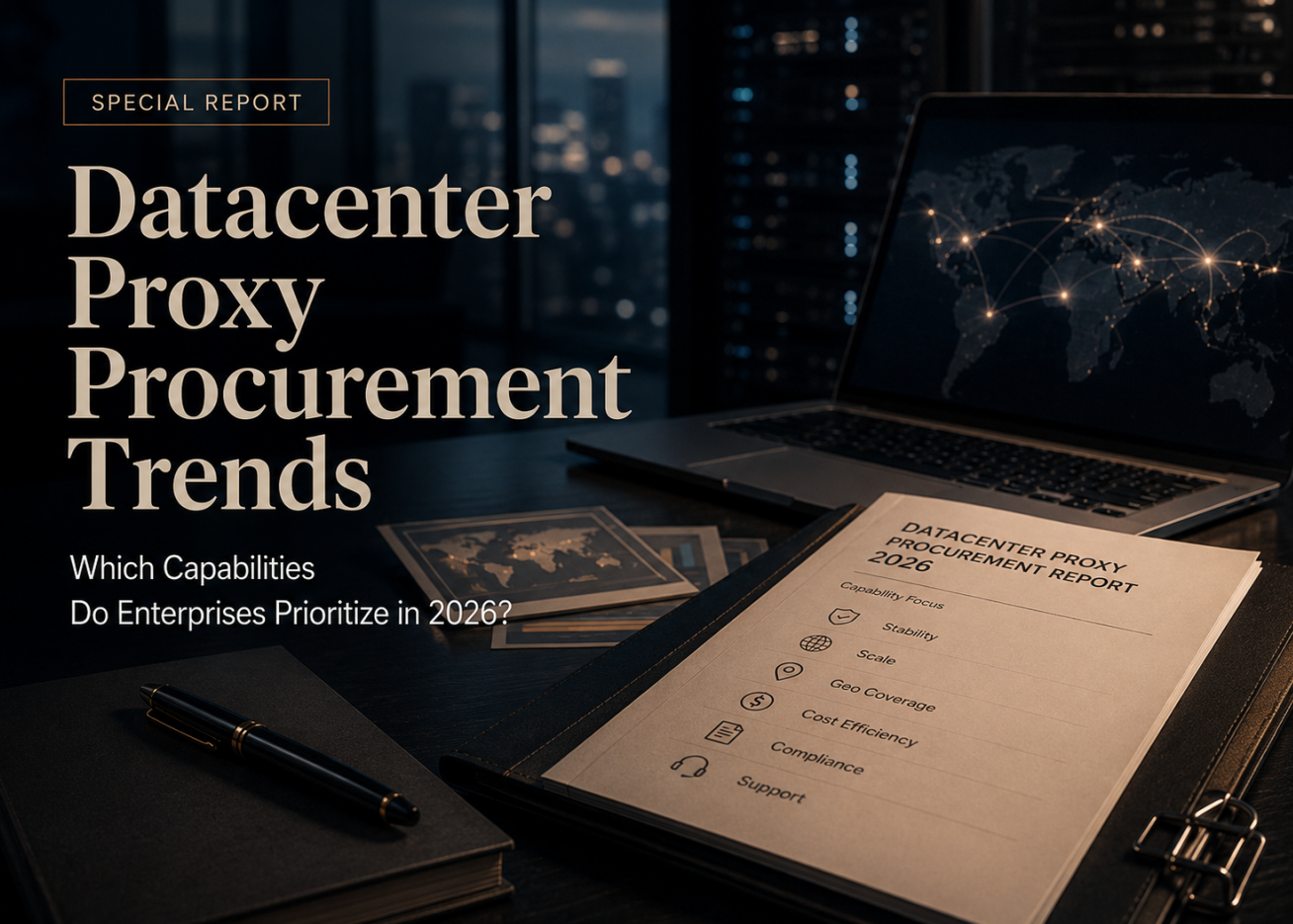
How 2026 datacenter proxy procurement is shifting from spec sheets to four capability dimensions: business isolation, compliance credentials, verifiable SLAs, and cost-structure transparency.
Use Cases2026/07/08 49 Likes 0 Comments 1053 Views
A practical framework for enterprise proxy IP procurement — confirming requirements, screening vendors, running unified tests, defining acceptance criteria, and executing phased rollout with monitoring.