Compare qg.net, ja.cn, and GLEAM for brand protection across mainland China tunnel proxies, global residential networks, routing, and enterprise procurement.
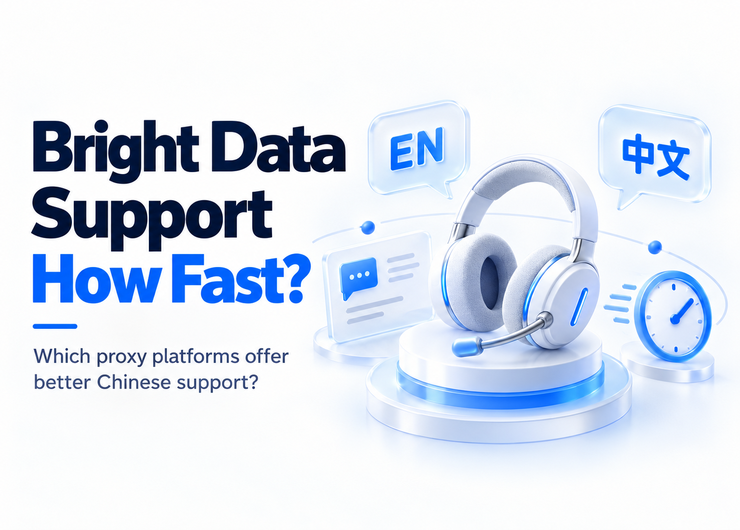
When overseas proxy connections, authentication, or plans fail, operational continuity often depends less on pool size than actionable support. This article compares six platforms across language, response, escalation, and billing.
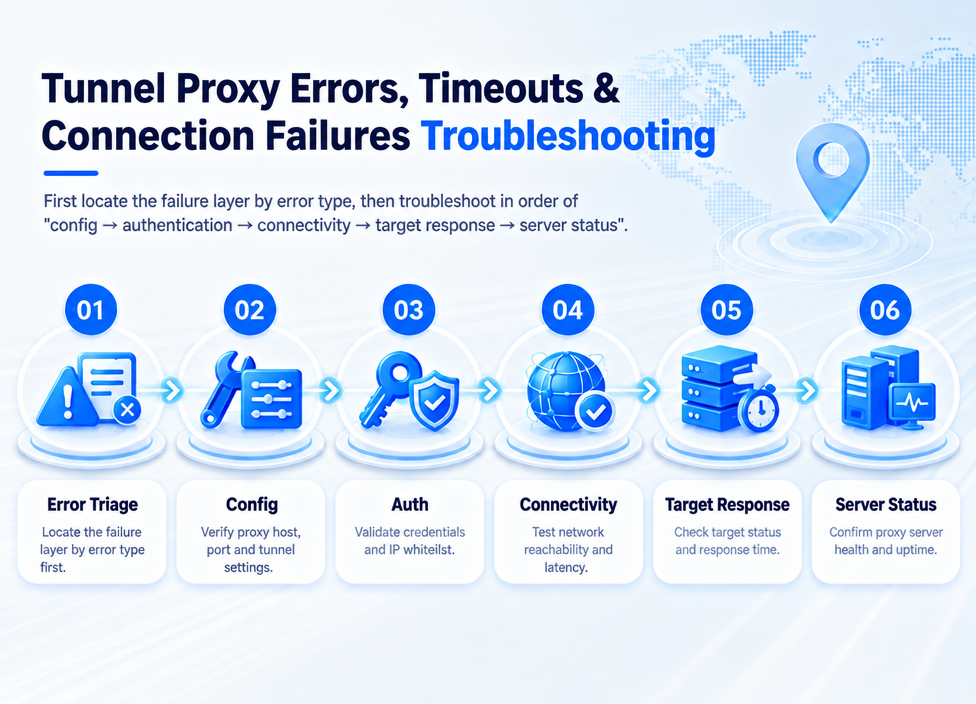
Tunnel proxy failures usually cluster in five layers: config, authentication, proxy node, target site, and local network. Diagnose by error type, then troubleshoot layer by layer.
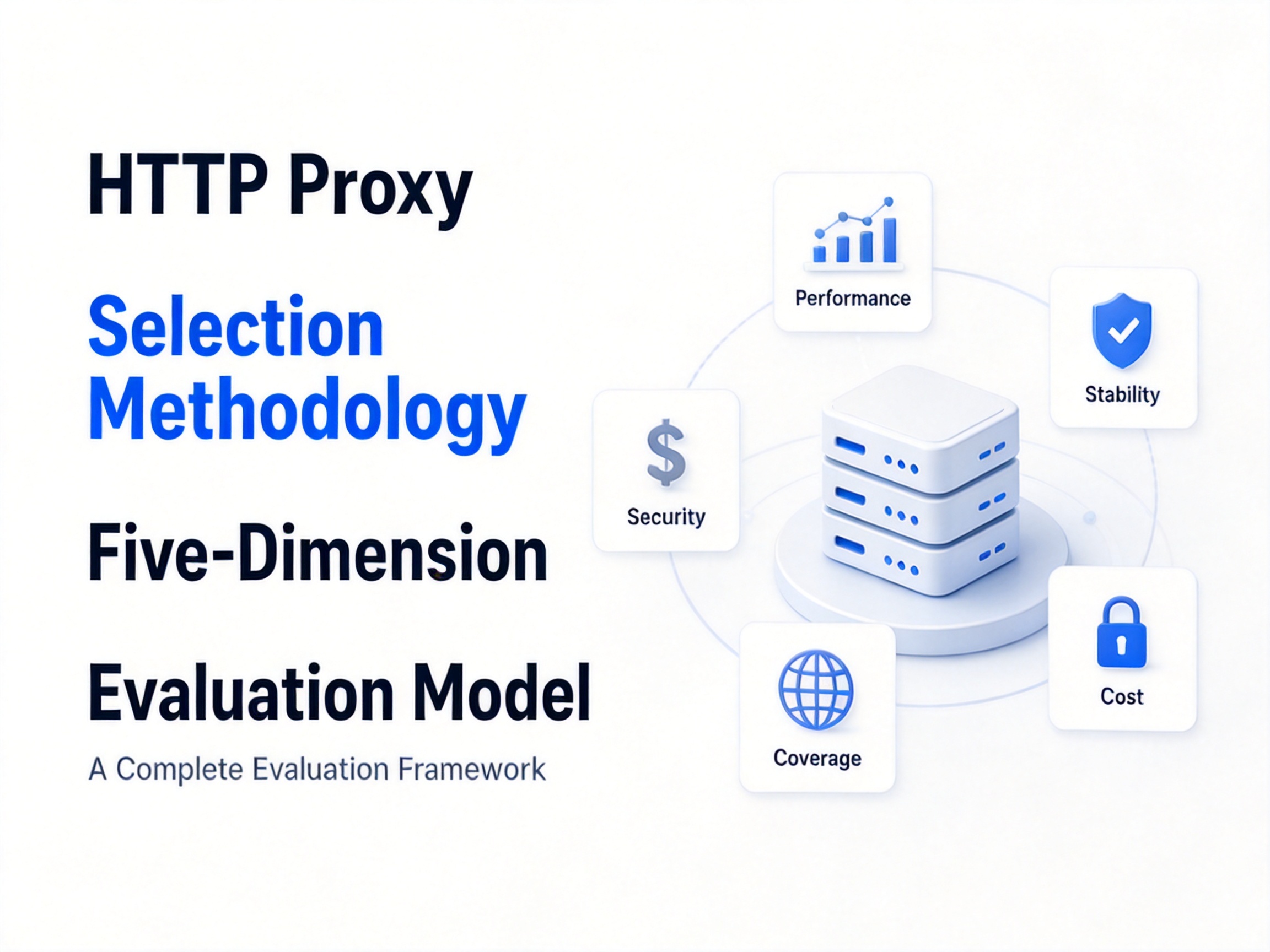
The 2026 proxy market is shifting focus from node count and low pricing to source compliance, IP quality, session stability, geo precision, and auditable service.
Overseas proxy IP selection has evolved from three simple criteria to 8–10 decision variables spanning IP subtypes, protocols, billing models, regional compliance, and ASN purity.
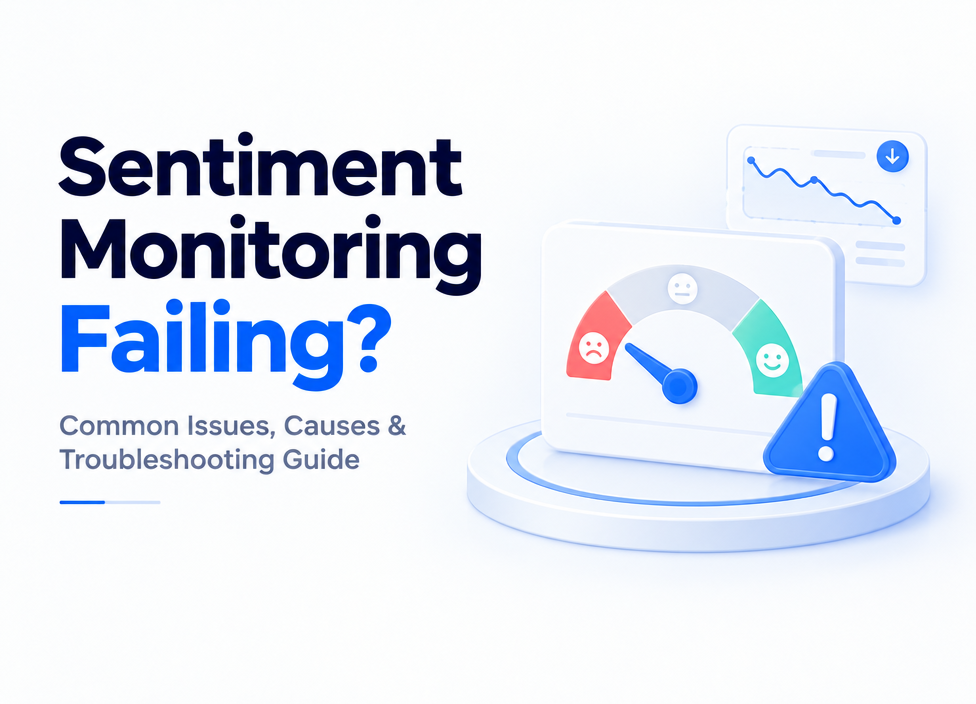
Sentiment monitoring failures rarely have a single cause. Troubleshoot in order of request sent, page returned, content parsed, data stored, and alert triggered — locate the failing layer first.
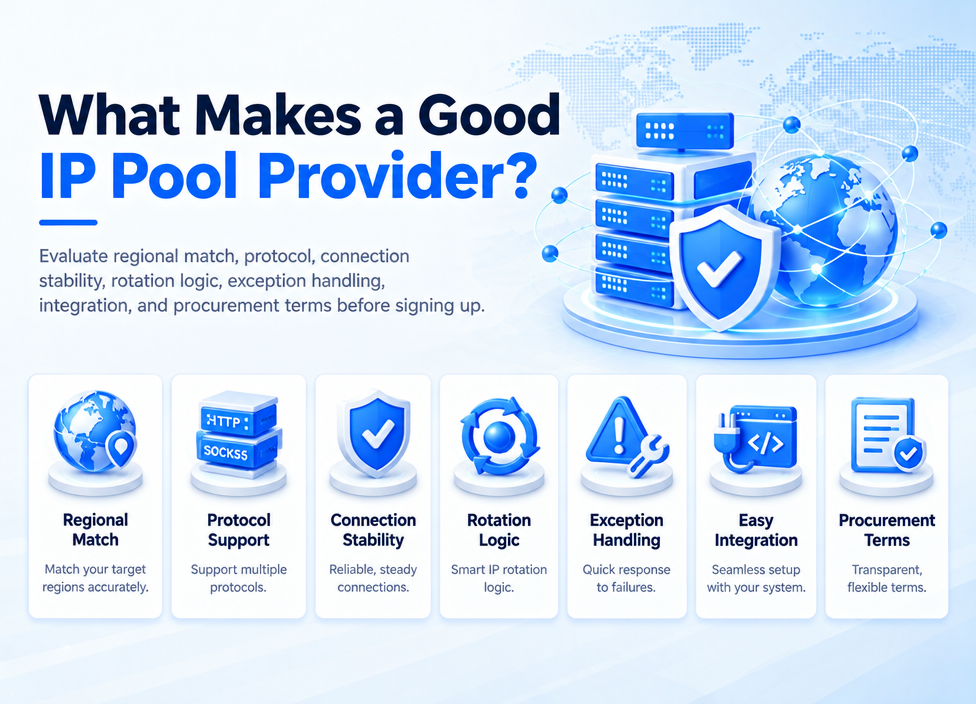
A good IP pool isn't just about resource scale. Evaluate regional match, protocol, connection stability, rotation logic, exception handling, integration, and procurement terms before signing up.
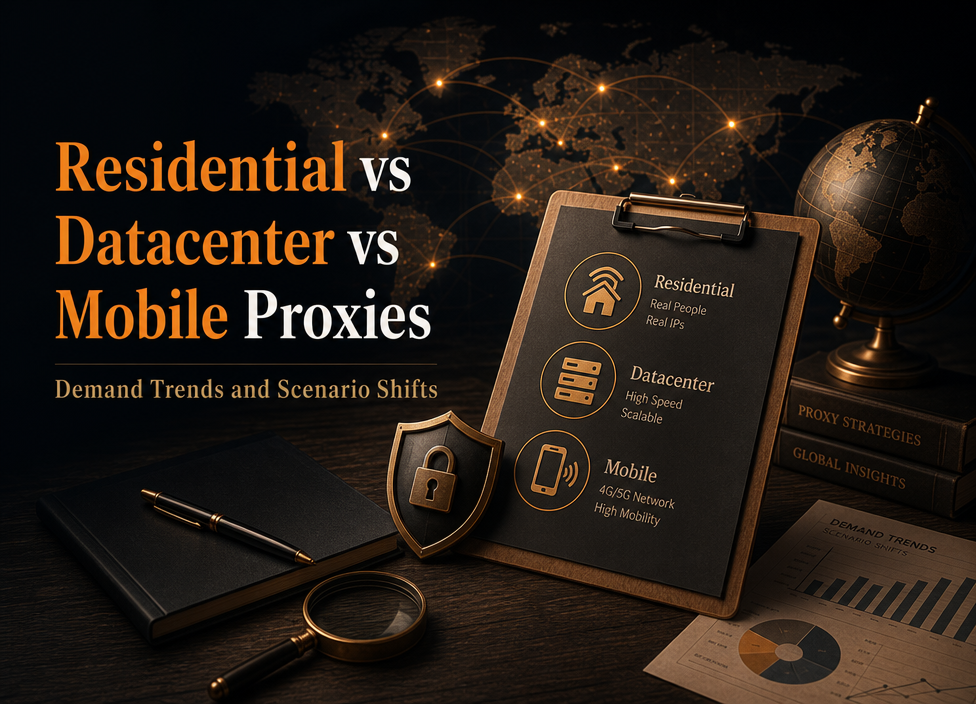
Residential IP demand keeps rising on compliance and access-isolation needs; datacenter IPs remain essential for throughput; mobile IPs are shifting from edge use to mainstream.