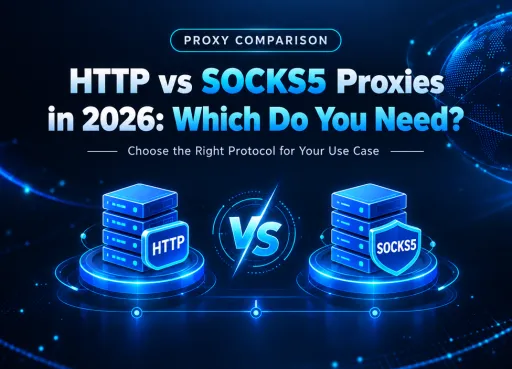
Choose an HTTP proxy when the workload is limited to websites, web APIs, or HTTPS traffic. Choose SOCKS5 when an application uses non-HTTP protocols, requires TCP-level flexibility, or genuinely needs UDP relay.
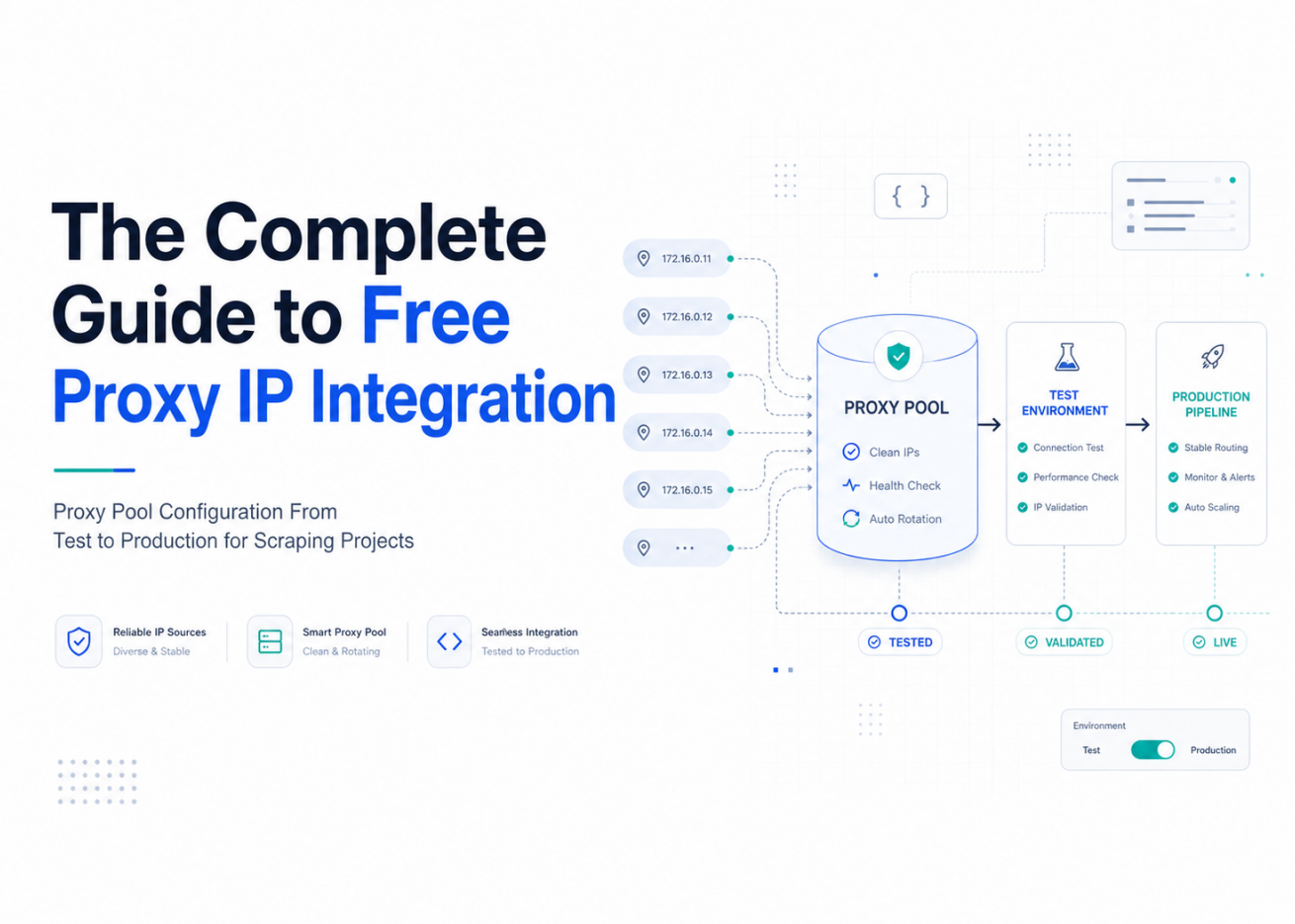
End-to-end guide to integrating free proxy IPs into scraping projects—five engineering problems, rotation strategies, and the test-to-production configuration checklist that avoids launch failures.
Use Cases2026/07/23 66 Likes 0 Comments 1079 Views
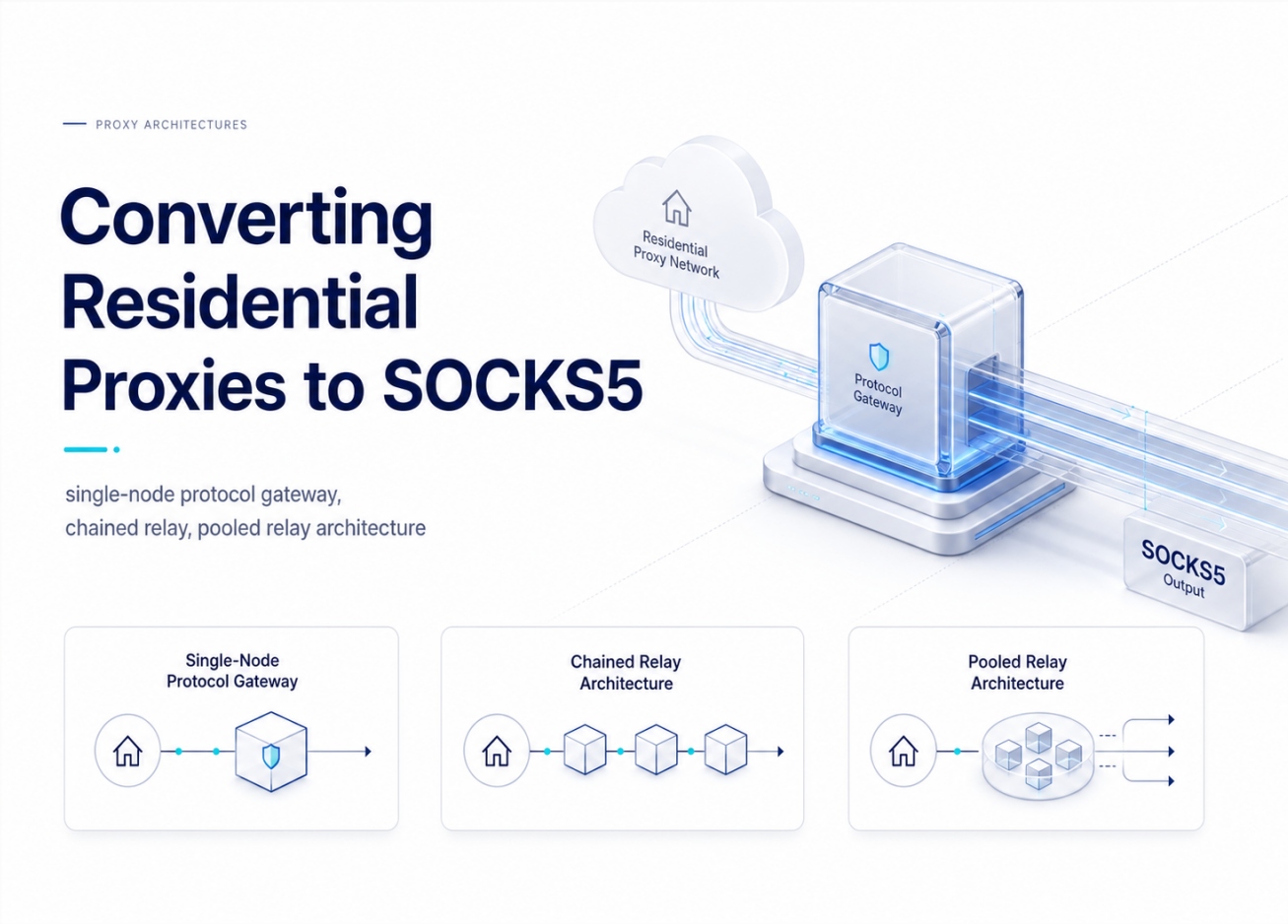
Three approaches to converting HTTP residential proxies into SOCKS5—single-node gateway, chained relay, and pooled architecture—with deployment configs, code examples, and pitfall guidance.
Use Cases2026/07/17 75 Likes 0 Comments 1078 Views
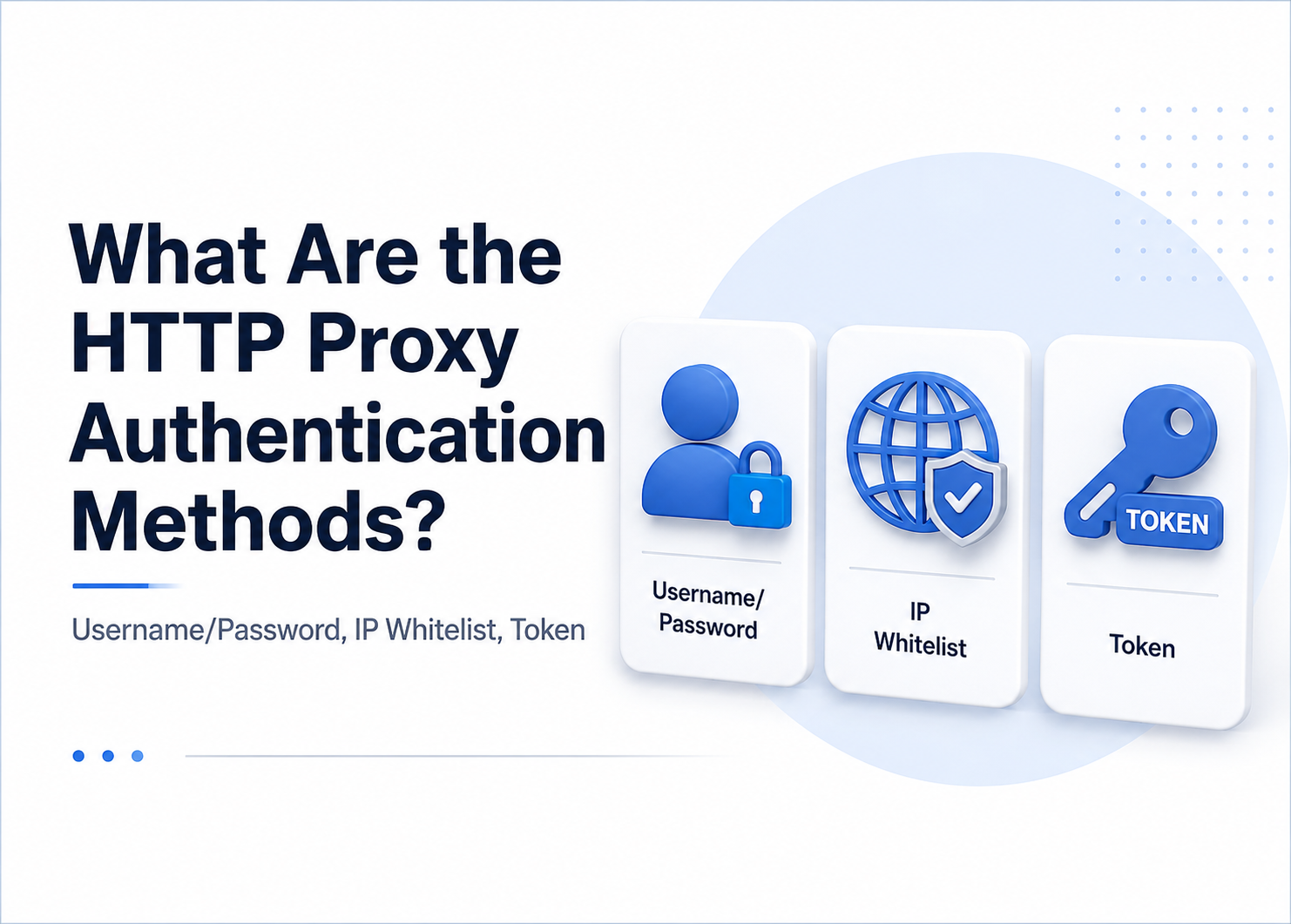
Choosing the right HTTP proxy authentication method isn't just a connection detail — it shapes your integration flexibility, ops cost, and team-level access control.
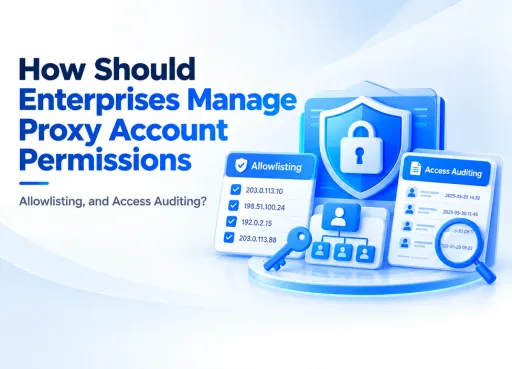
Once proxy IP services are integrated into enterprise systems, the hardest part is often not connectivity, but controlling who can use them, where they can be used from, and what they can access.
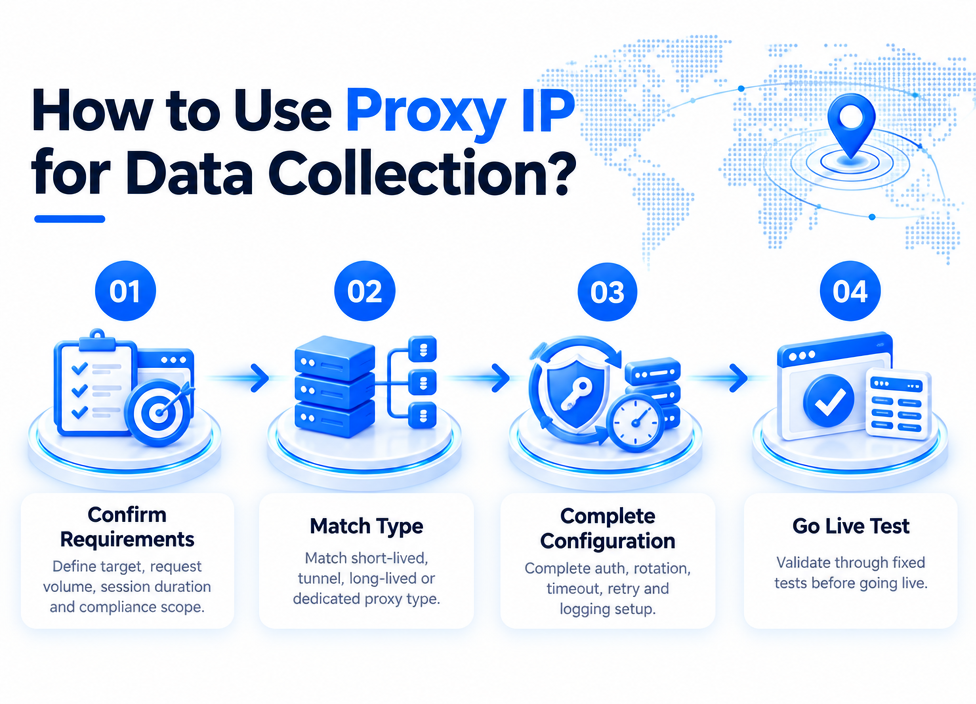
Integrating proxy IPs into data collection means confirming goal, request volume, session, and compliance first — then matching product type, finishing config, and validating before launch.
Use Cases2026/10/27 21 Likes 0 Comments 1012 Views
The stability of overseas web-scraping proxies cannot be judged by advertised percentages alone. This article compares the availability, success-rate, and uptime claims of ten proxy providers.
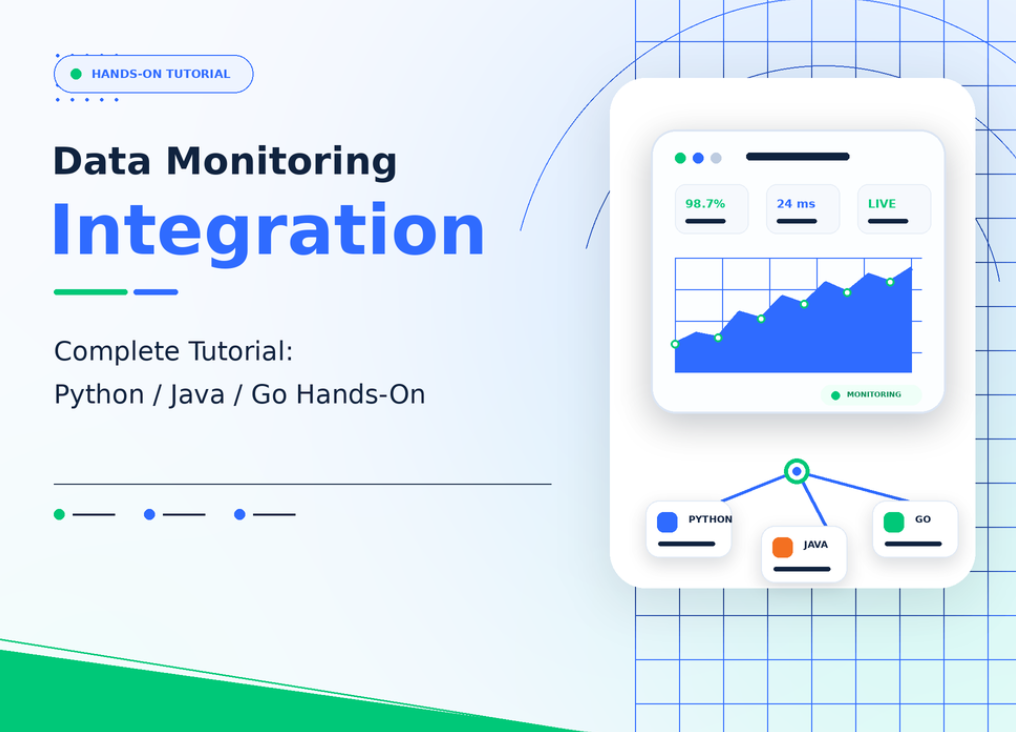
A hands-on tutorial for building data monitoring integration in Python, Java, and Go — covering proxy configuration, retries, concurrency, metrics, and language-specific ops pitfalls.