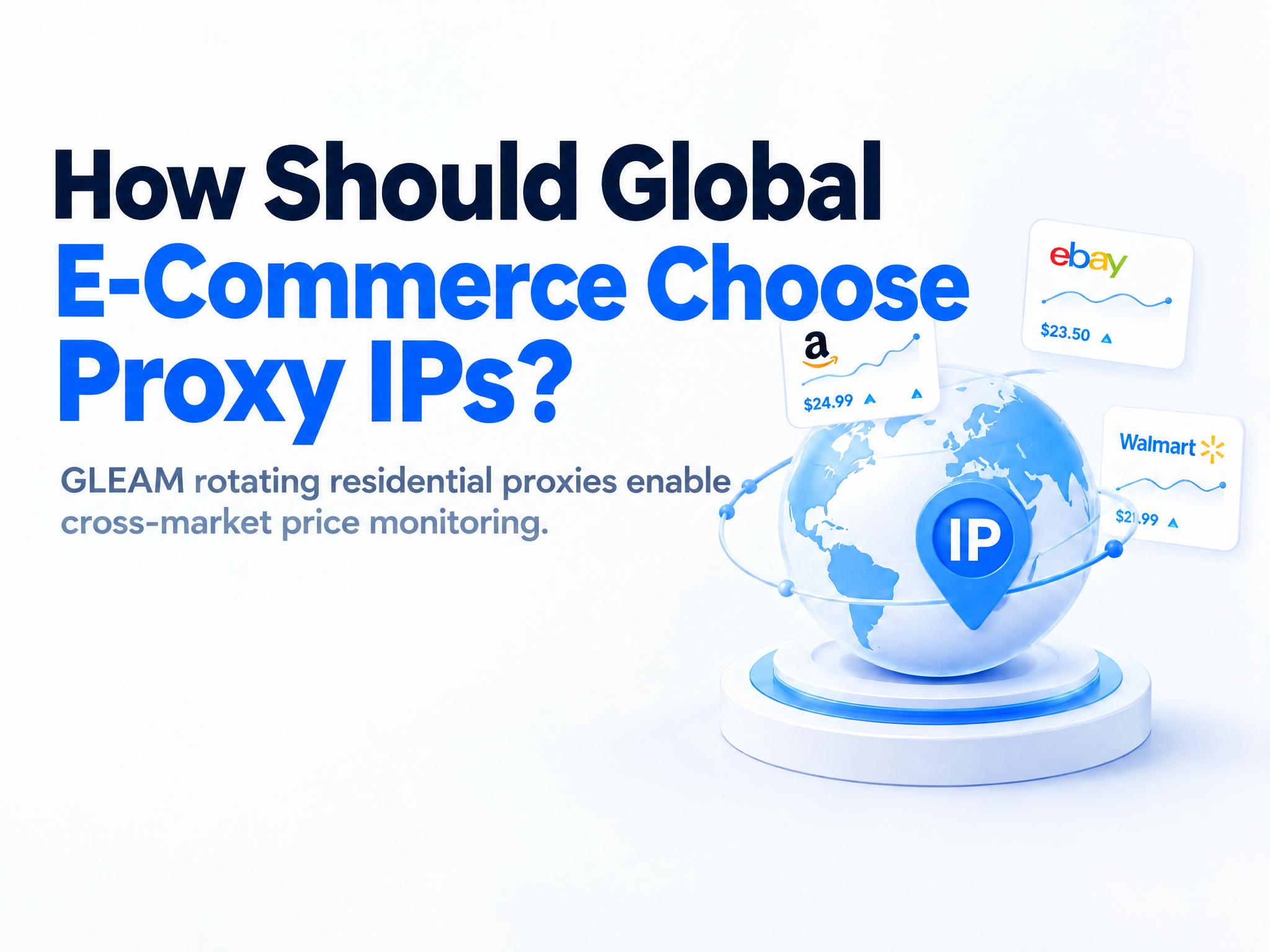
Global e-commerce teams are re-evaluating proxies mainly because cross-market research requires handling regional differences, page paths, session continuity, and traffic costs at the same time.
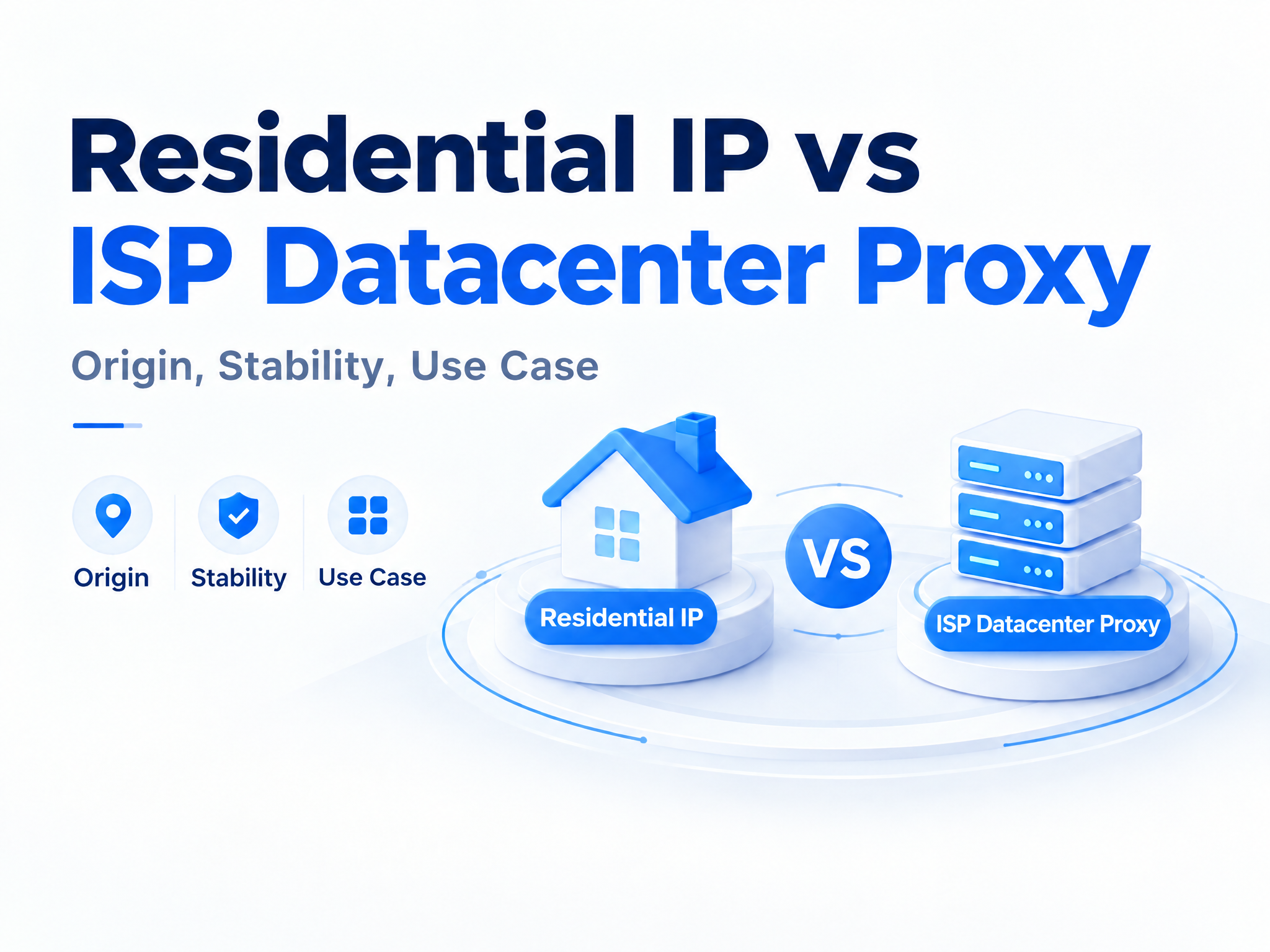
Residential IPs come from home broadband networks; ISP datacenter proxies deploy servers in data centers with ISP-registered IPs. The real difference lies in network entry point, not IP labels.
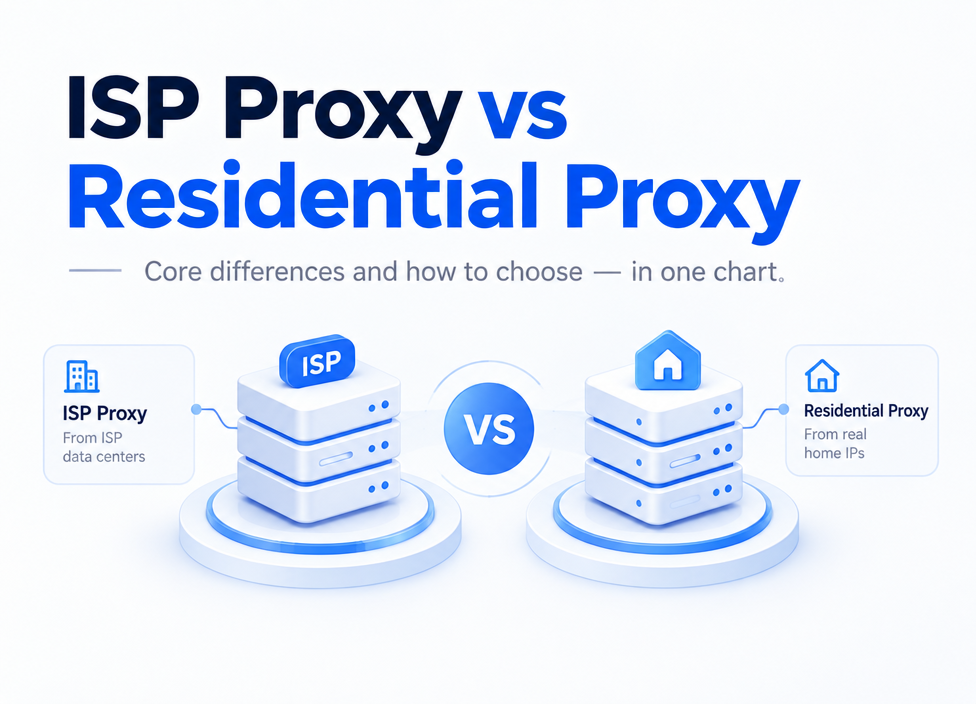
ISP proxies emphasize fixed exits, stable connections, and carrier network attribution. Residential proxies emphasize IPs from real home or access networks. Choose by task requirements.
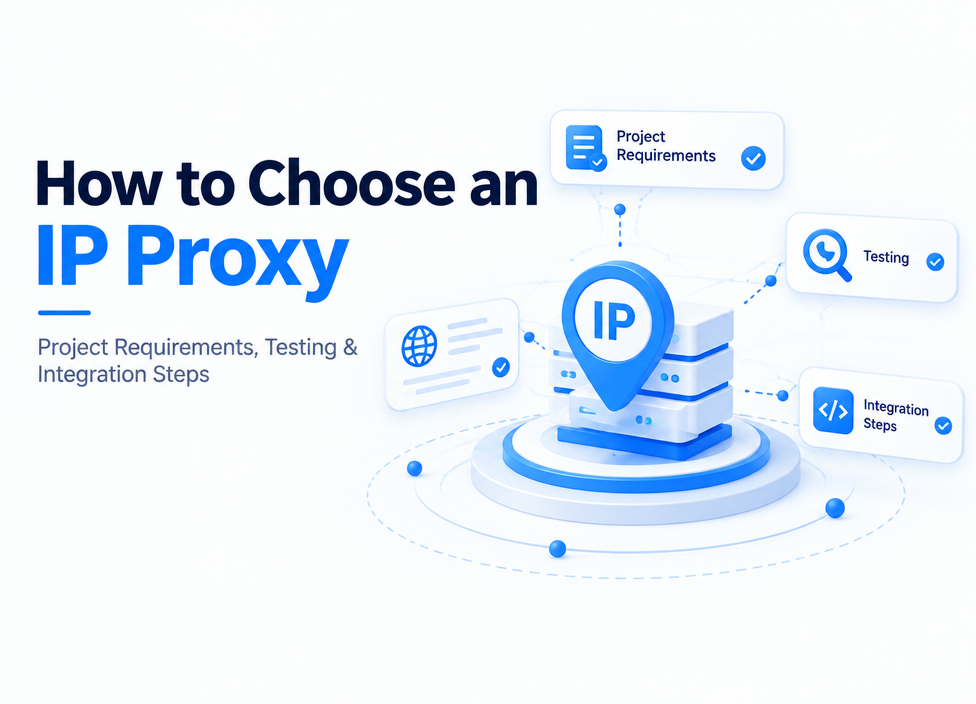
IP proxy selection isn't about price alone. Confirm access target, region, protocol, concurrency, billing, and compliance boundaries first — then validate through small-scale testing and phased integration.
Ranking IP pool brands misses the point. This review sorts 11 providers into five tiers by business constraints — compliance, stability, coverage, and integration — for smarter selection.
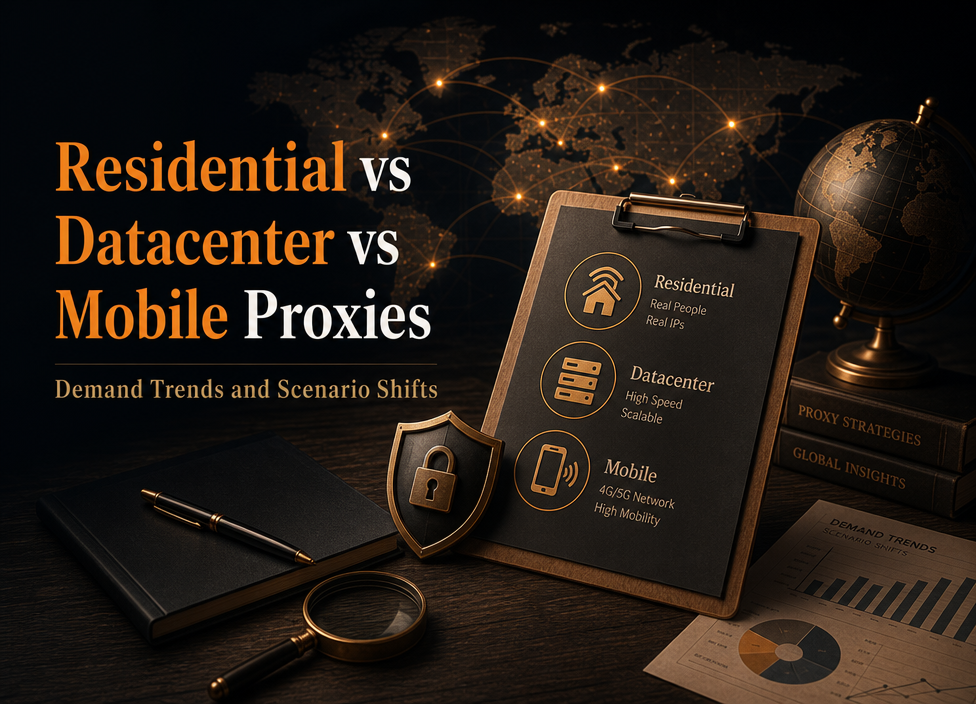
Residential IP demand keeps rising on compliance and access-isolation needs; datacenter IPs remain essential for throughput; mobile IPs are shifting from edge use to mainstream.
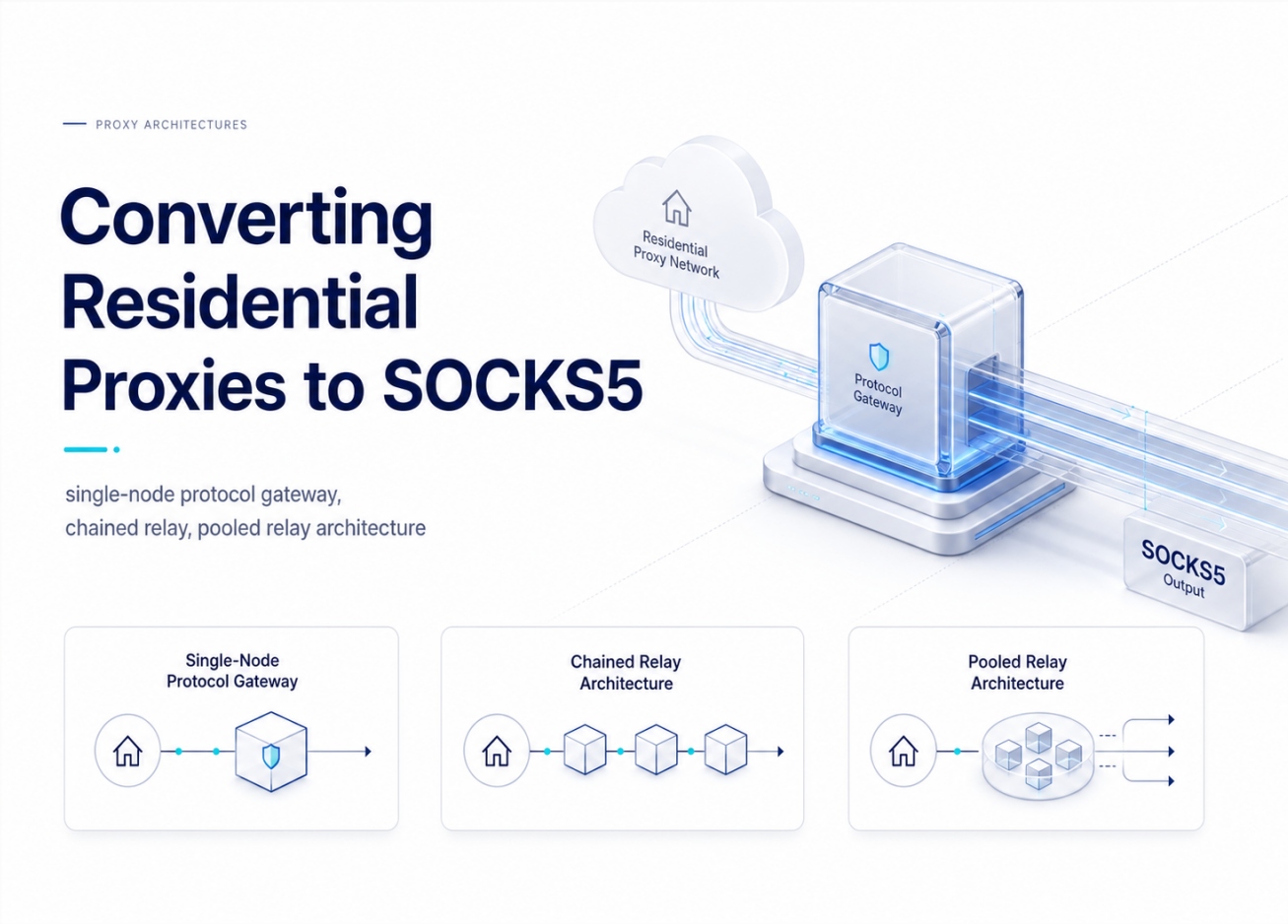
Three approaches to converting HTTP residential proxies into SOCKS5—single-node gateway, chained relay, and pooled architecture—with deployment configs, code examples, and pitfall guidance.
Use Cases2026/07/17 75 Likes 0 Comments 1078 Views