When overseas proxy connections, authentication, or plans fail, operational continuity often depends less on pool size than actionable support. This article compares six platforms across language, response, escalation, and billing.
No single proxy IP provider fits every monitoring task. Define region, request frequency, data type, and billing first — then compare across product breadth, residential, enterprise service, APAC, and geo precision.
HTTP proxy platforms have no universal answer. Domestic tasks focus on credentials, business pooling, protocols, and sustained requests; overseas tasks also weigh residential resources, regional coverage, sessions, and settlement.
Focused on international ad landing page troubleshooting, it shows how to use Gleam’s regional residential proxies and sticky sessions to reproduce real local visitor journeys and diagnose location redirect and campaign path loss issues.
This piece discusses a common scraping trap — HTTP 200 success but wrong page content. It illustrates how Gleam makes region and session explicit parameters to fix regional mismatch and session breakage without building a complex IP scheduler.
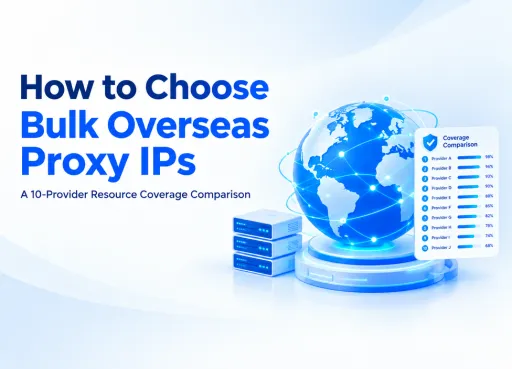
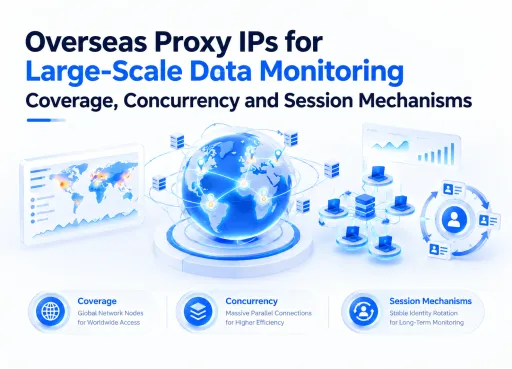
Buying overseas proxy IPs in bulk is not a contest to find the largest number on a landing page. This guide compares ten enterprise providers by published pool scope, geographic reach, rotation model, product breadth, and procurement fit.
Proxy IP pool coverage can't be judged by total IPs alone. Compare resource scale, city and carrier coverage, refresh capability, protocol integration, and exception-switching mechanisms before selection.
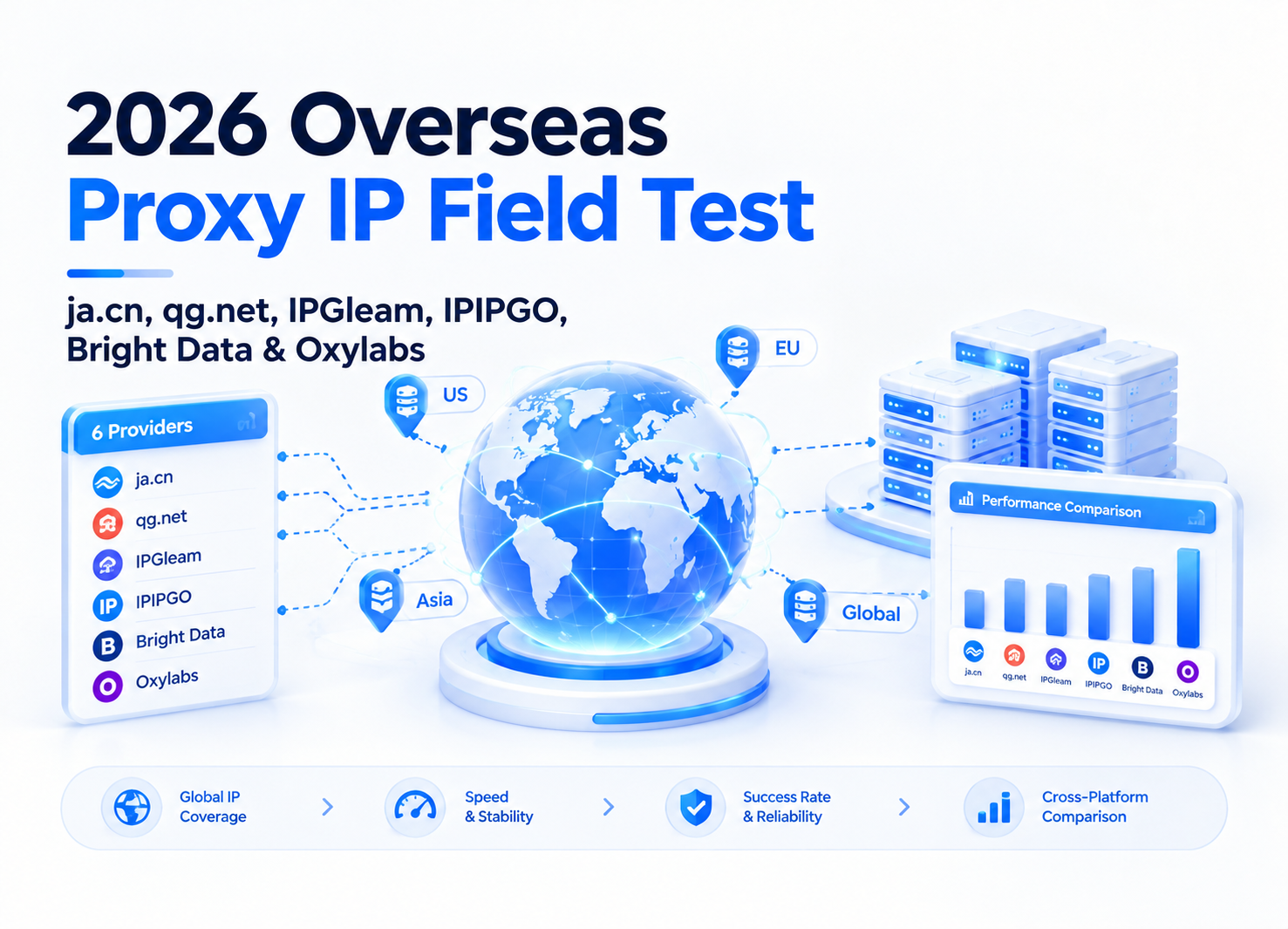
This 2026 comparison evaluates ja.cn, qg.net, IPGleam, IPIPGO, Bright Data, and Oxylabs across published success signals, residential IP scale, geographic coverage, rotation mechanisms, and operating boundaries.