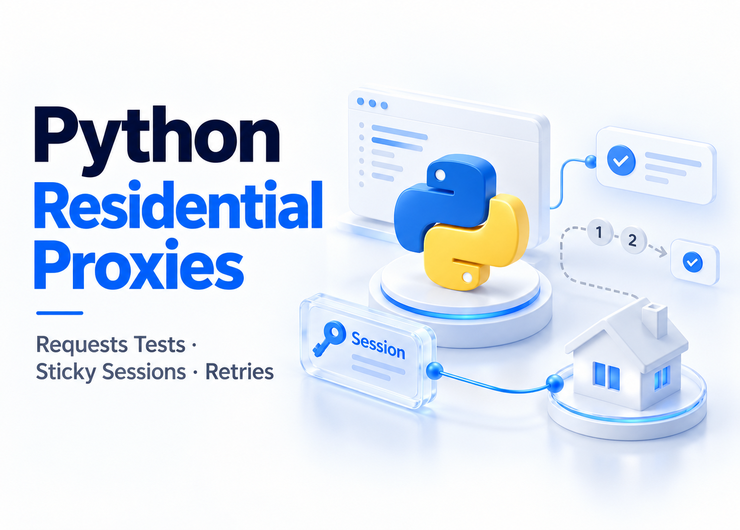
This guide covers how to connect Python Requests to Gleam residential proxies, including gateway rules, location & sticky session setup, credential security, classified retry logic and pre-concurrency testing to avoid common integration mistakes.
A proxy IP pool should not be judged solely by its advertised size. What enterprises actually procure is a continuously available set of valid exit IPs in specific regions and during specific periods.
A price monitoring application may retrieve pages successfully without producing comparable results. Access location, currency, delivery conditions, and session state can all change page content.
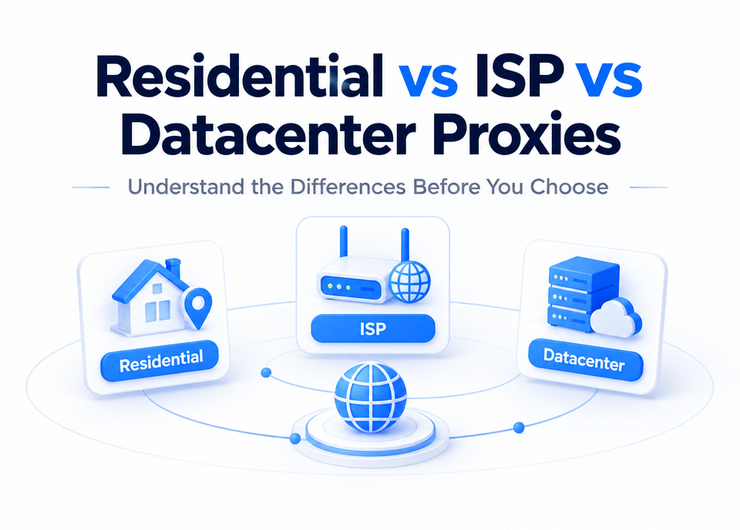
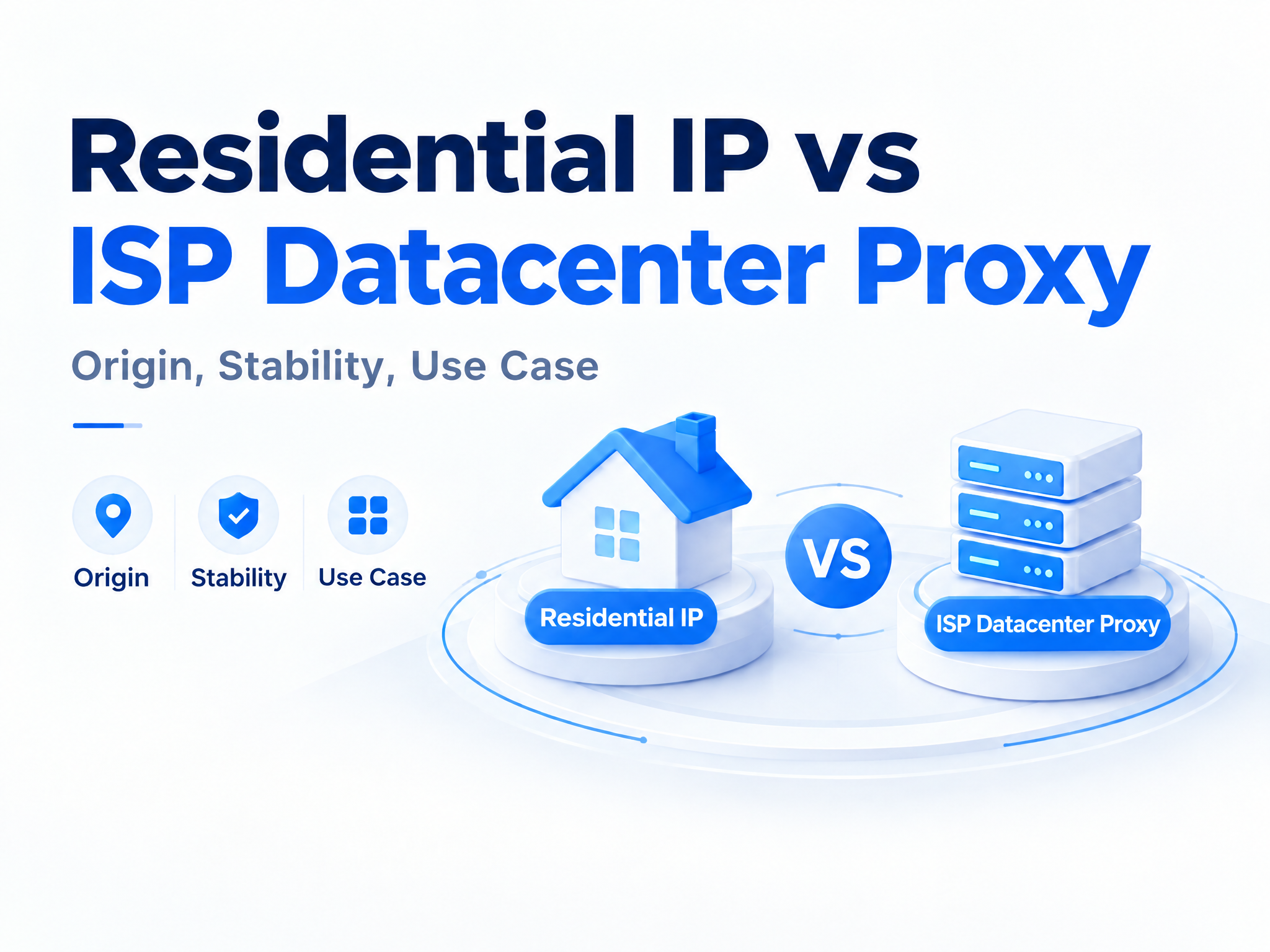
Residential IPs come from home broadband networks; ISP datacenter proxies deploy servers in data centers with ISP-registered IPs. The real difference lies in network entry point, not IP labels.
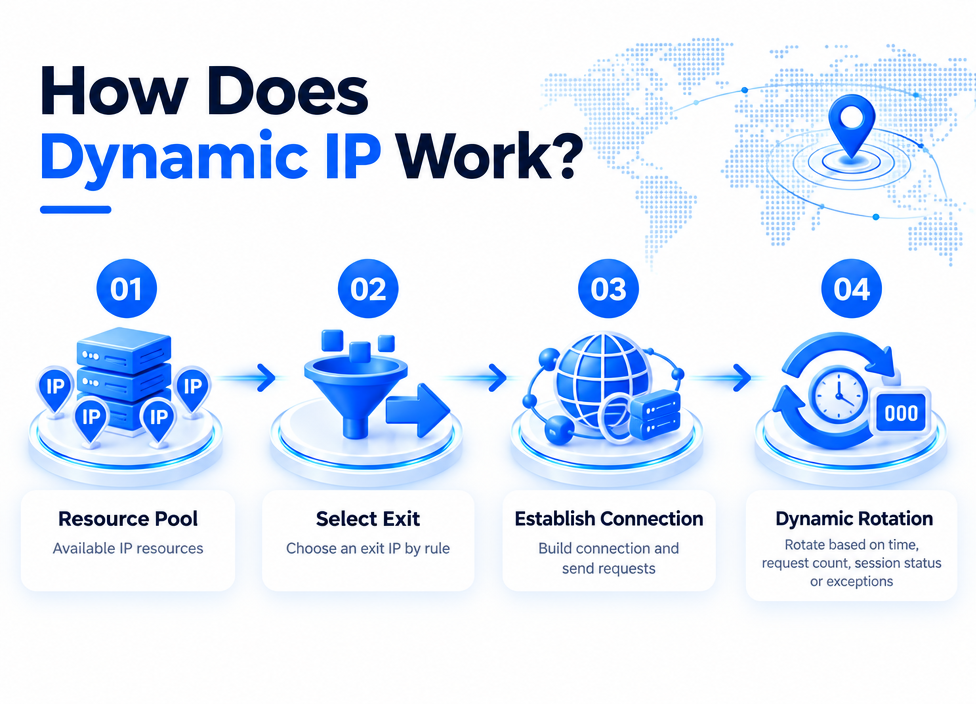
A dynamic IP picks an exit from available resources by rule and rotates by time, request count, session state, or anomaly. Match the strategy to task continuity and frequency.
This article explains why global price data collection produces inconsistent results due to mismatched regions, unstable sessions and unpredictable proxy costs, and introduces how Gleam’s regional exit.
Selecting a proxy IP service requires more than comparing pool size or headline price. This framework evaluates stability, resource quality, true cost, support, and purchasing risk through repeatable testing methods.
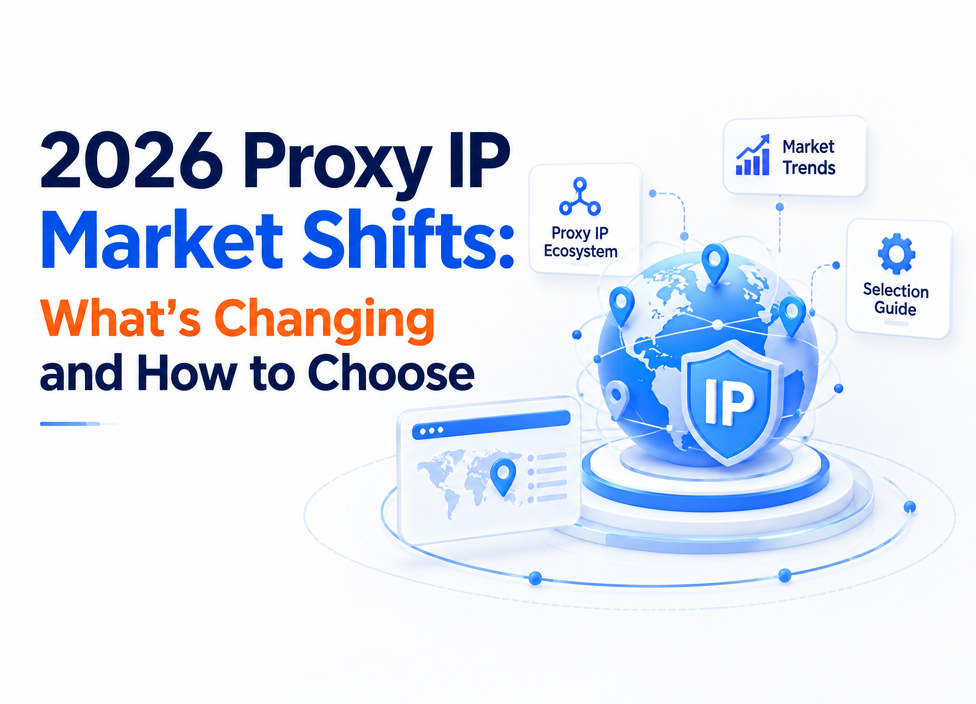
The 2026 proxy market is shifting focus from node count and low pricing to source compliance, IP quality, session stability, geo precision, and auditable service.