A residential IP is a public IP tied to home broadband or residential networks. It helps verify regional content, cross-border e-commerce pages, ads, and localization — but it isn't a universal fix.
Residential IPs come from home broadband or mobile networks and better match real resident access environments. They suit regional content testing, public data scraping, ad verification, and cross-region business checks.
After a week of running the same script, tunnel proxy differences can't be judged by average latency alone. Compare P95, success rate, timeouts, errors, and peak variance.
Use Cases2026/10/16 100 Likes 0 Comments 646 Views
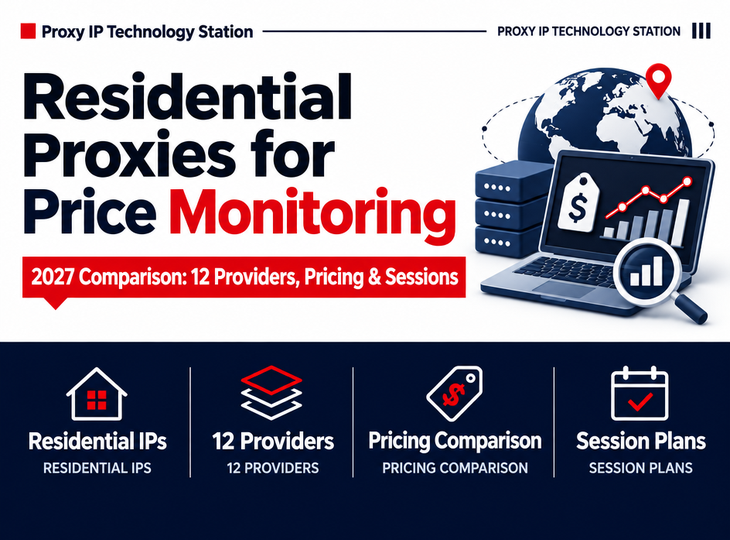
When choosing a residential proxy pool, start with geography, sessions, rotation, and IP reuse controls. Providers serve different needs, so do not judge them solely by IP pool size or price per GB.
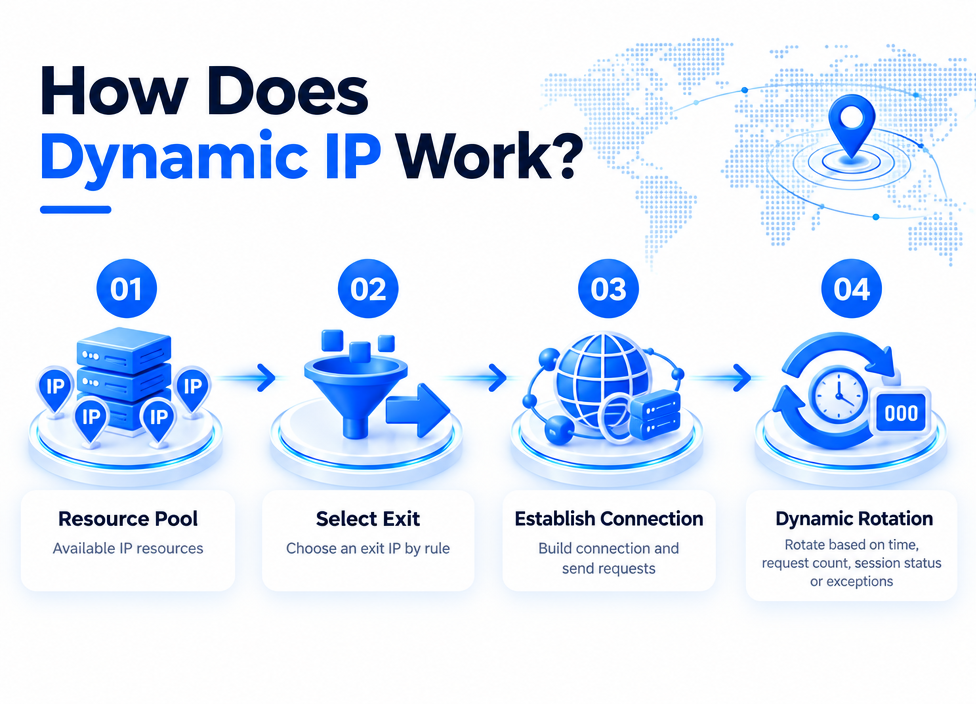
A dynamic IP picks an exit from available resources by rule and rotates by time, request count, session state, or anomaly. Match the strategy to task continuity and frequency.
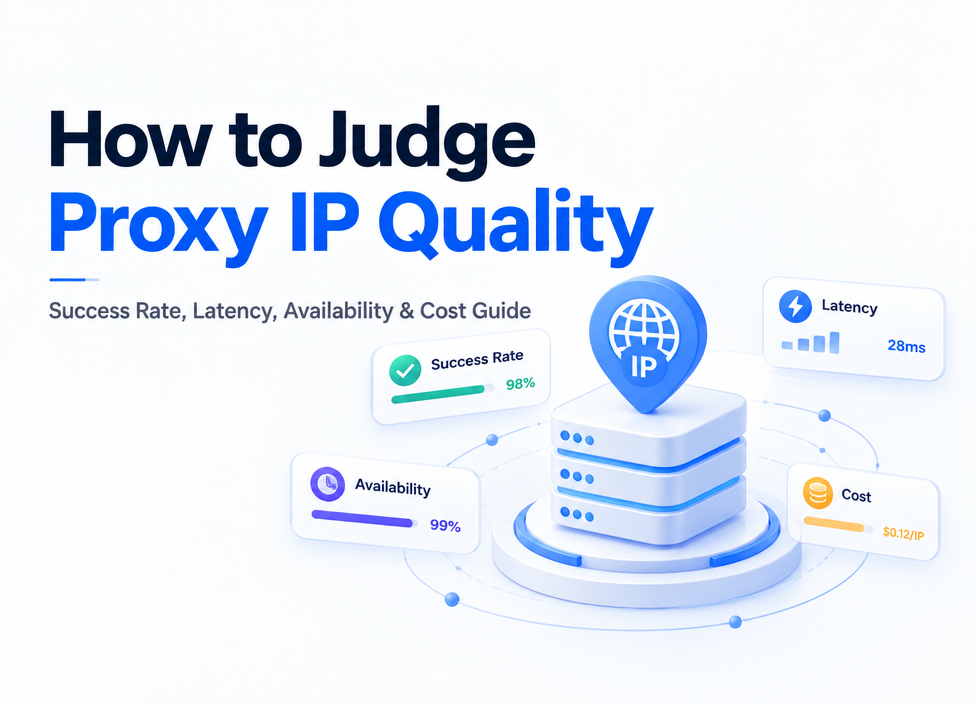
Proxy IP quality can't be judged on a single metric. Under unified test conditions, observe success rate, latency percentiles, IP availability, and effective cost together against business goals.