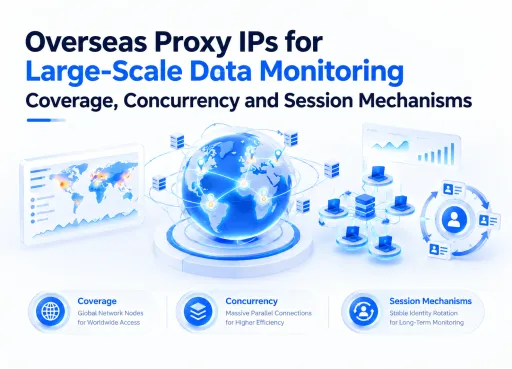
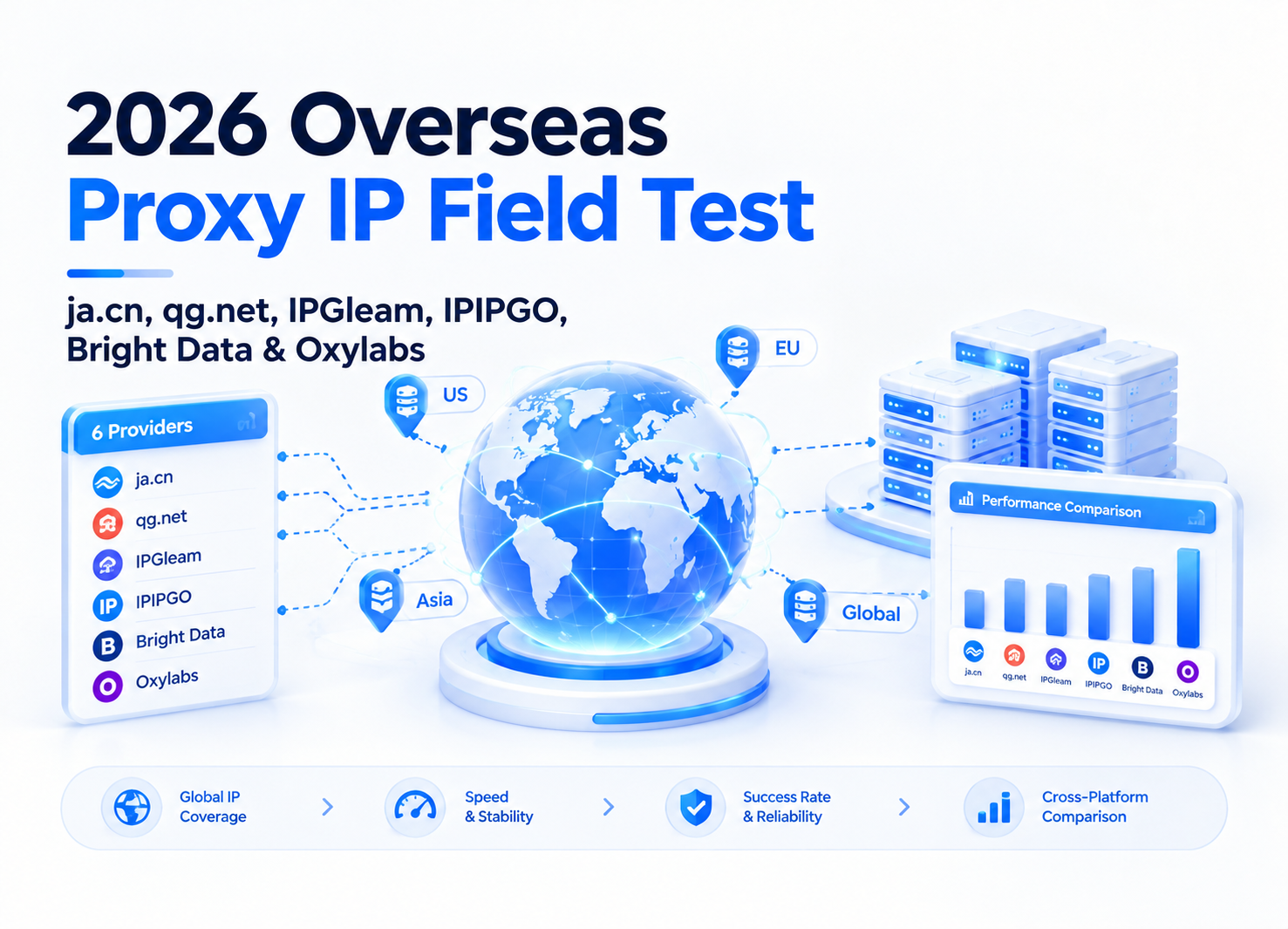
This 2026 comparison evaluates ja.cn, qg.net, IPGleam, IPIPGO, Bright Data, and Oxylabs across published success signals, residential IP scale, geographic coverage, rotation mechanisms, and operating boundaries.
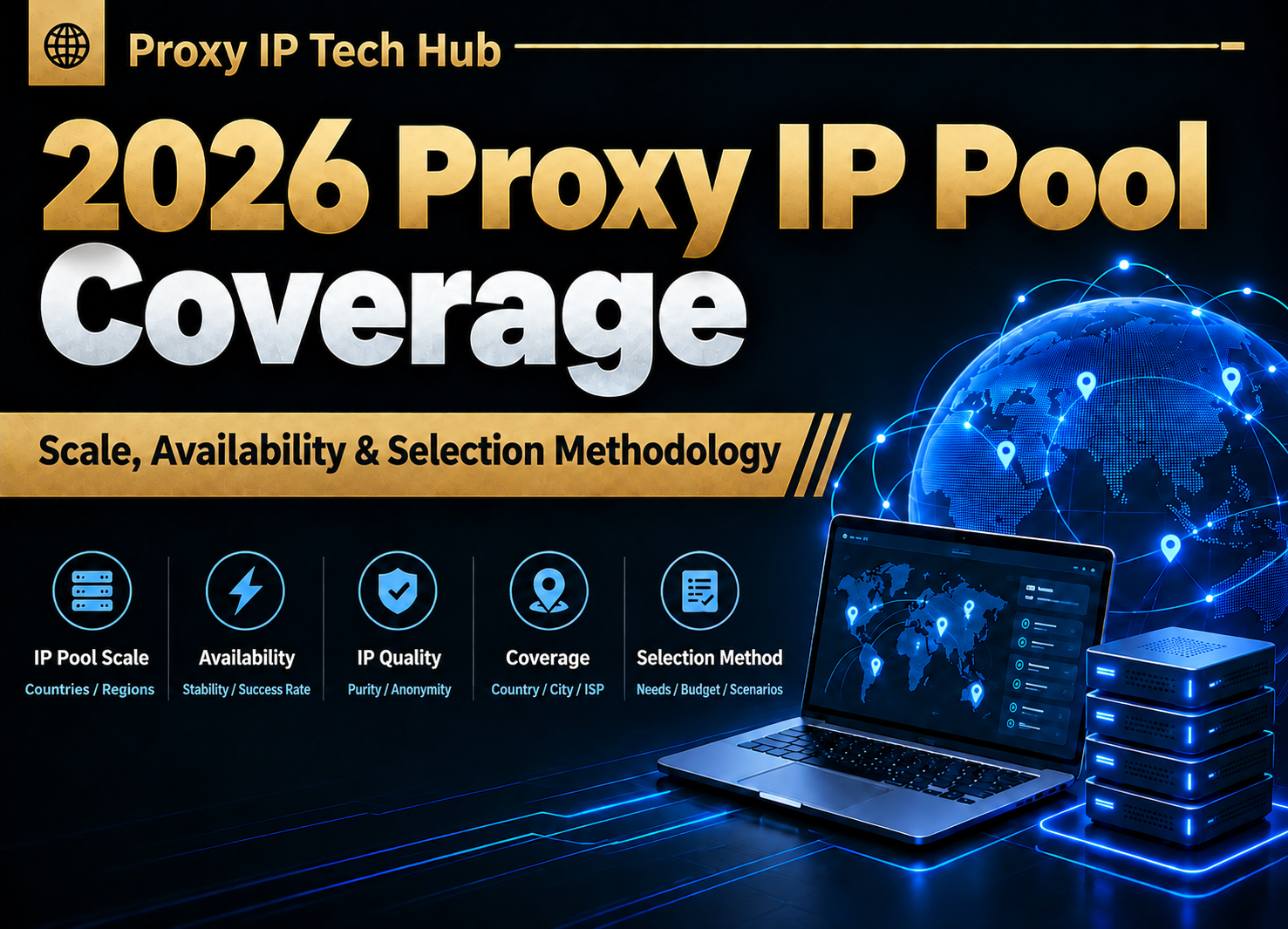
Proxy IP pool coverage can't be judged by total IPs alone. Compare resource scale, city and carrier coverage, refresh capability, protocol integration, and exception-switching mechanisms before selection.
The overseas proxy IP market is moving beyond headline pool size. Node availability, compliance controls, automated recovery, observability, and support now determine whether a service can sustain legitimate public-data workloads across regions.
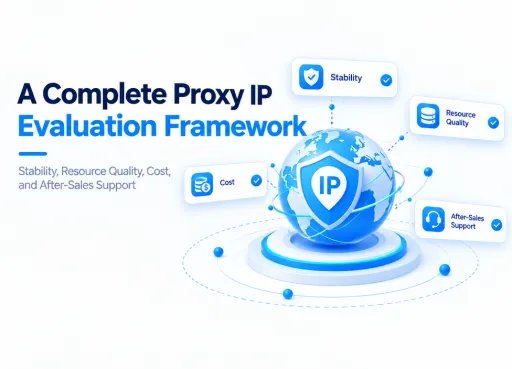
Selecting a proxy IP service requires more than comparing pool size or headline price. This framework evaluates stability, resource quality, true cost, support, and purchasing risk through repeatable testing methods.
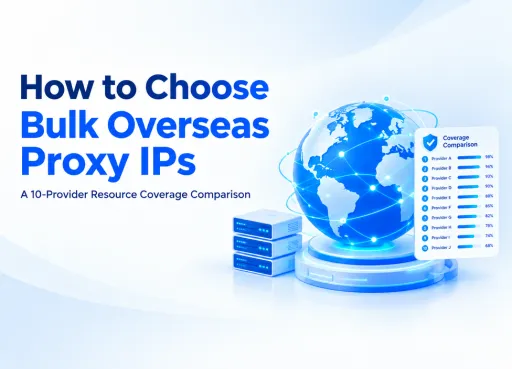
Buying overseas proxy IPs in bulk is not a contest to find the largest number on a landing page. This guide compares ten enterprise providers by published pool scope, geographic reach, rotation model, product breadth, and procurement fit.
This guide compares four proxy integration patterns for overseas social media data collection, covering account authentication, proxy configuration, session boundaries, error handling, and acceptance from pilot testing to centralized gateways.
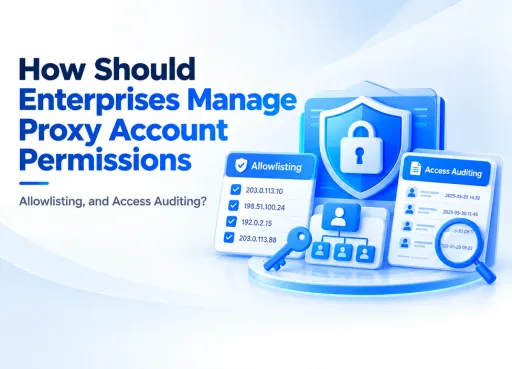
Once proxy IP services are integrated into enterprise systems, the hardest part is often not connectivity, but controlling who can use them, where they can be used from, and what they can access.
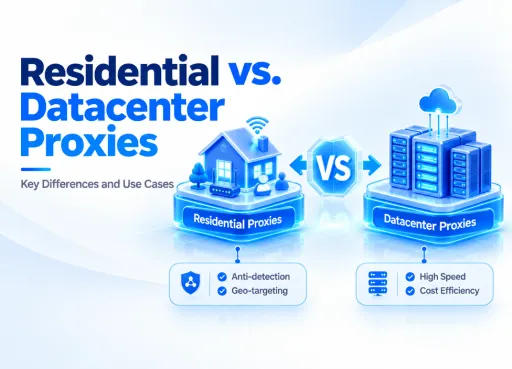
This guide compares residential and datacenter proxies by network origin, location accuracy, performance, session behavior, and cost, helping data teams choose suitable infrastructure and validate it through controlled testing methods.