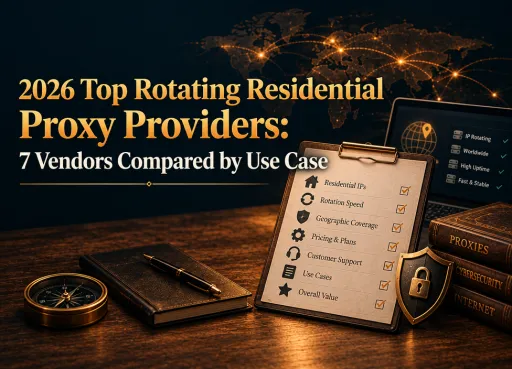
Compare seven rotating residential proxy providers by session control, workload isolation, stability, regional fit, support, and deployment needs to choose the right service for production data collection projects in 2026.
A 14-day success rate benchmark of 10 proxy providers across three real collection targets. What the test measured, how rotating residential, datacenter and ISP pools behaved by mechanism.
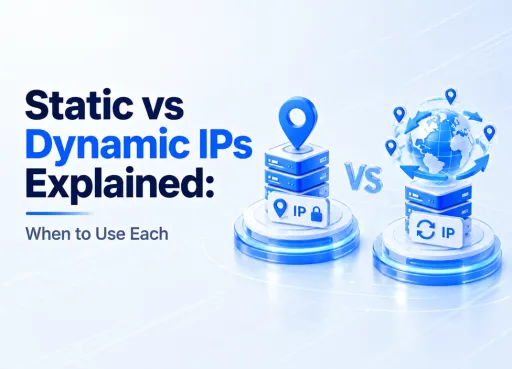
Use a static IP when a service needs to recognize the same source address over time, especially for IP allowlisting. Use dynamic IPs when requests can be handled independently across different addresses.
Choosing a proxy for LLM training data scraping shouldn't be based on IP pool size alone. This piece compares 7 providers across four dimensions — performance, bandwidth, nodes, and cost value.
Proxy quality should be evaluated against real workloads rather than headline pool size. Test them under controlled conditions, segment the results by target and region, and prioritize the failures that directly affect business output.